

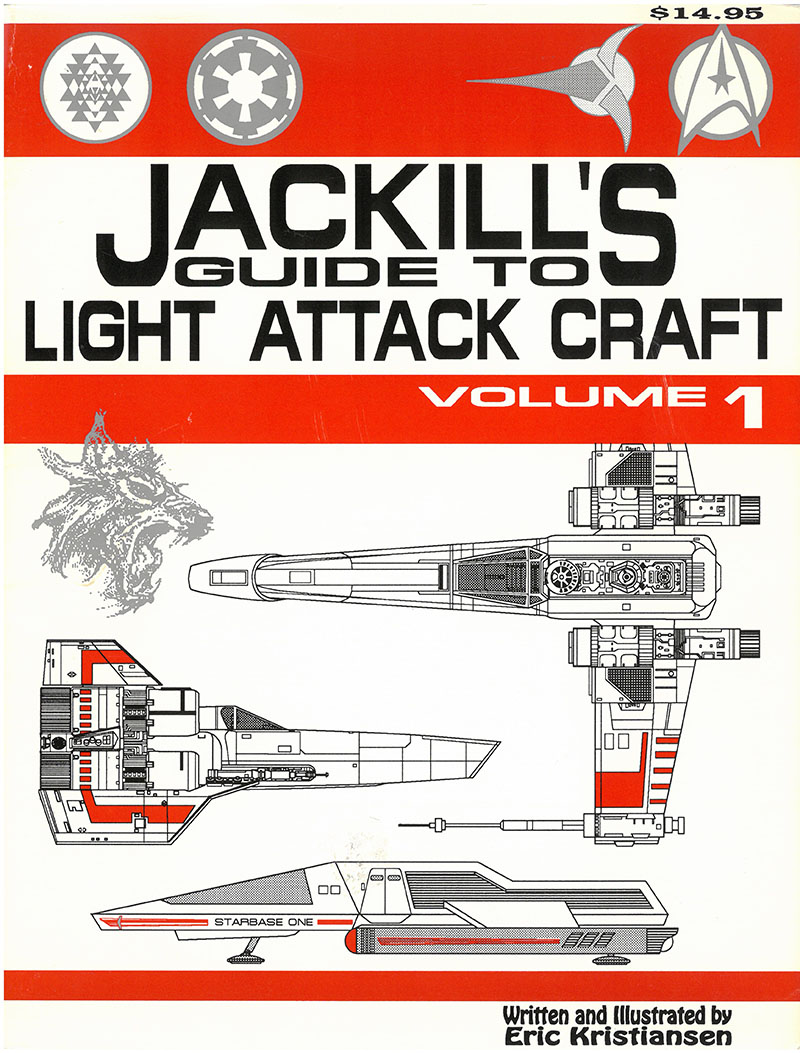
Jackill's Guide to Light Attack Craft
Volume I
Volume I
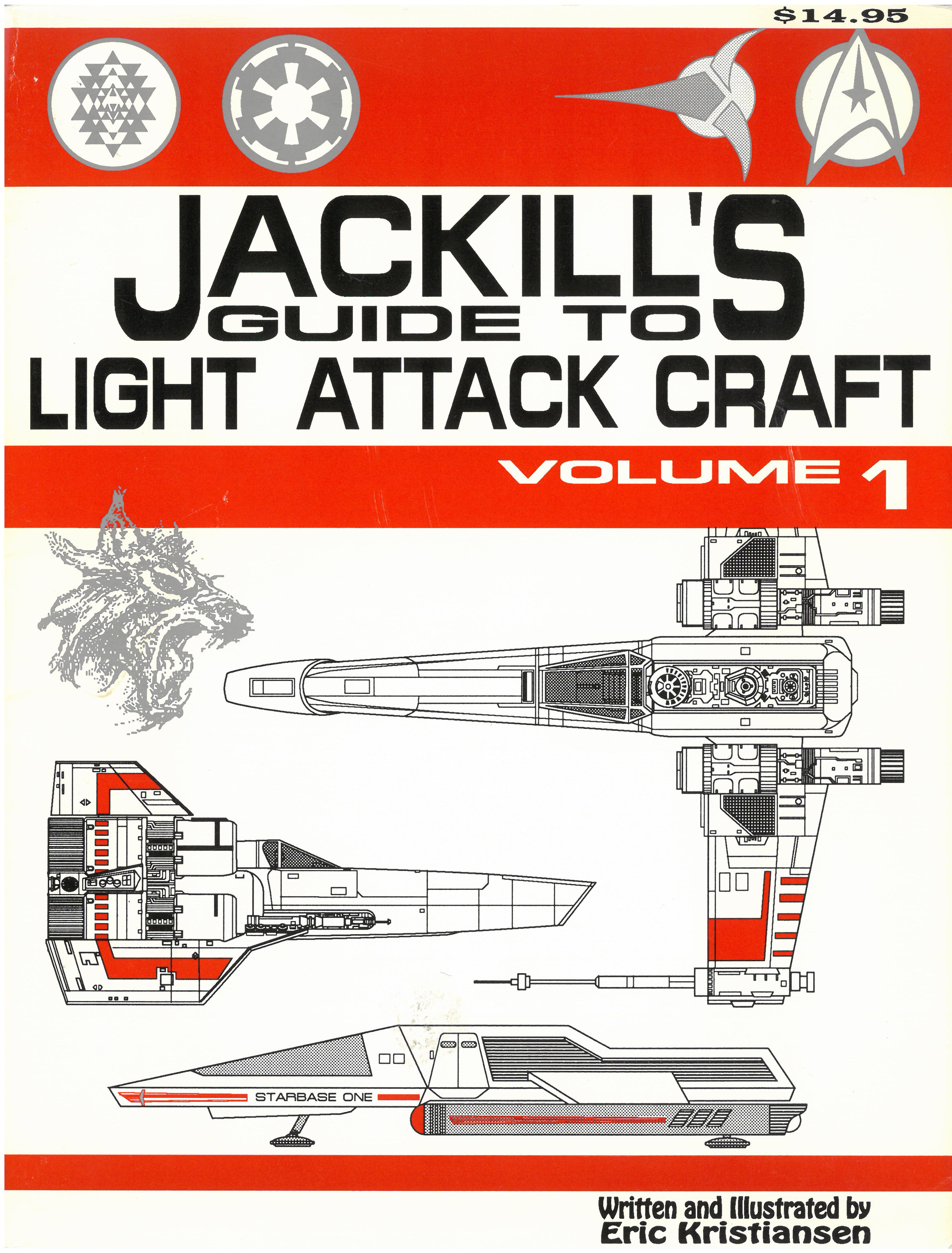
Illustrator: Eric Kristiansen
Copyright: 1991
Summary:
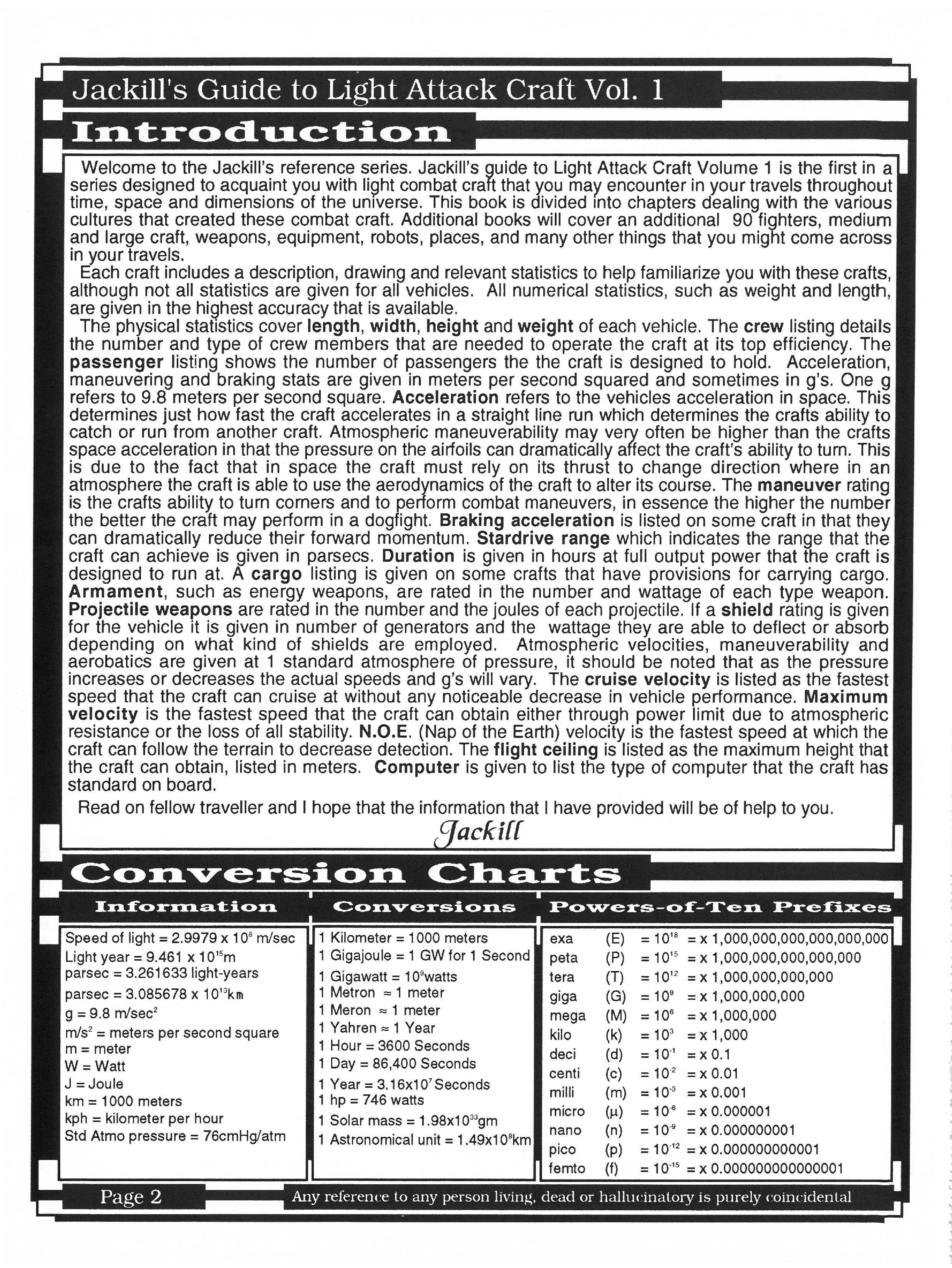
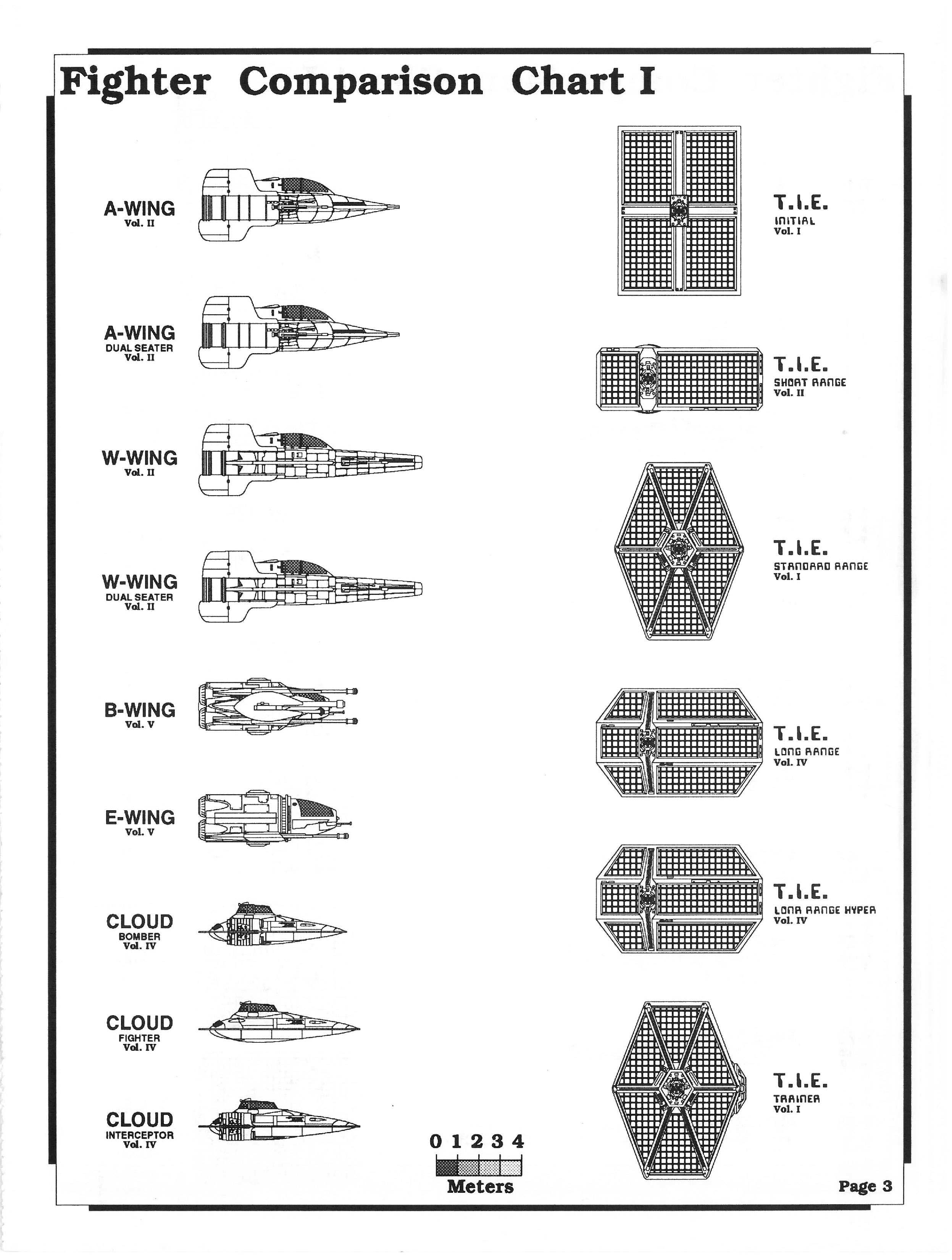
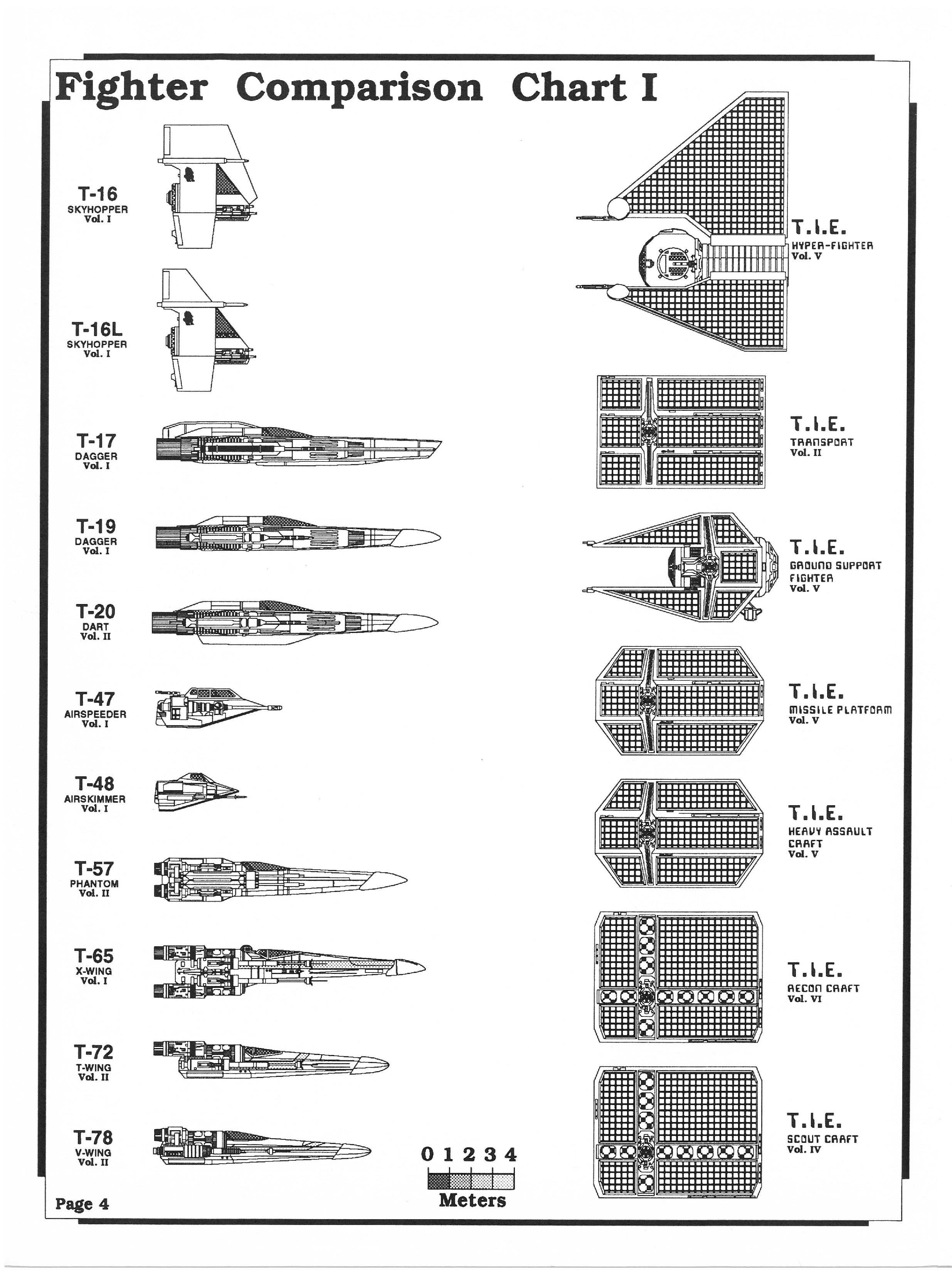
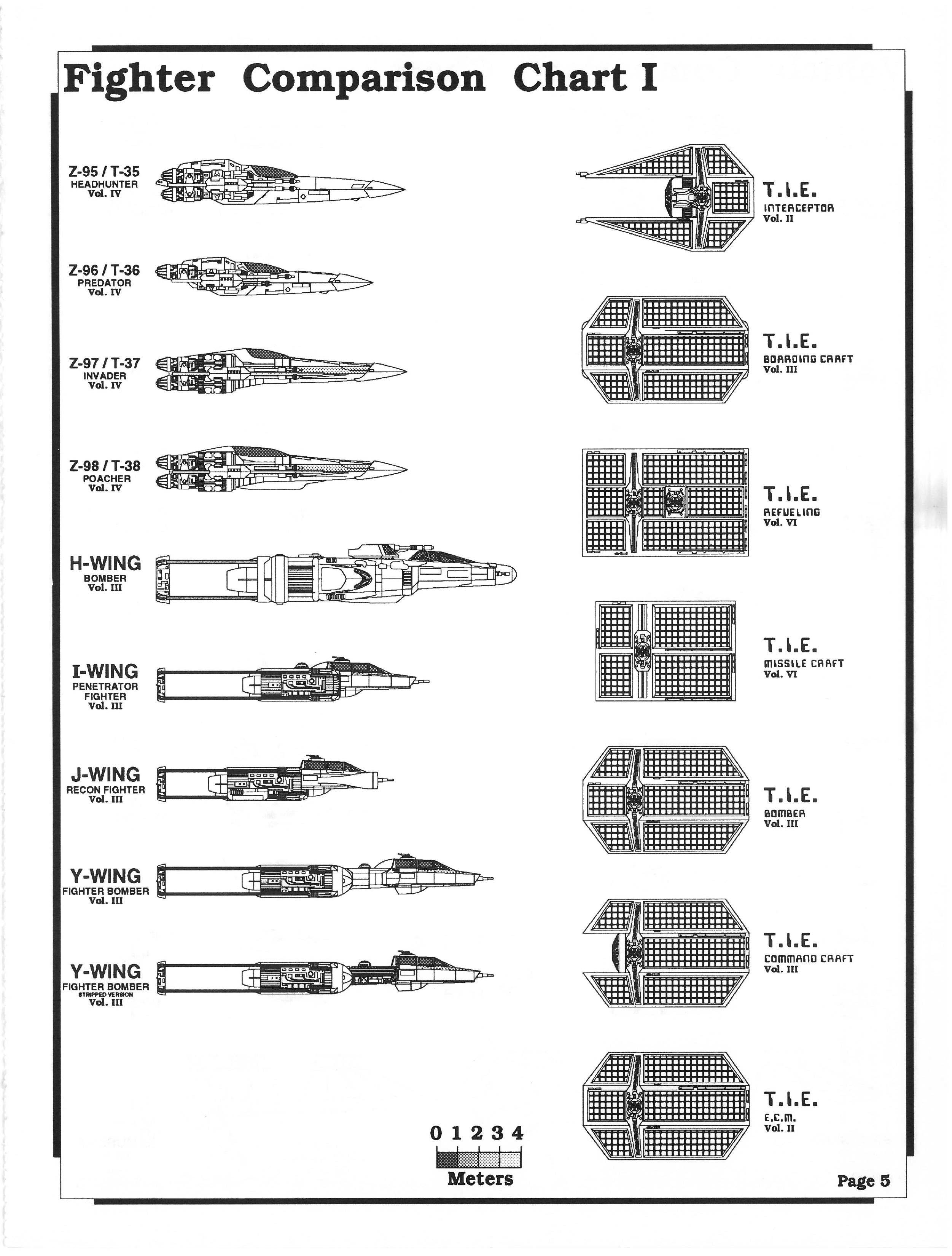
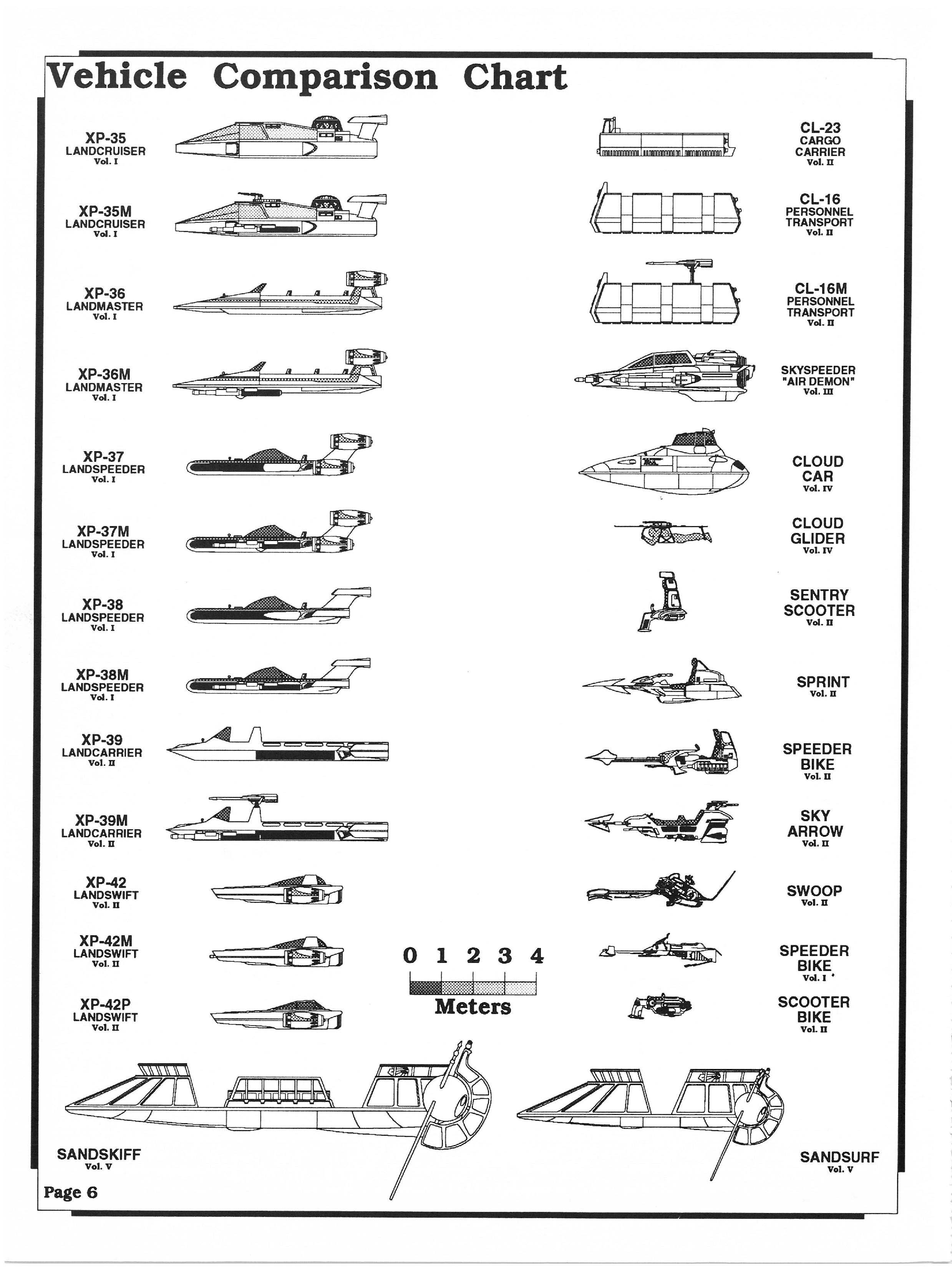
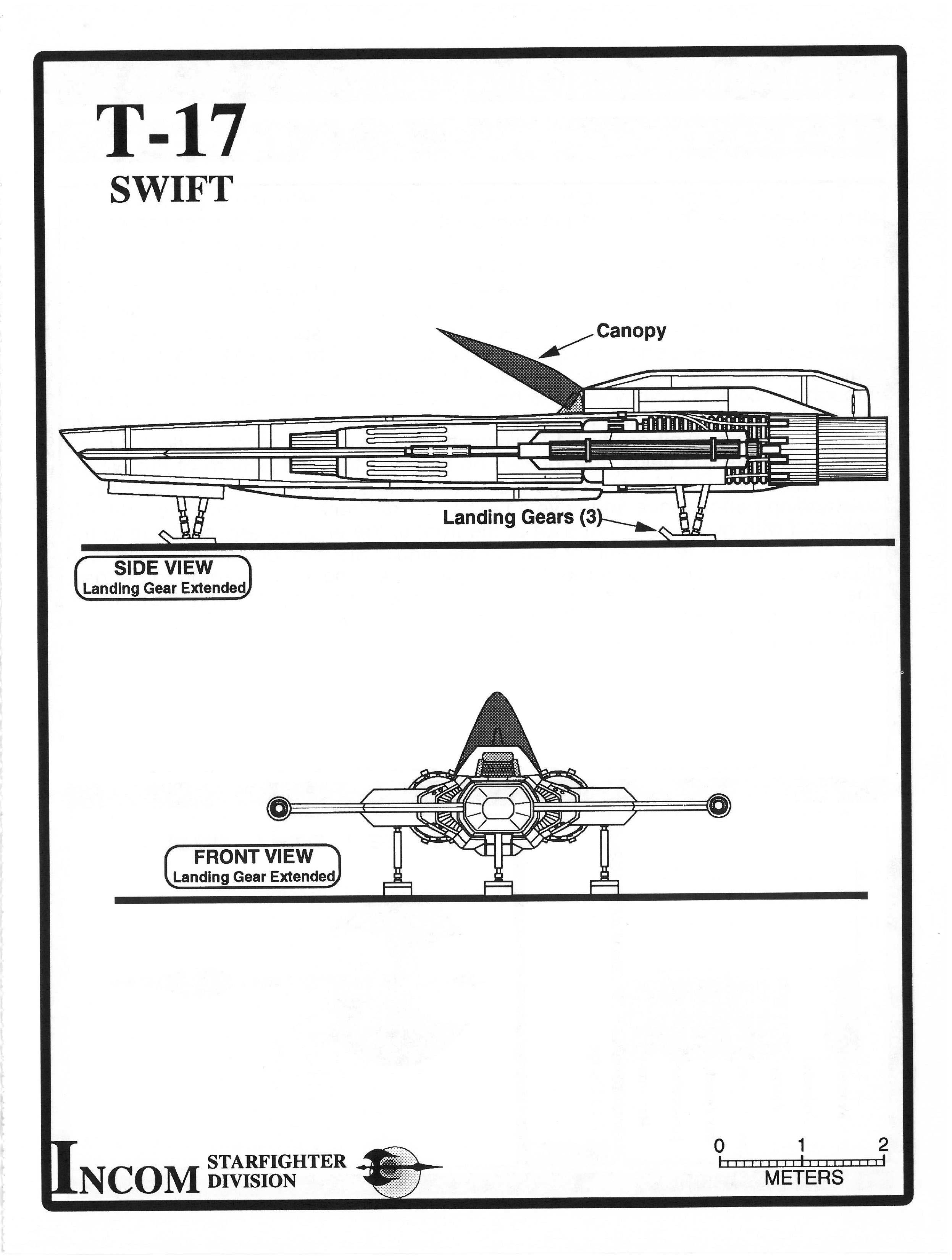
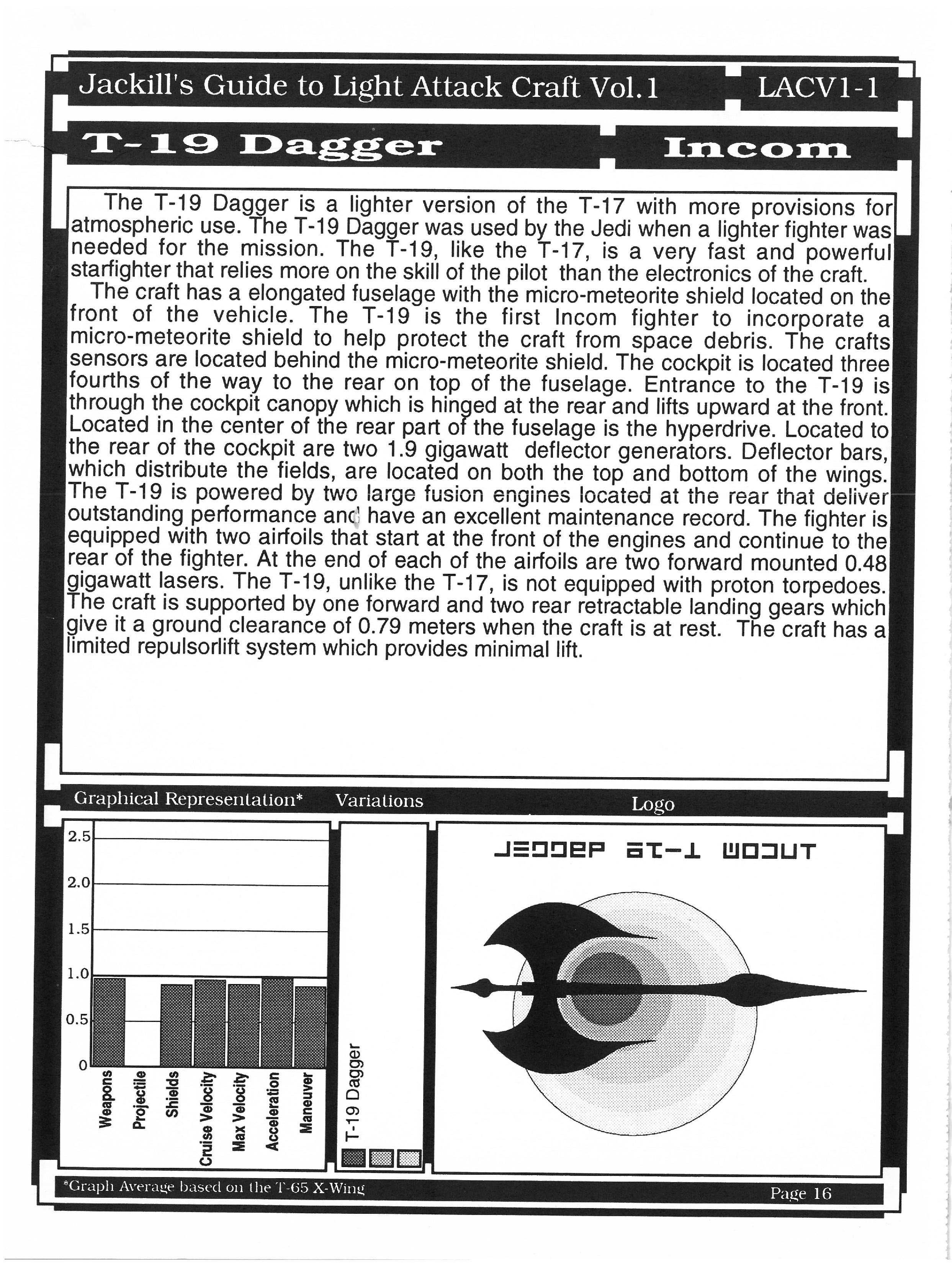
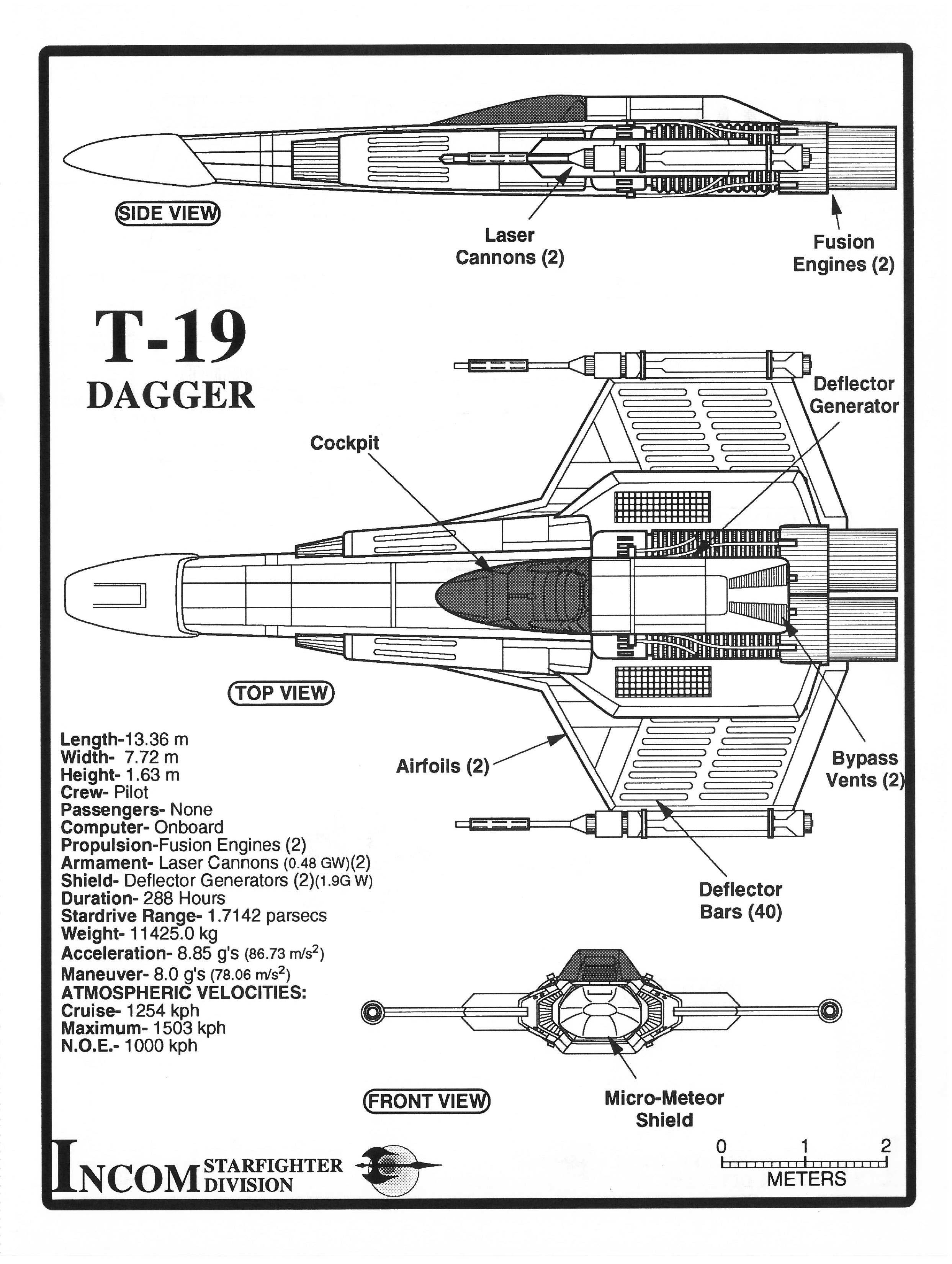
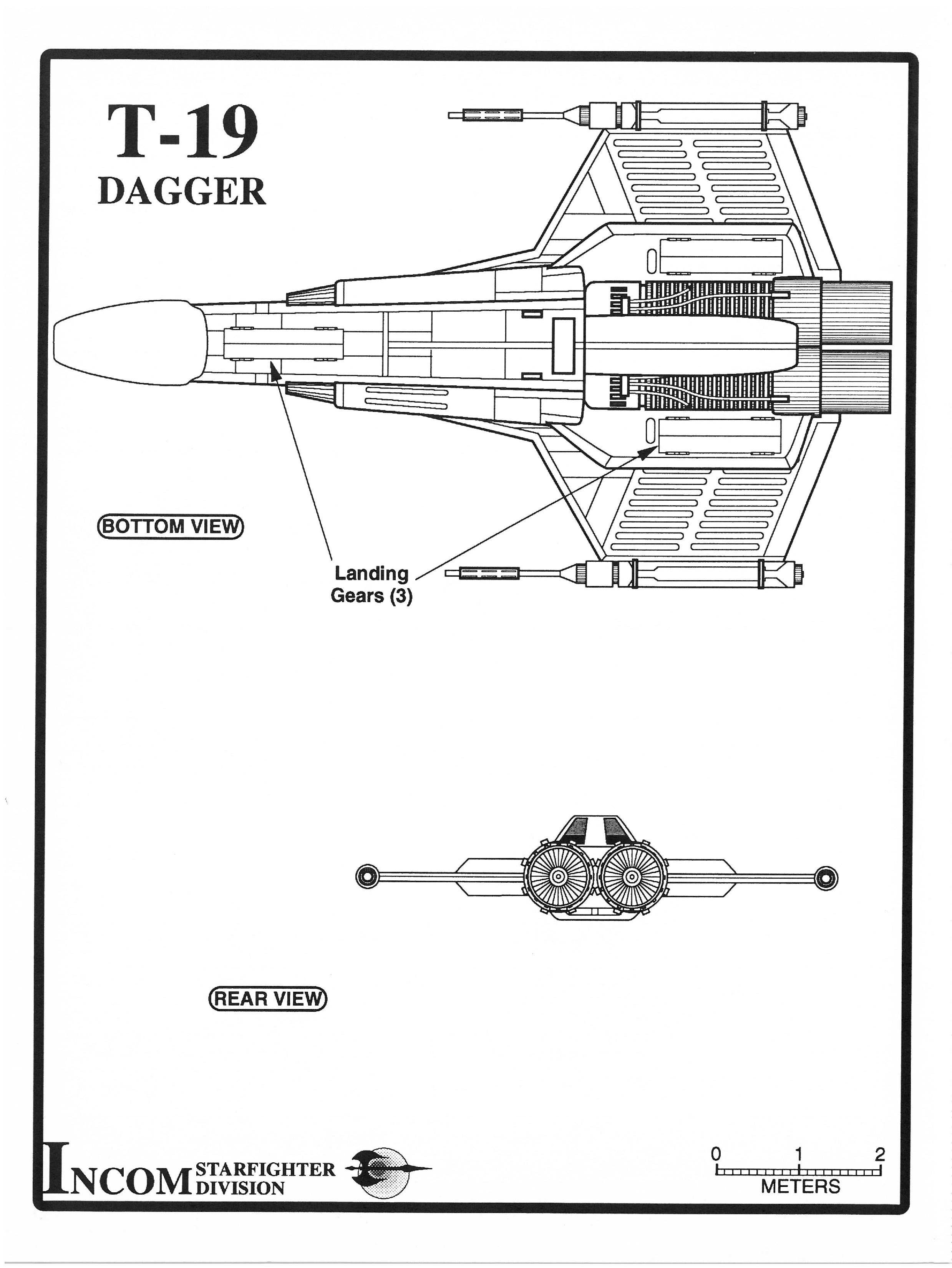
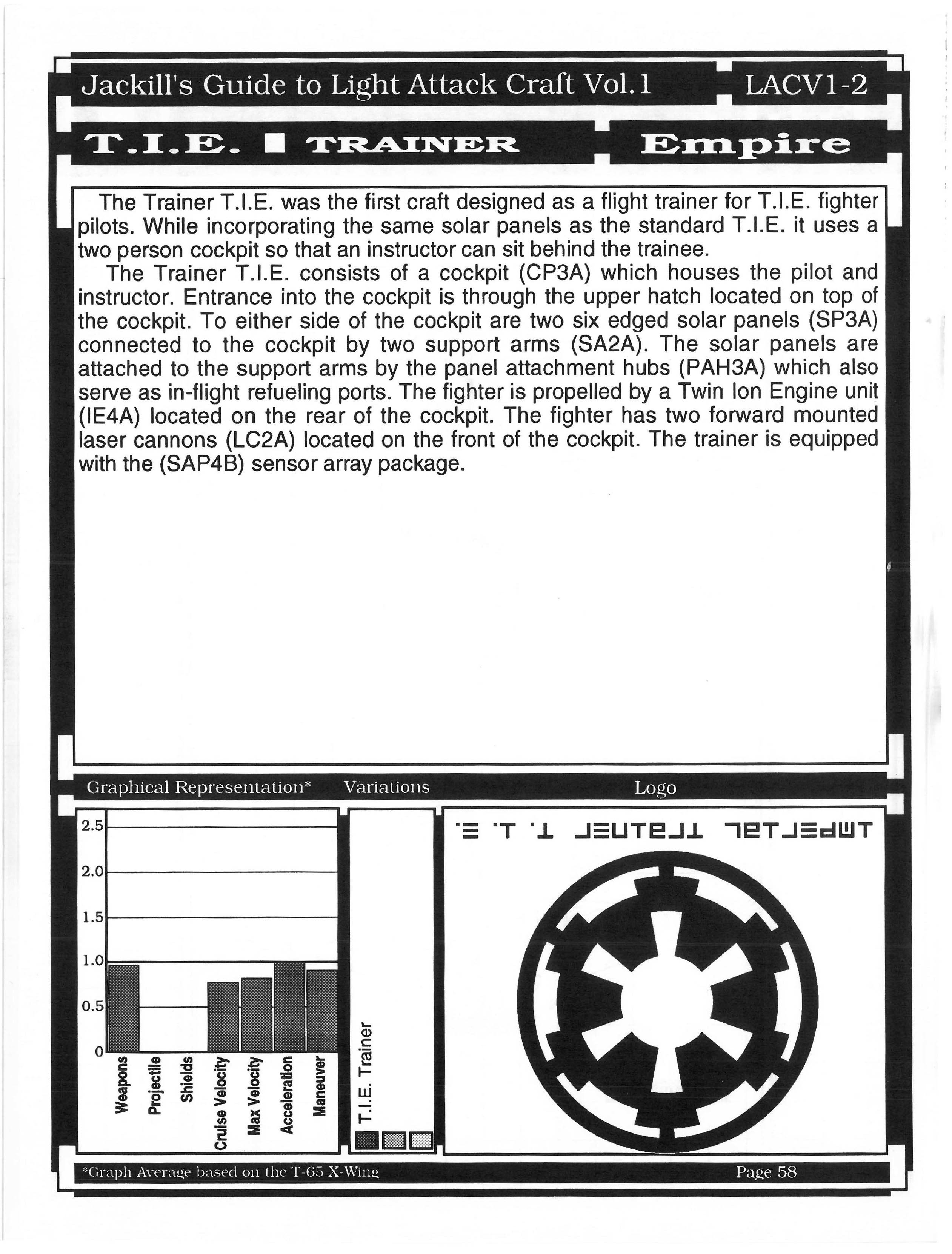
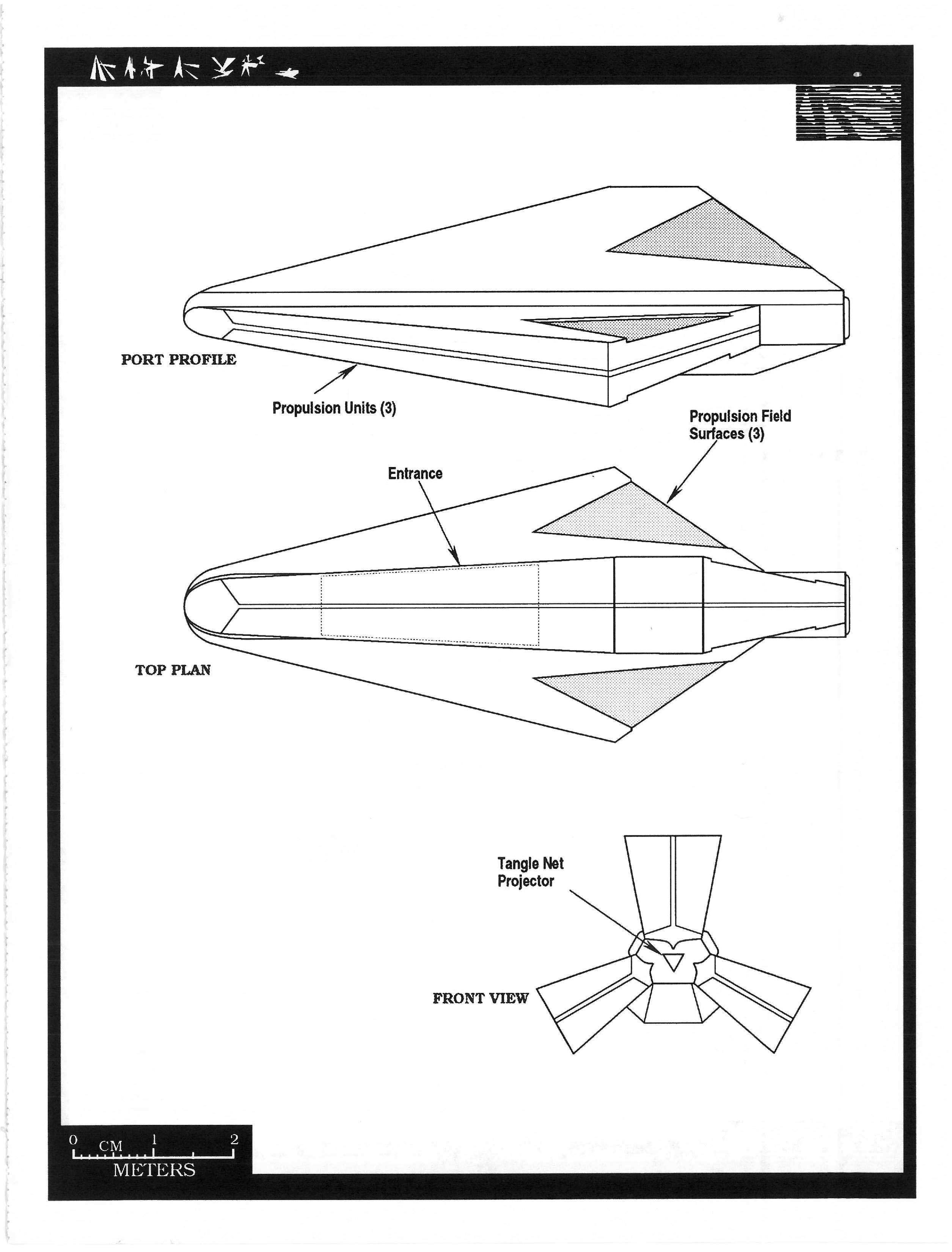
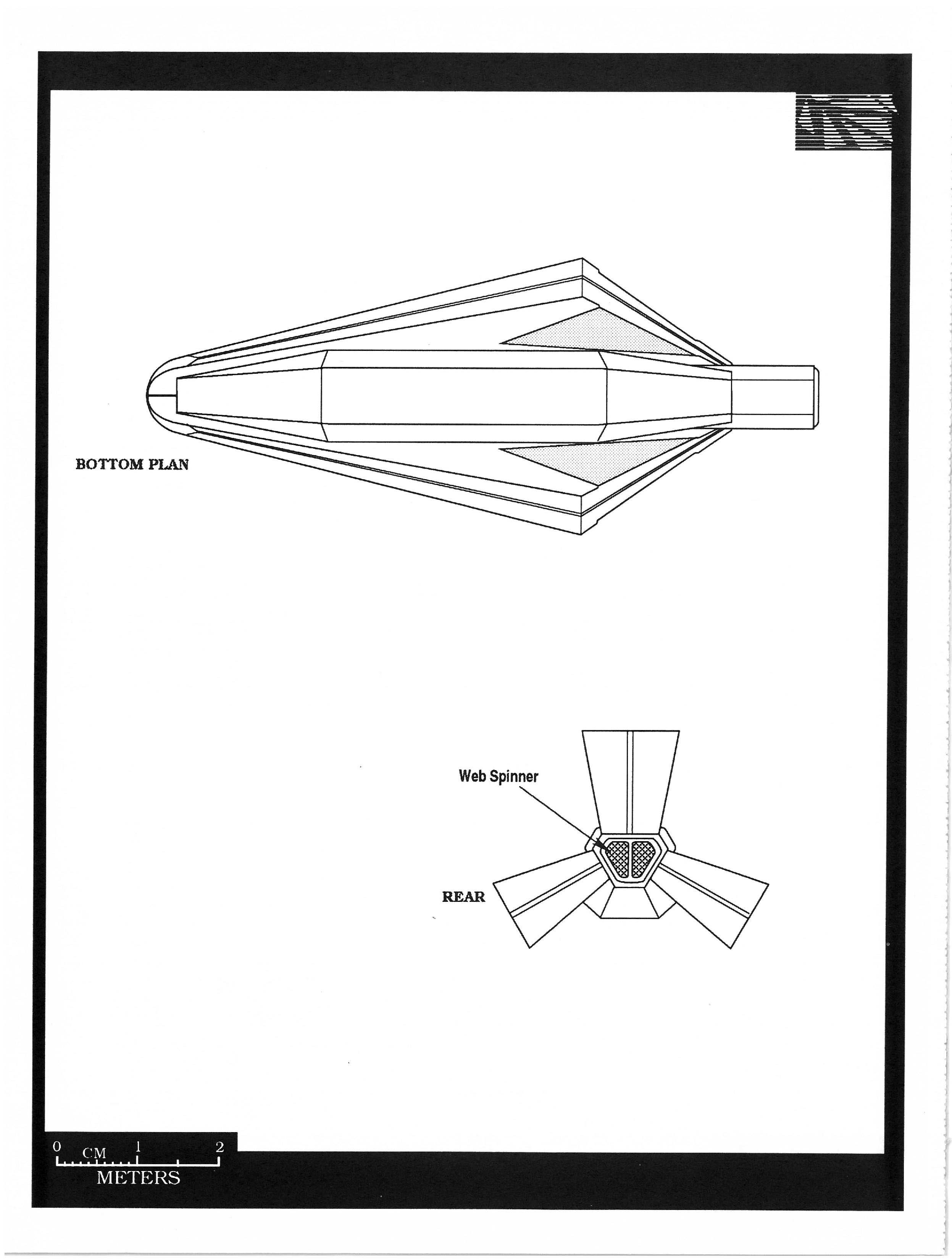
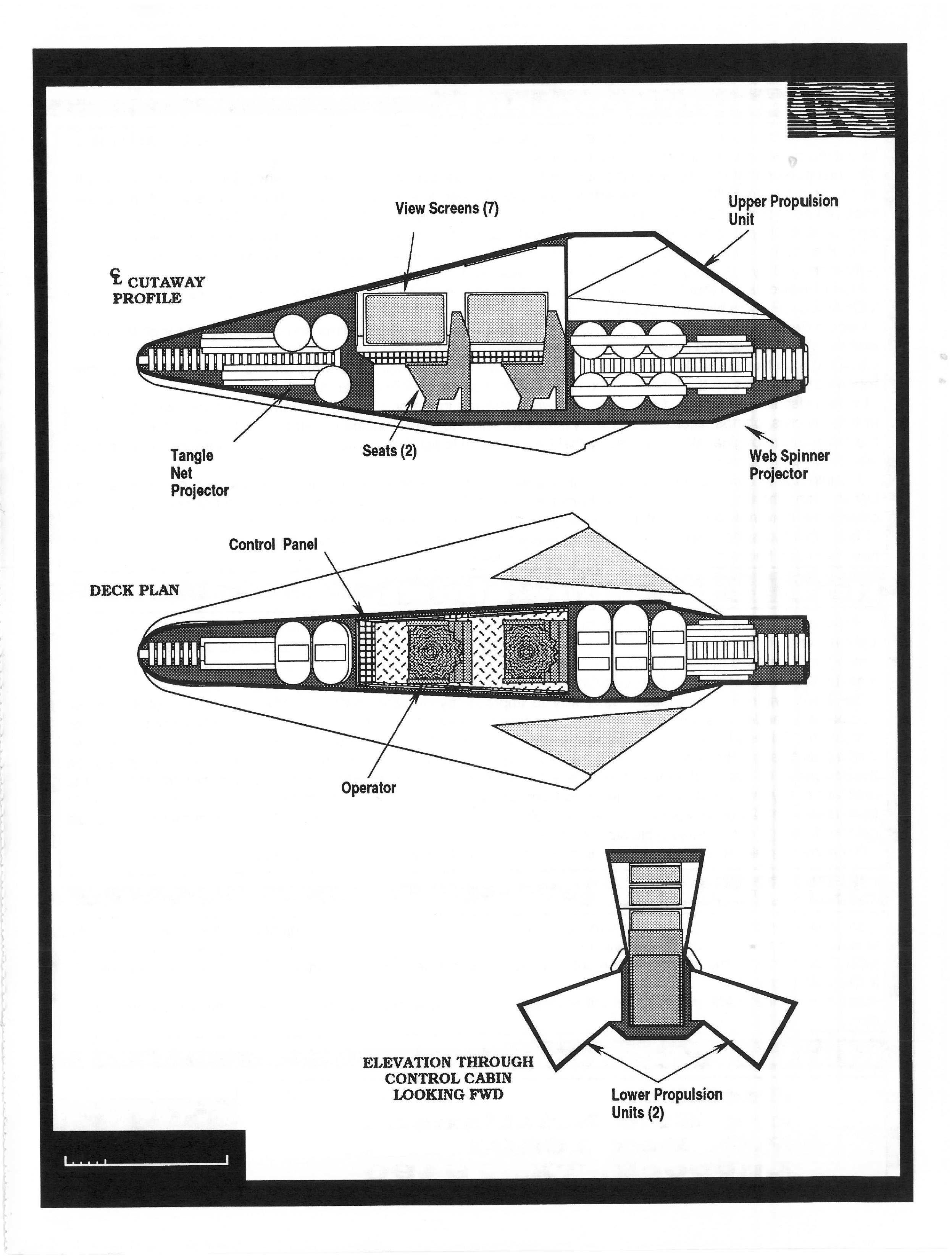
Welcome to the Jackill's reference series. Jackill's guide to Light Attack Craft Volume 1 is the first in a series designed to acquaint you with light combat craft that you may encounter in your travels throughout time, space and dimensions of the universe. This book is divided into chapters dealing with the various cultures that created these combat craft. Additional books will cover an additional 90 fighters, medium and large craft, weapons, equipment, robots, places, and many other things that you might come across in your travels.
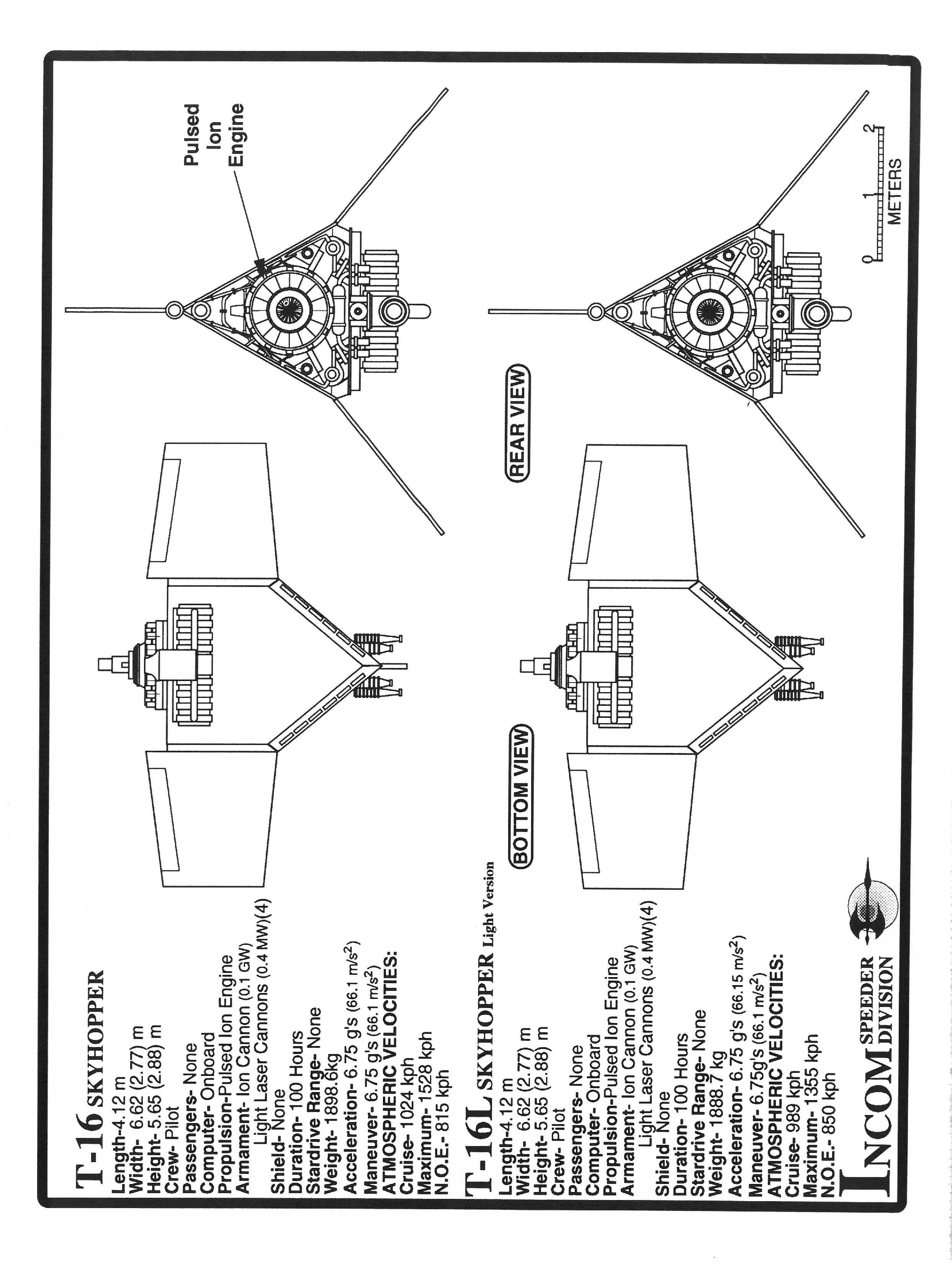
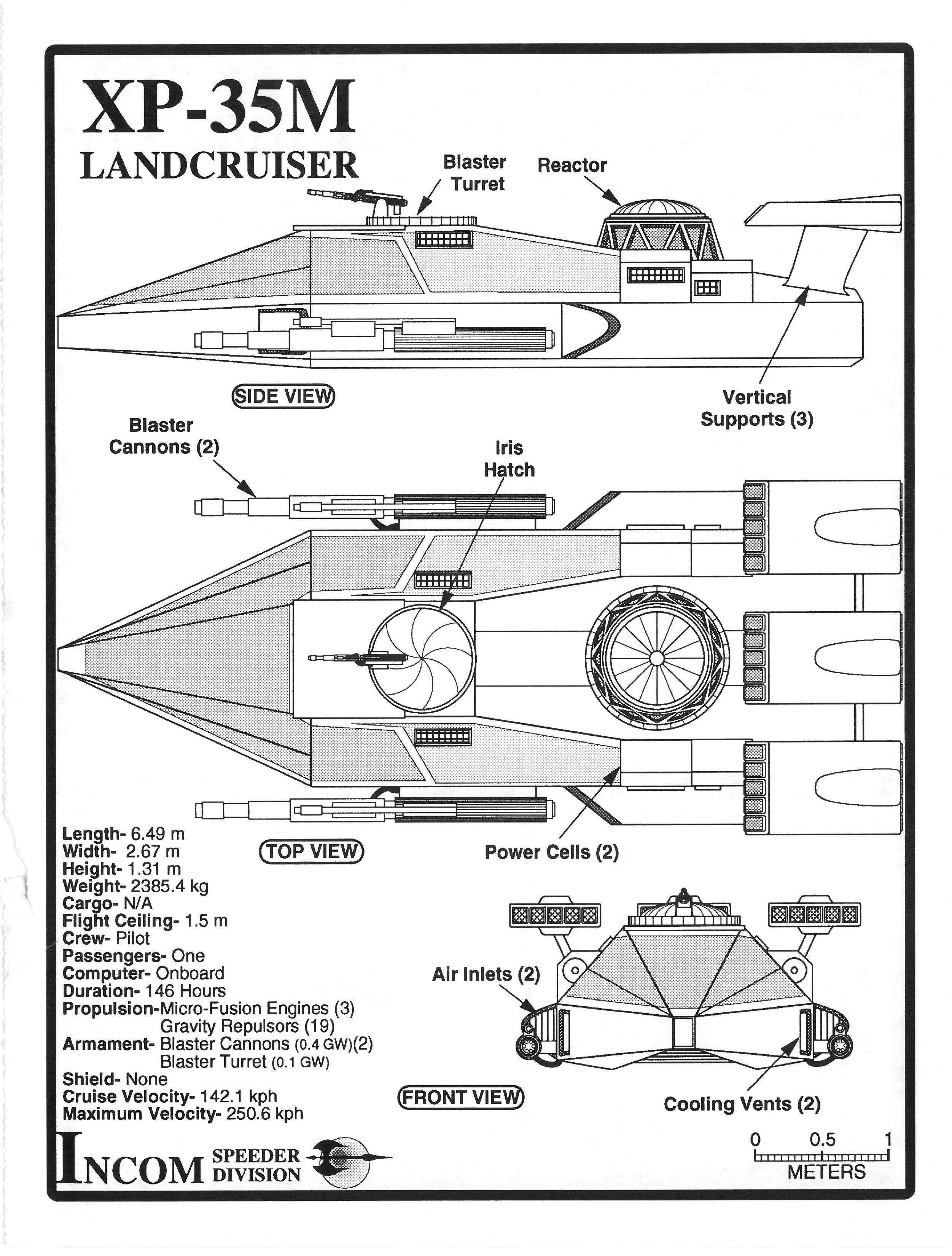
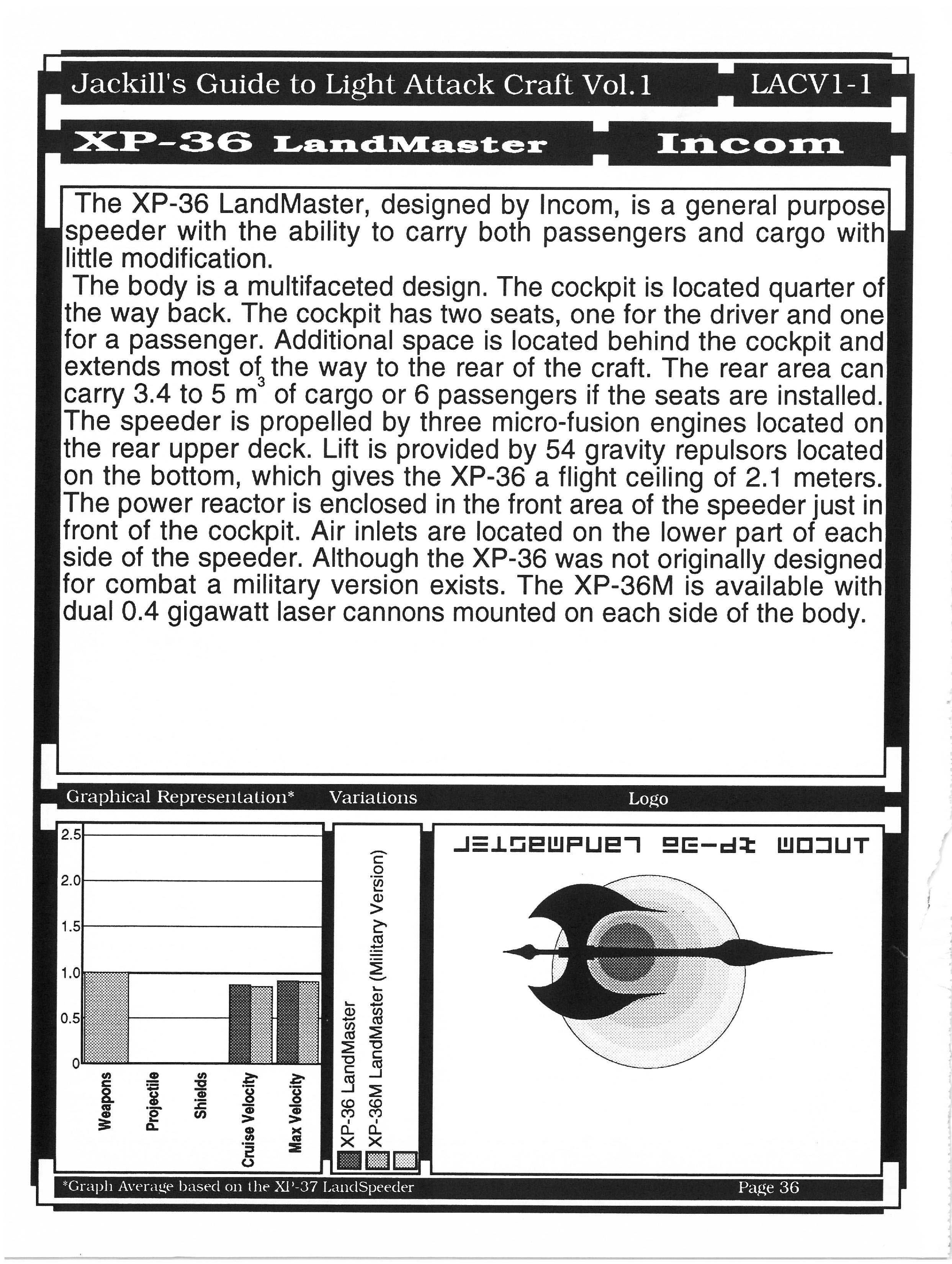
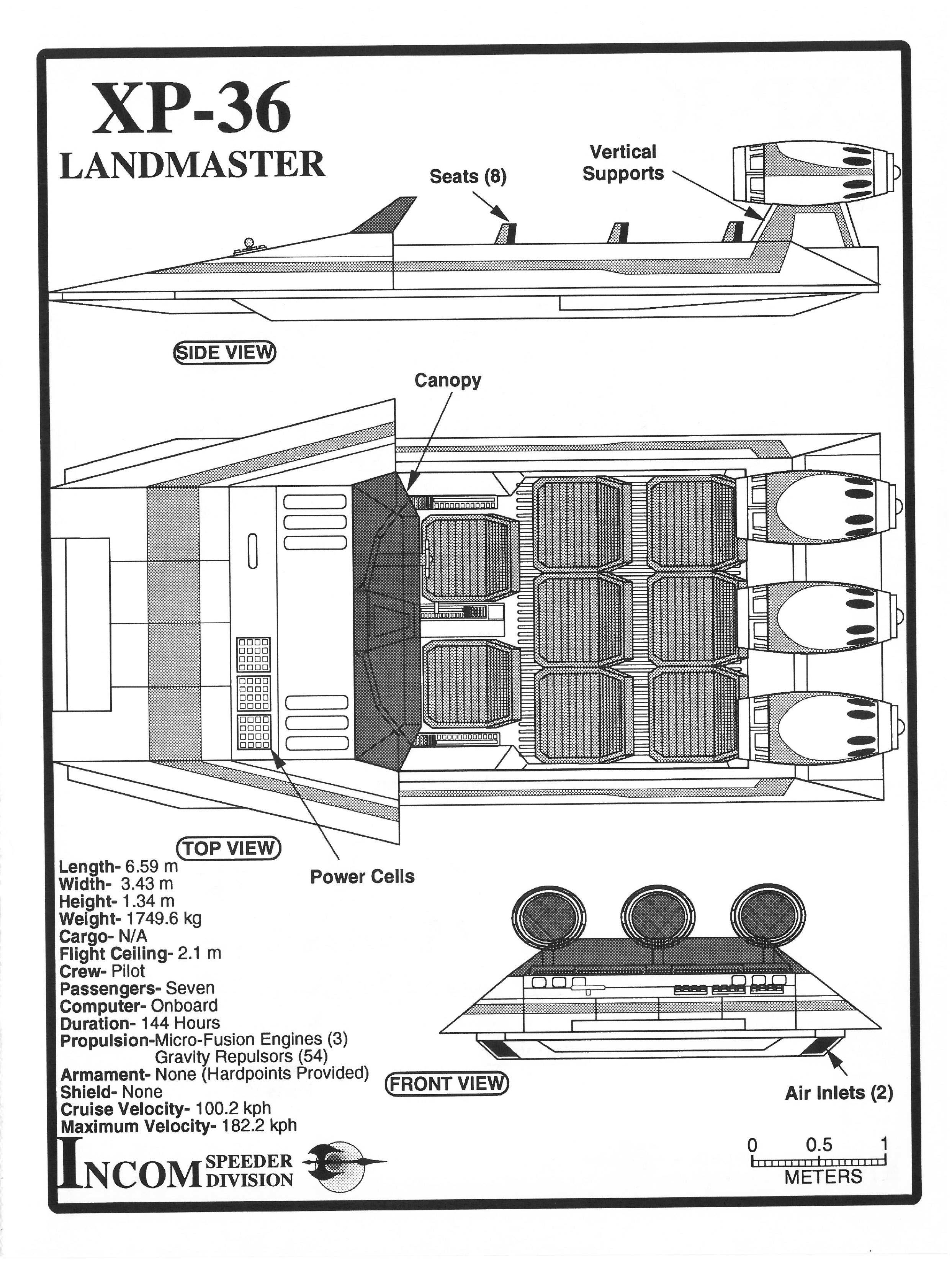
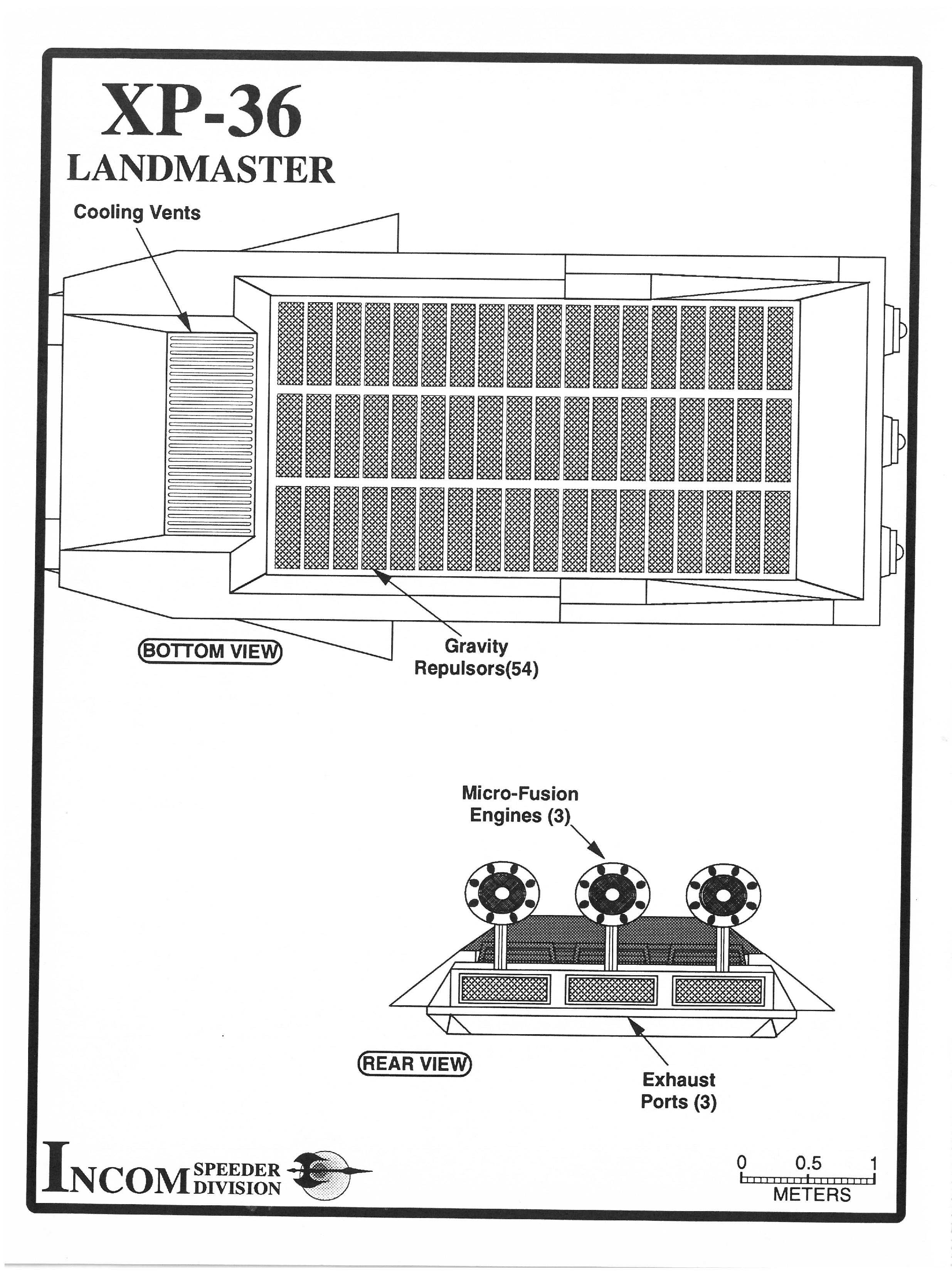
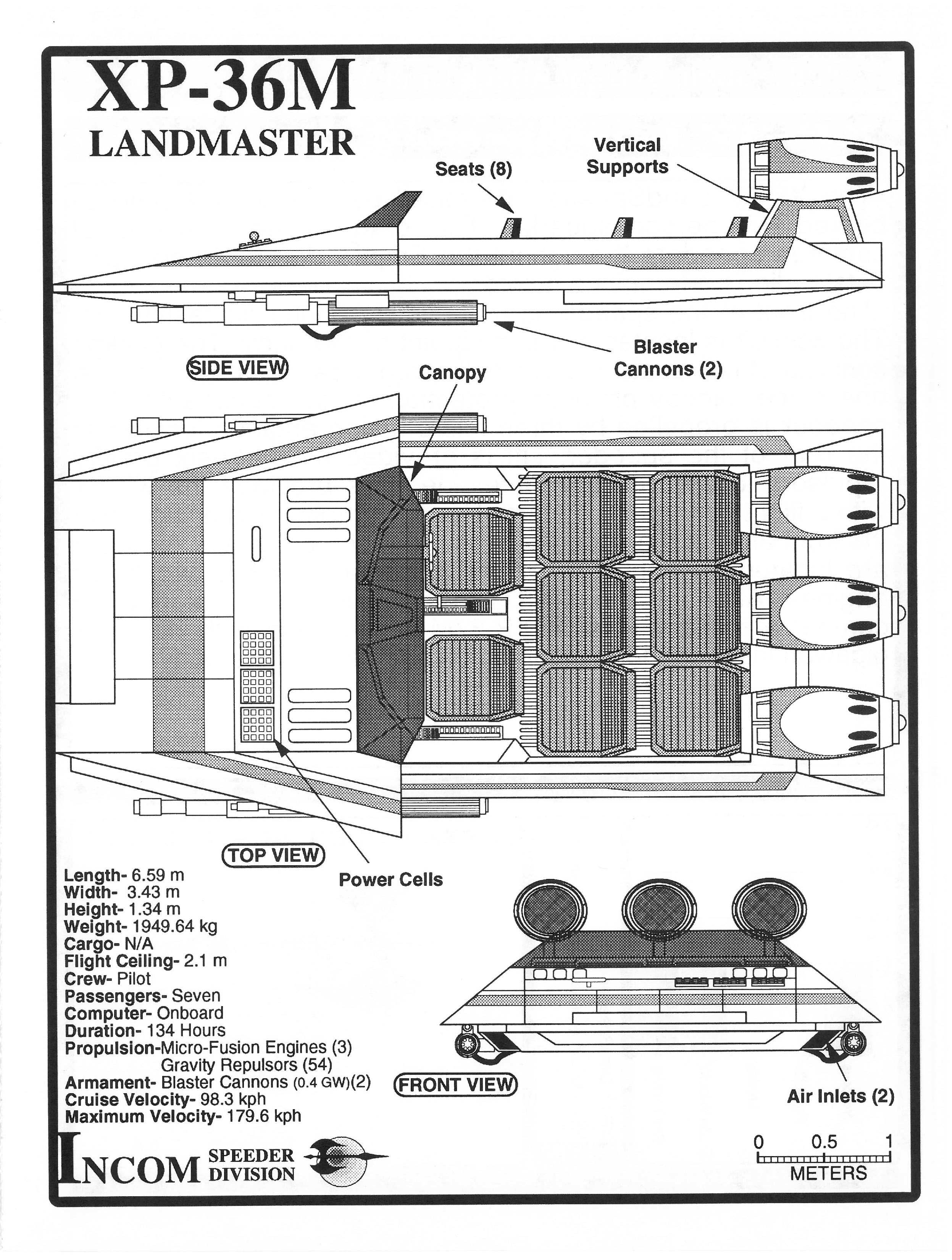
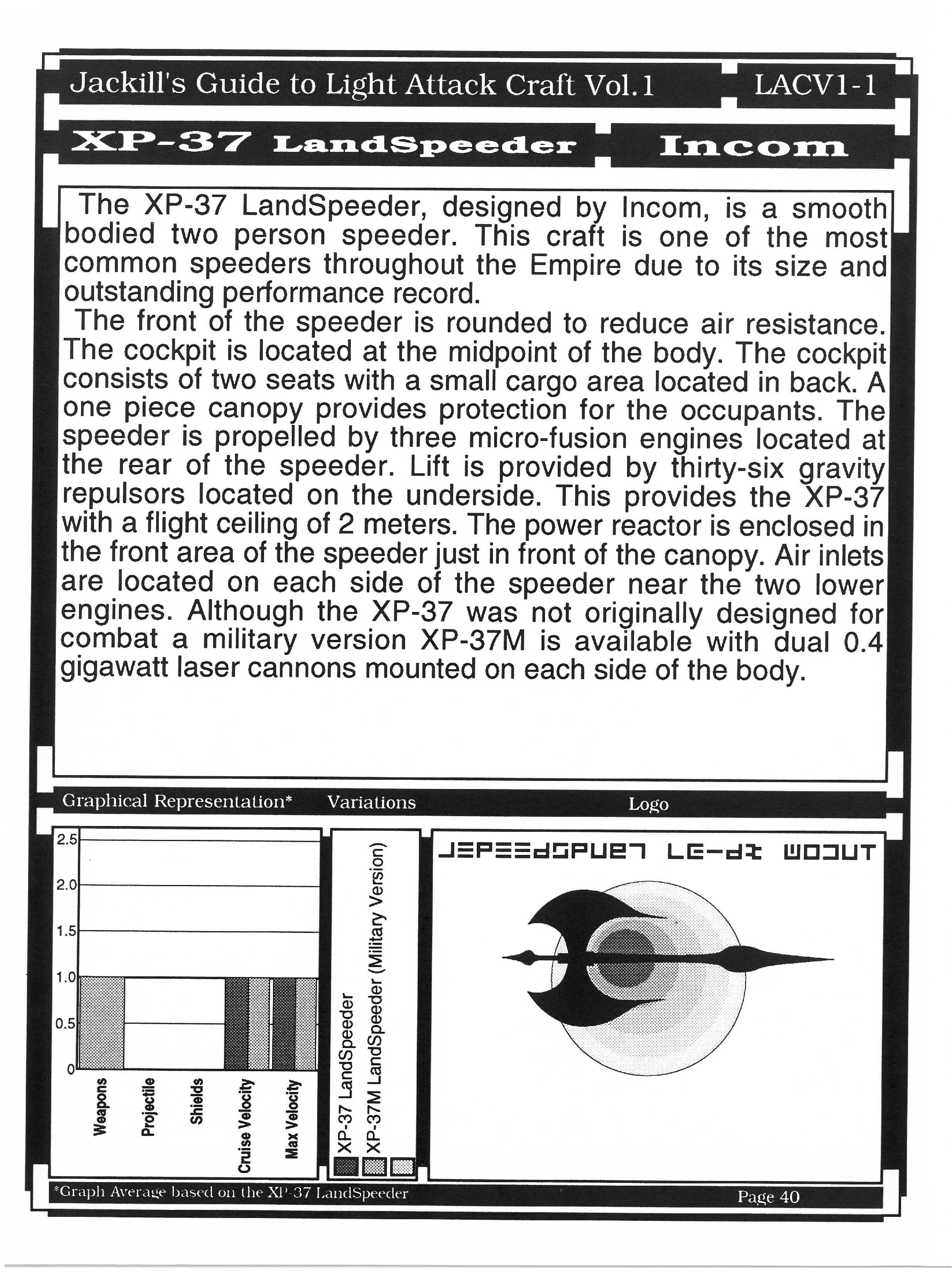
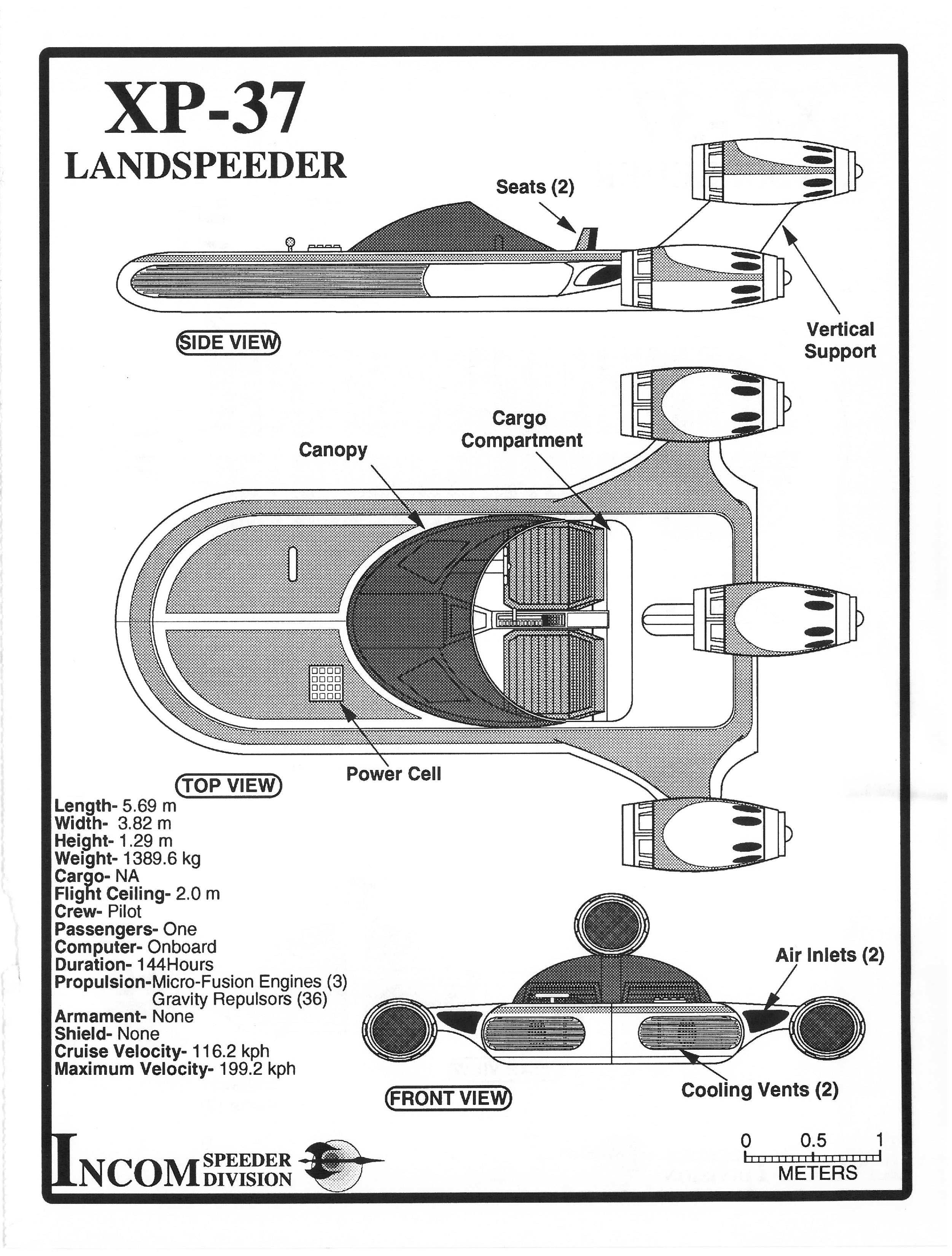
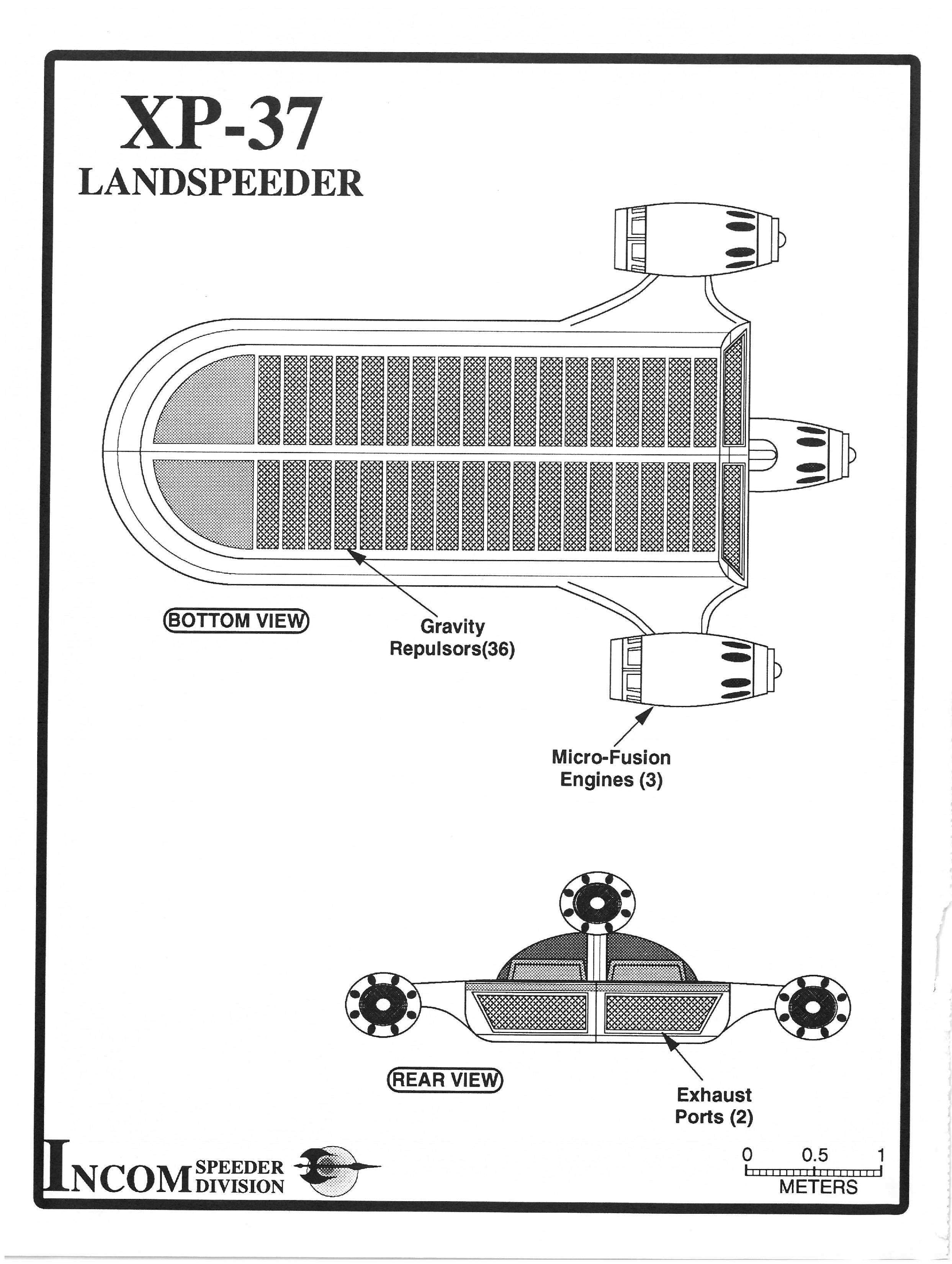
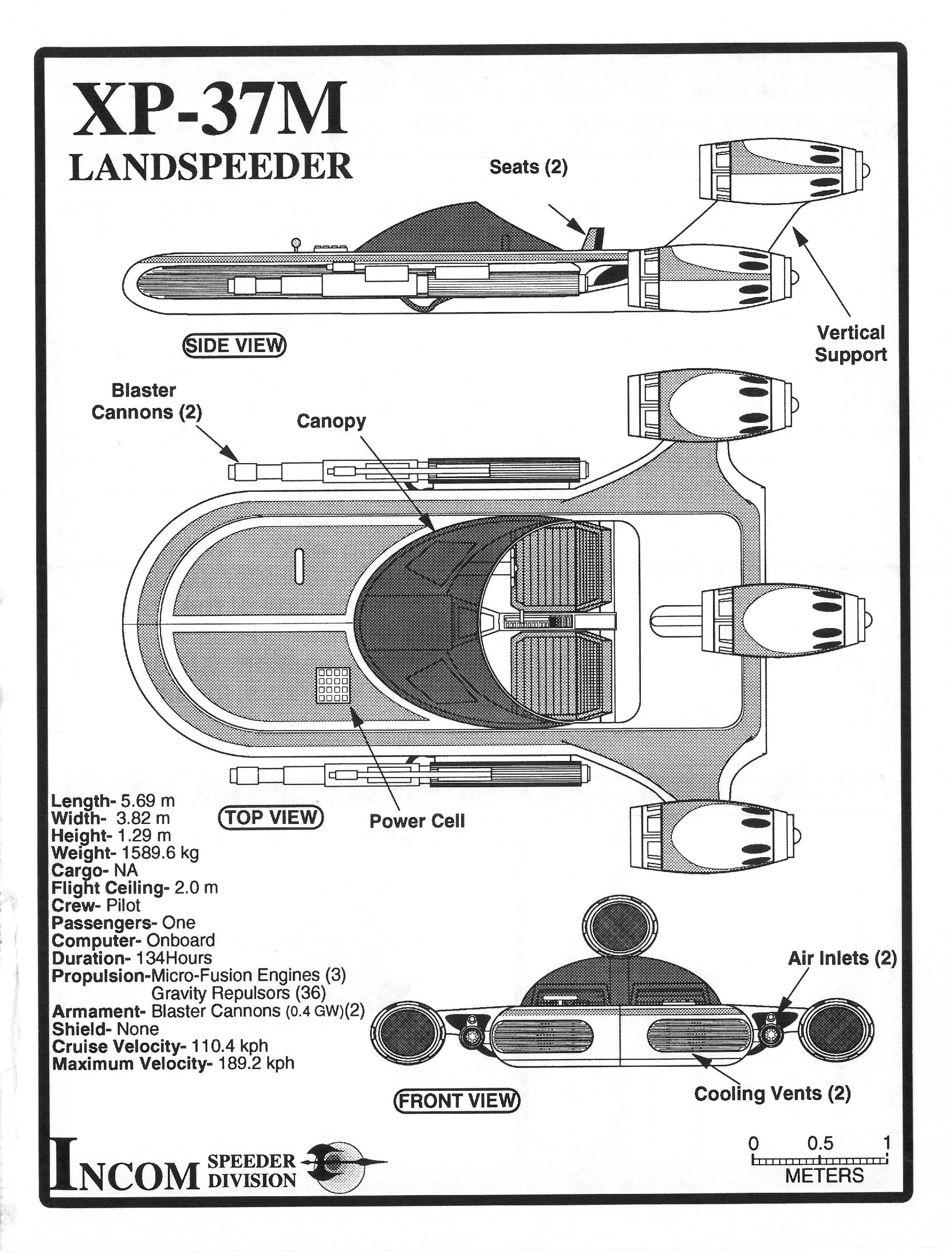
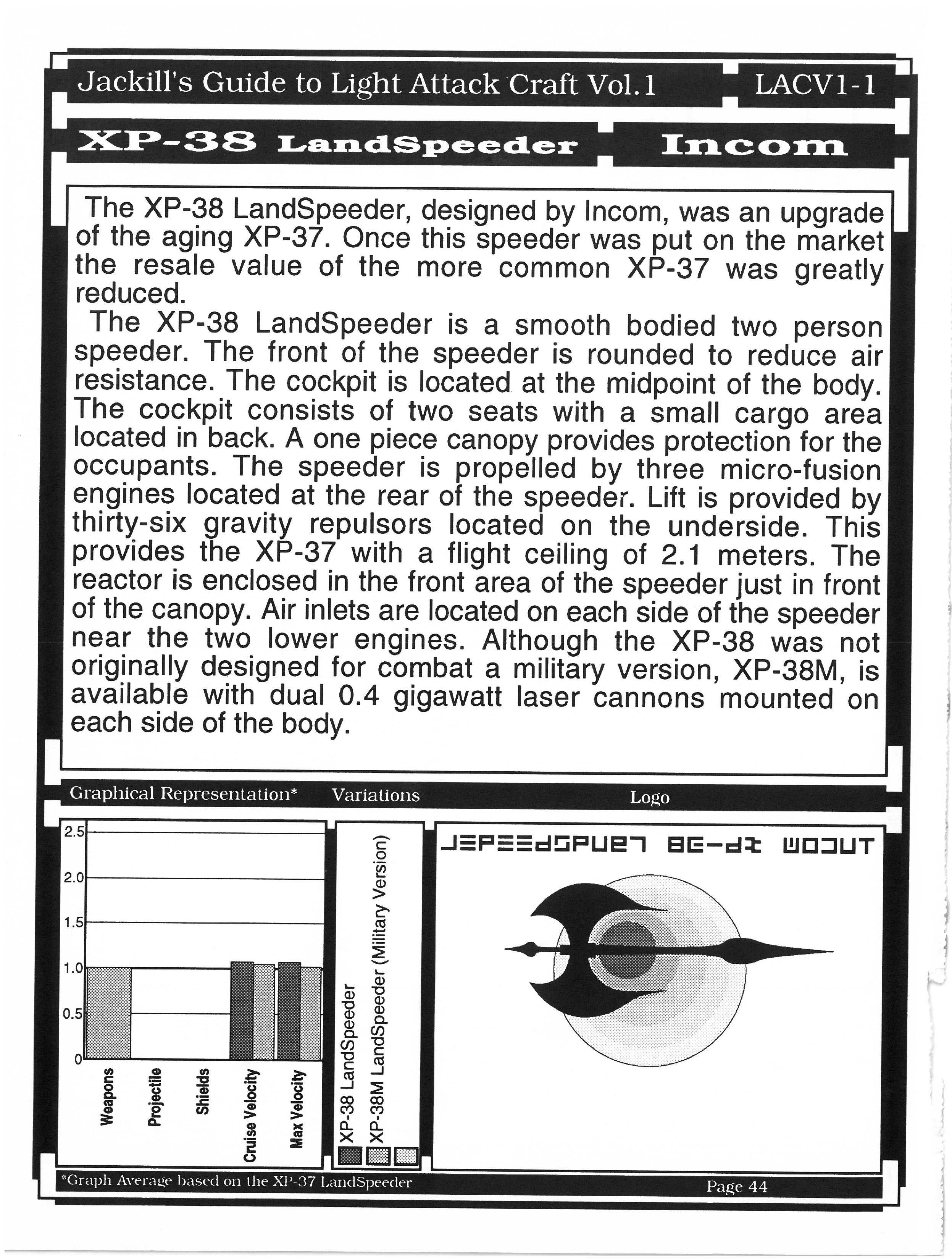
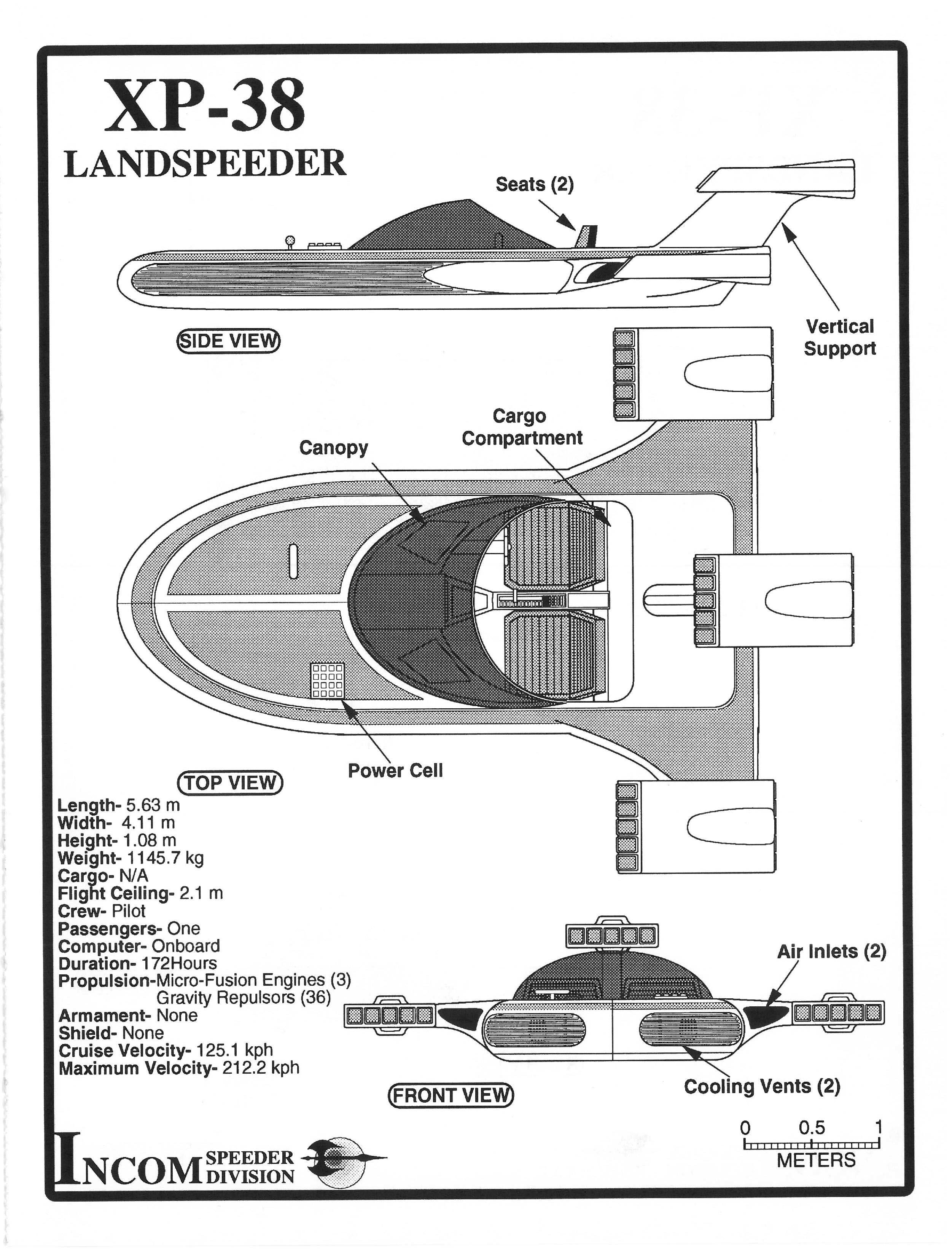
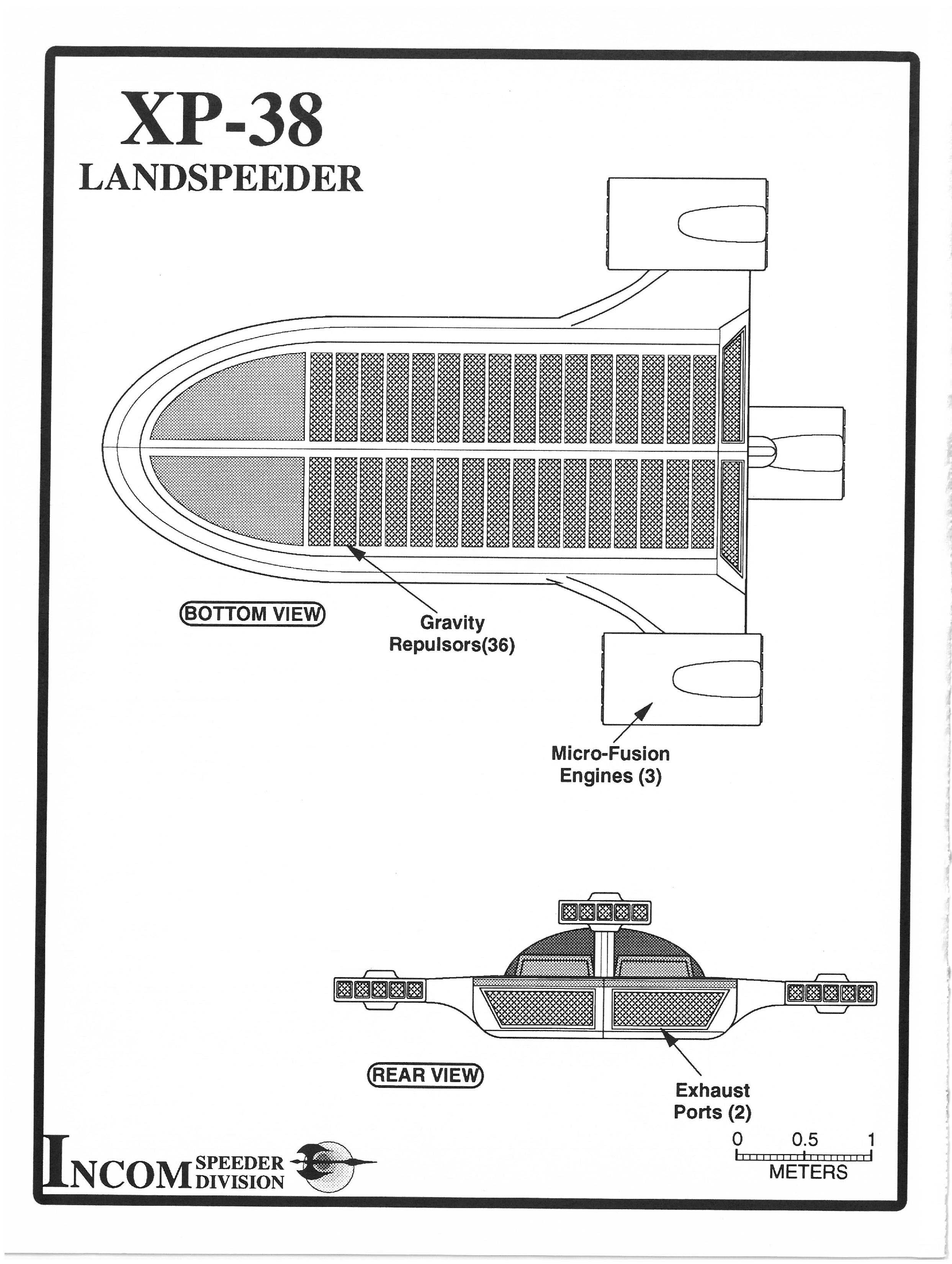
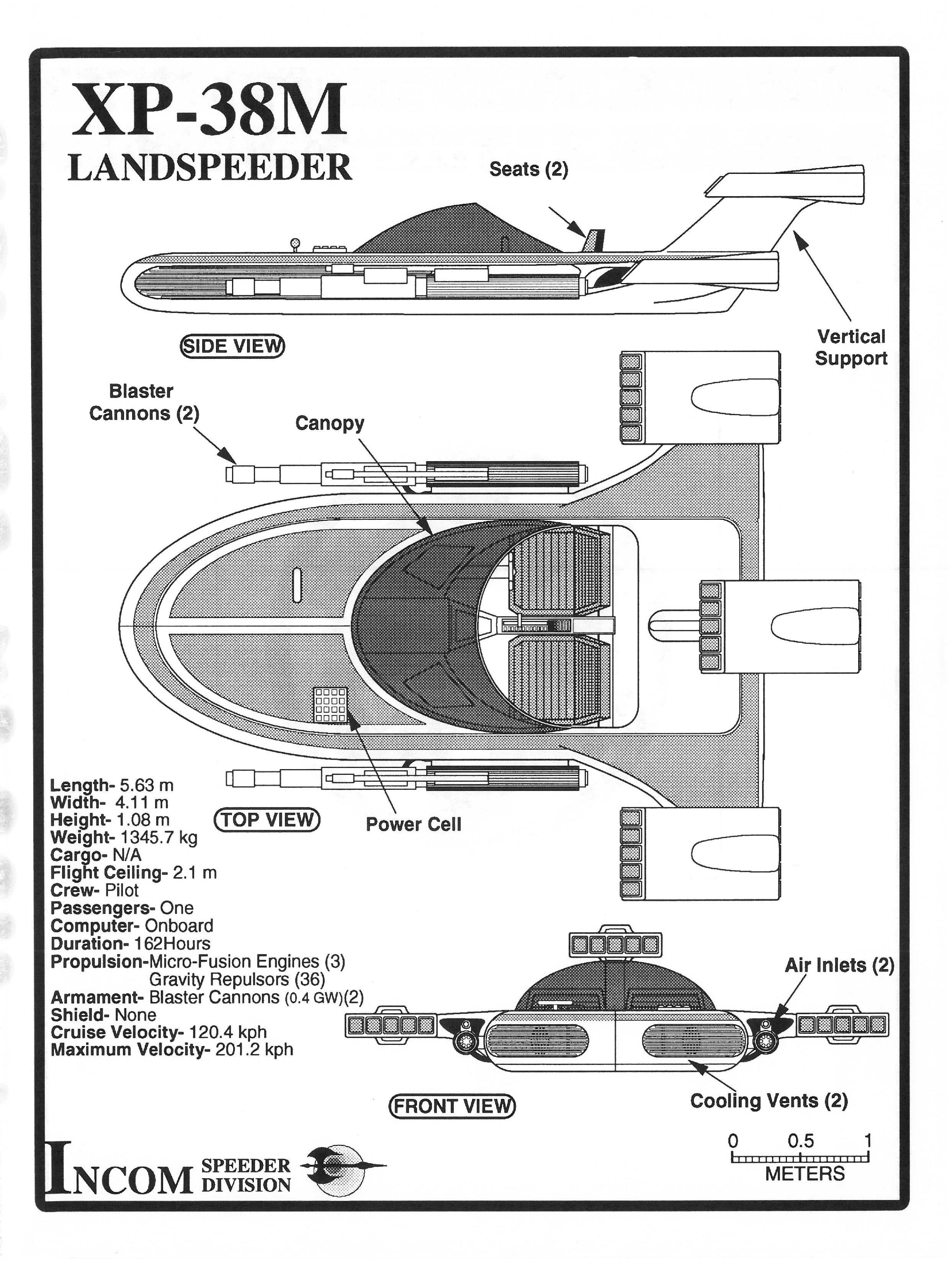
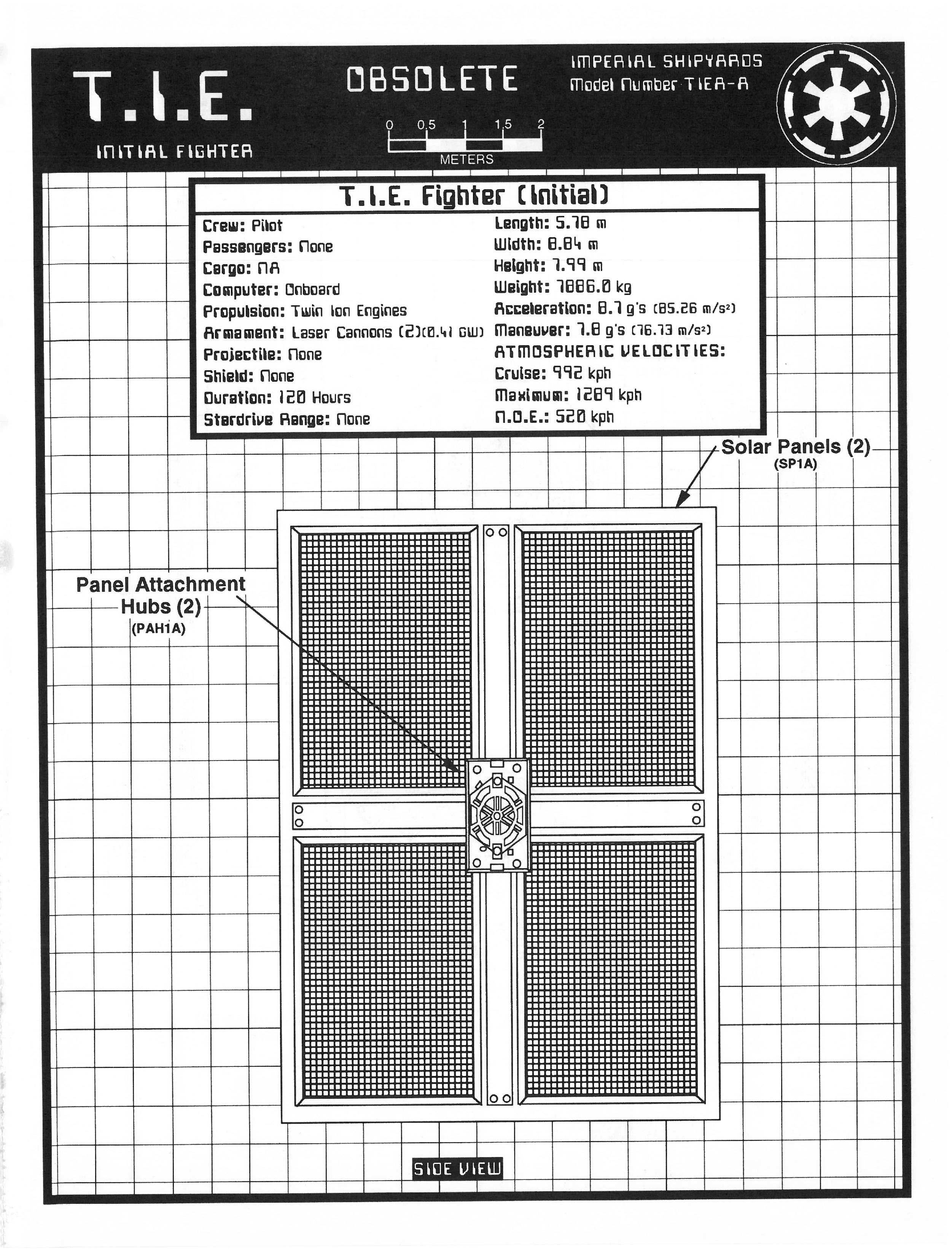
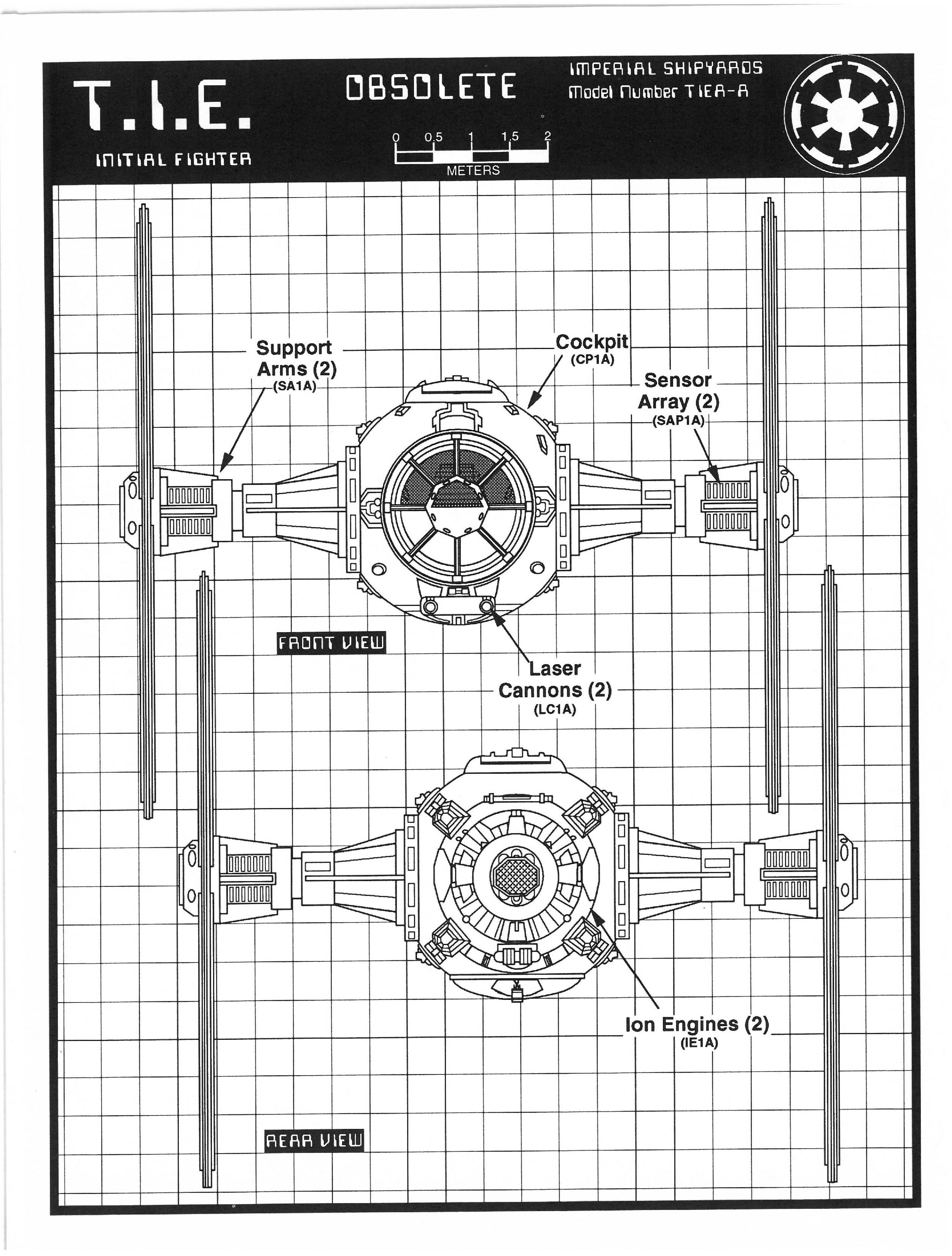
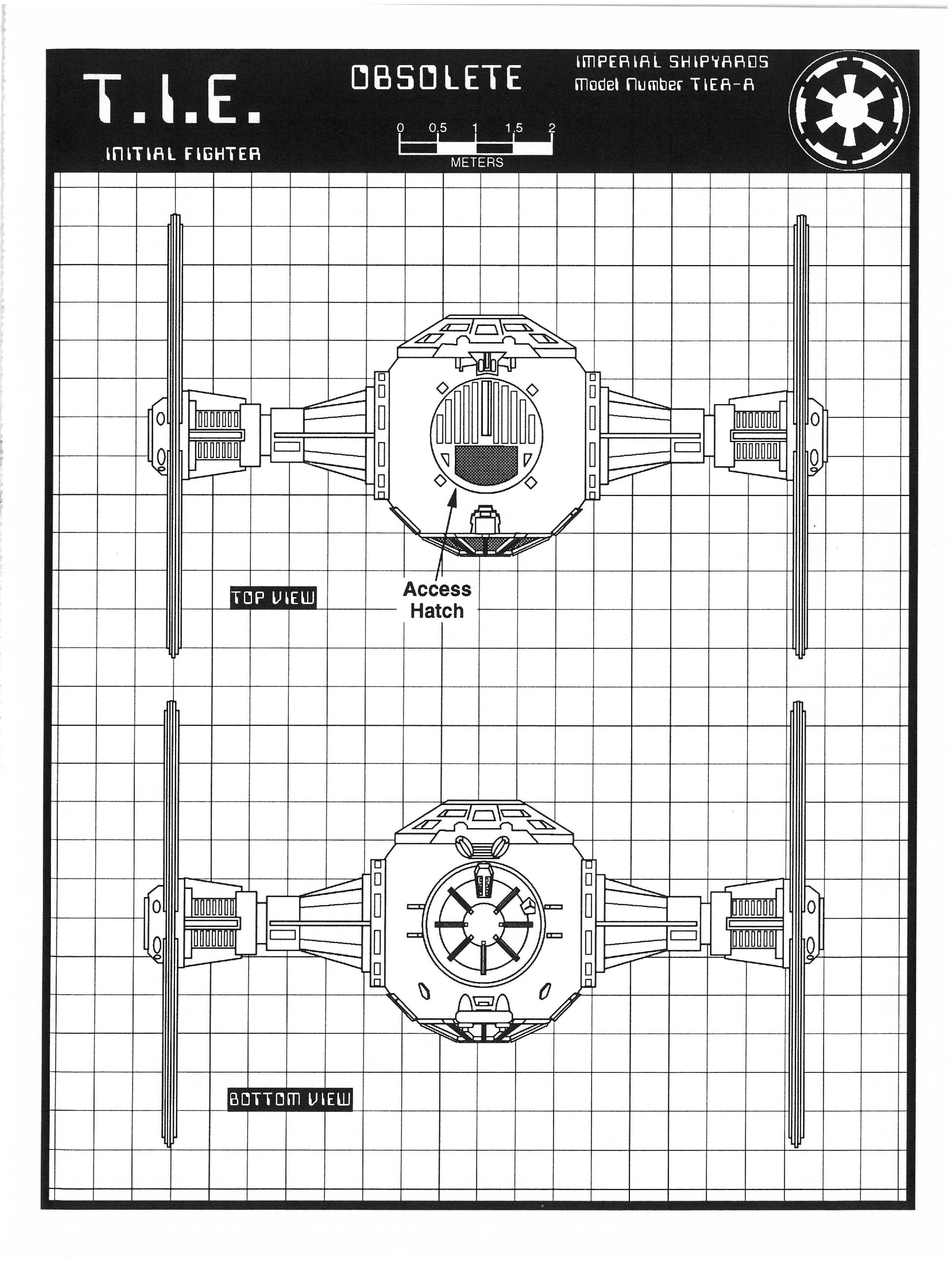
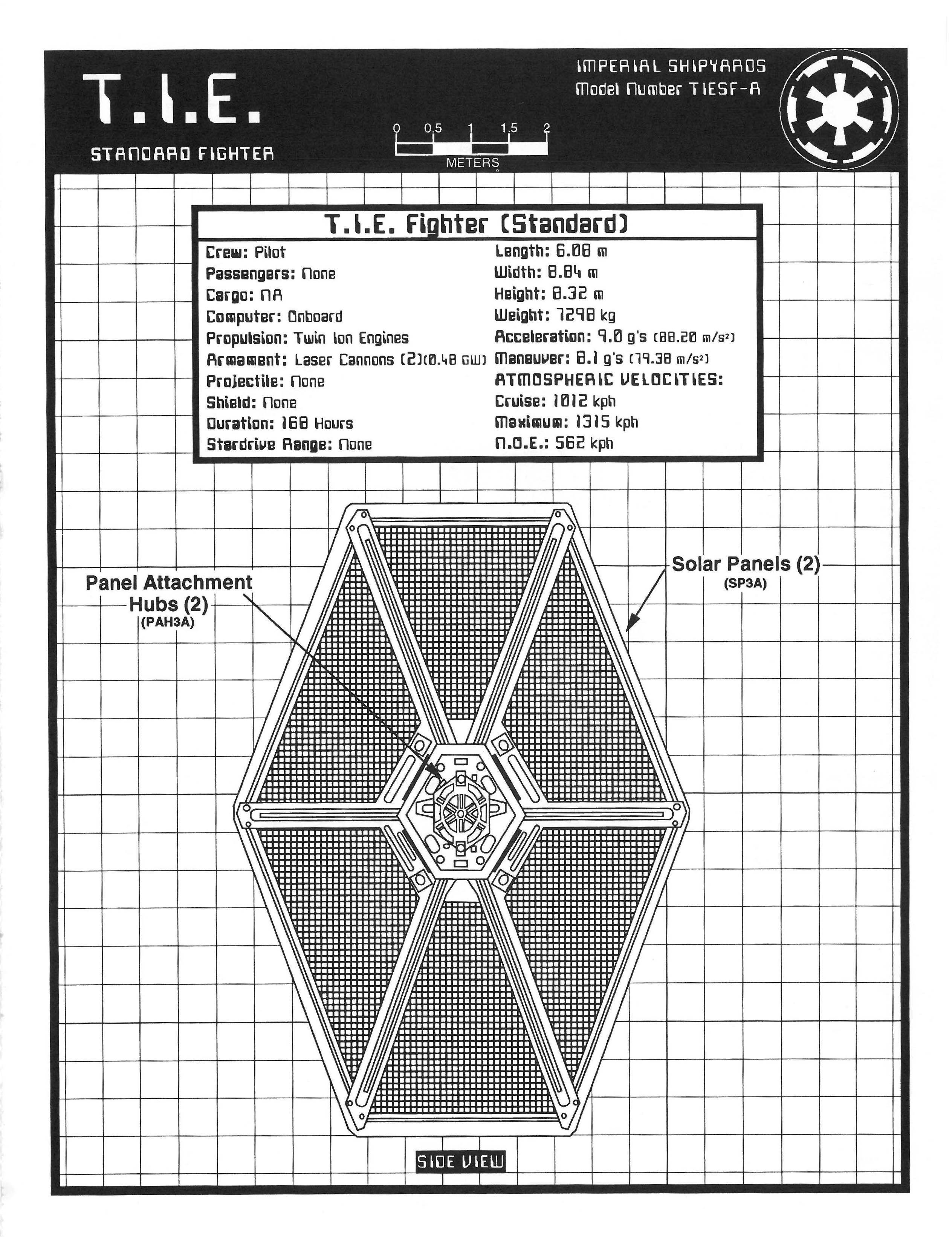
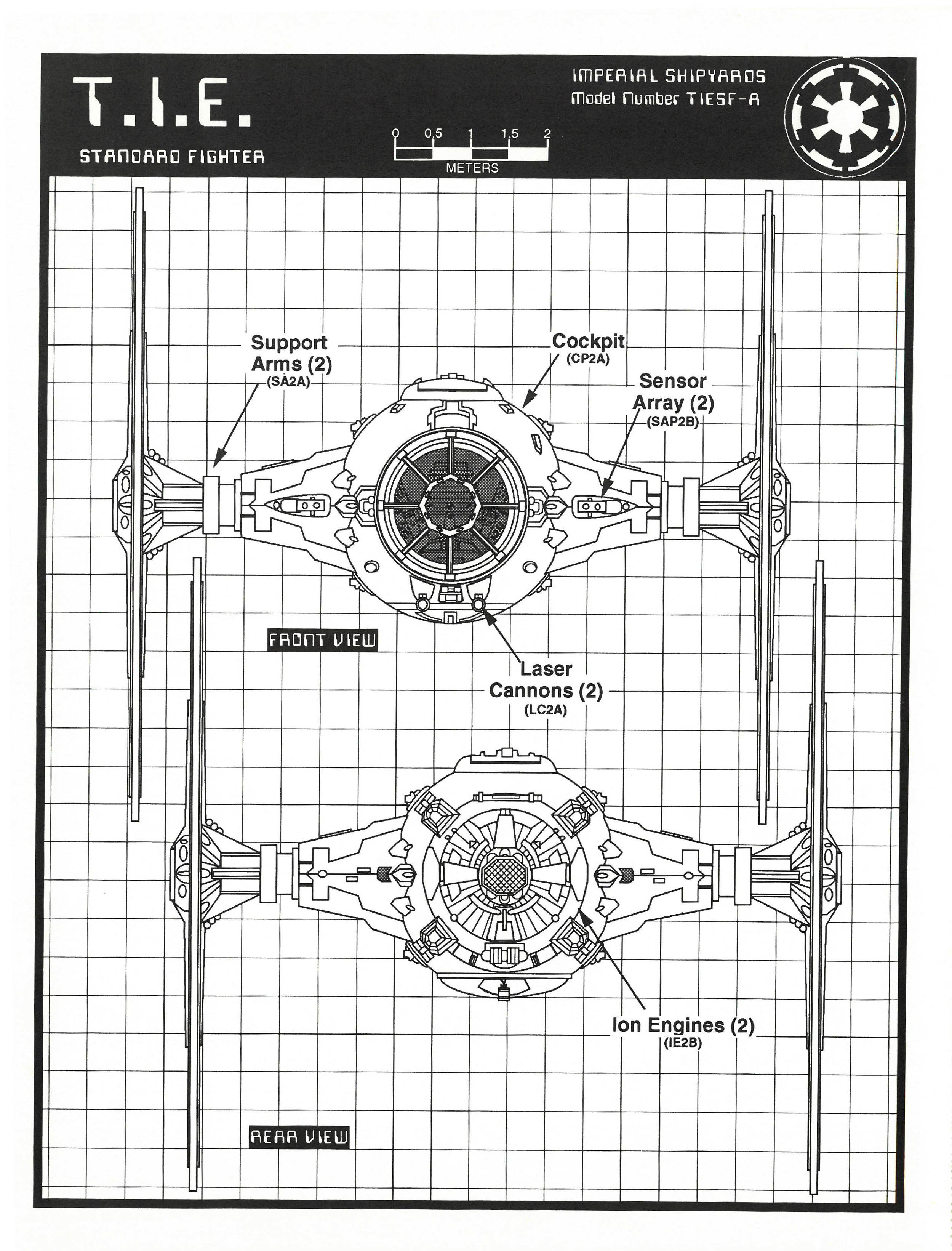
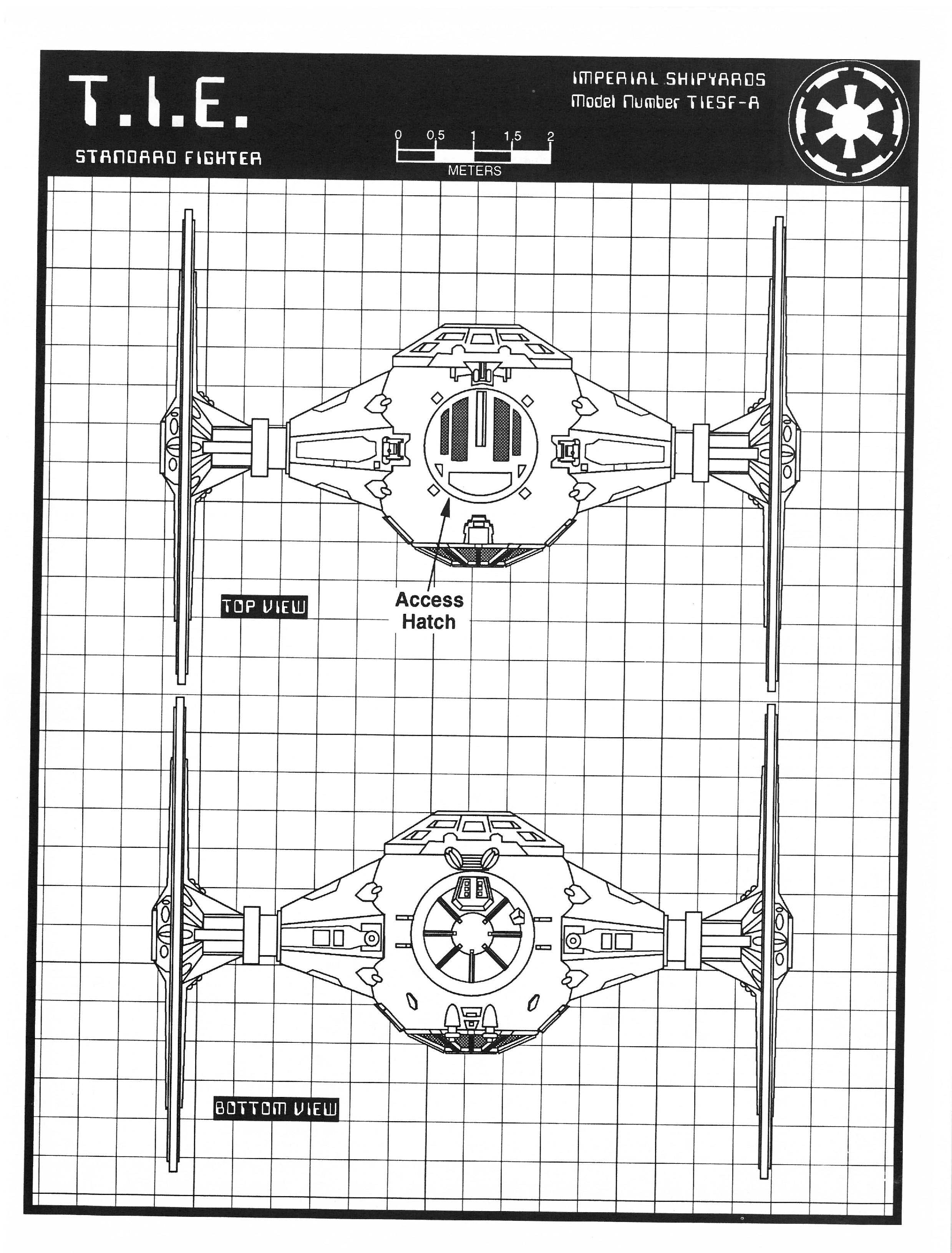
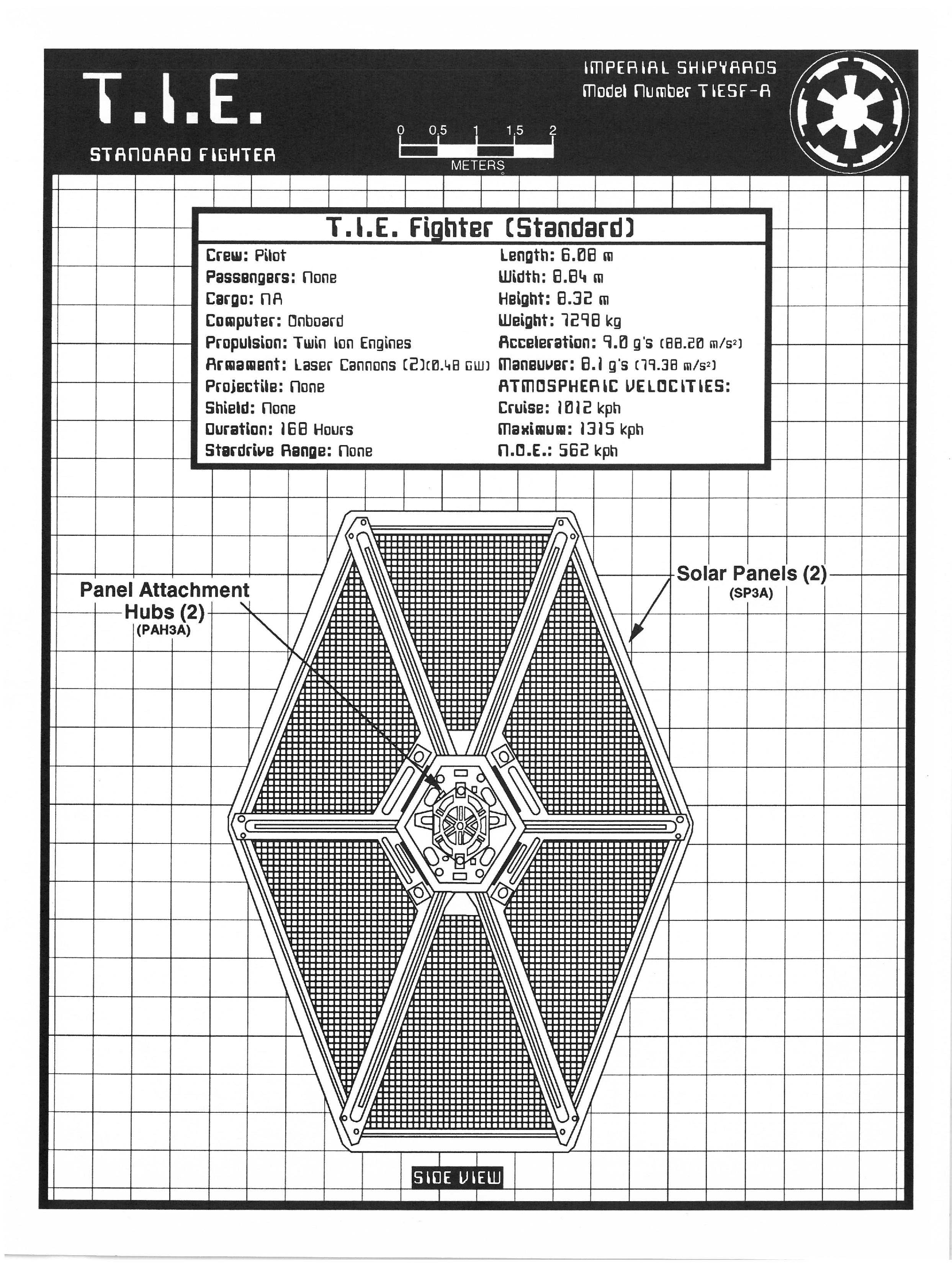
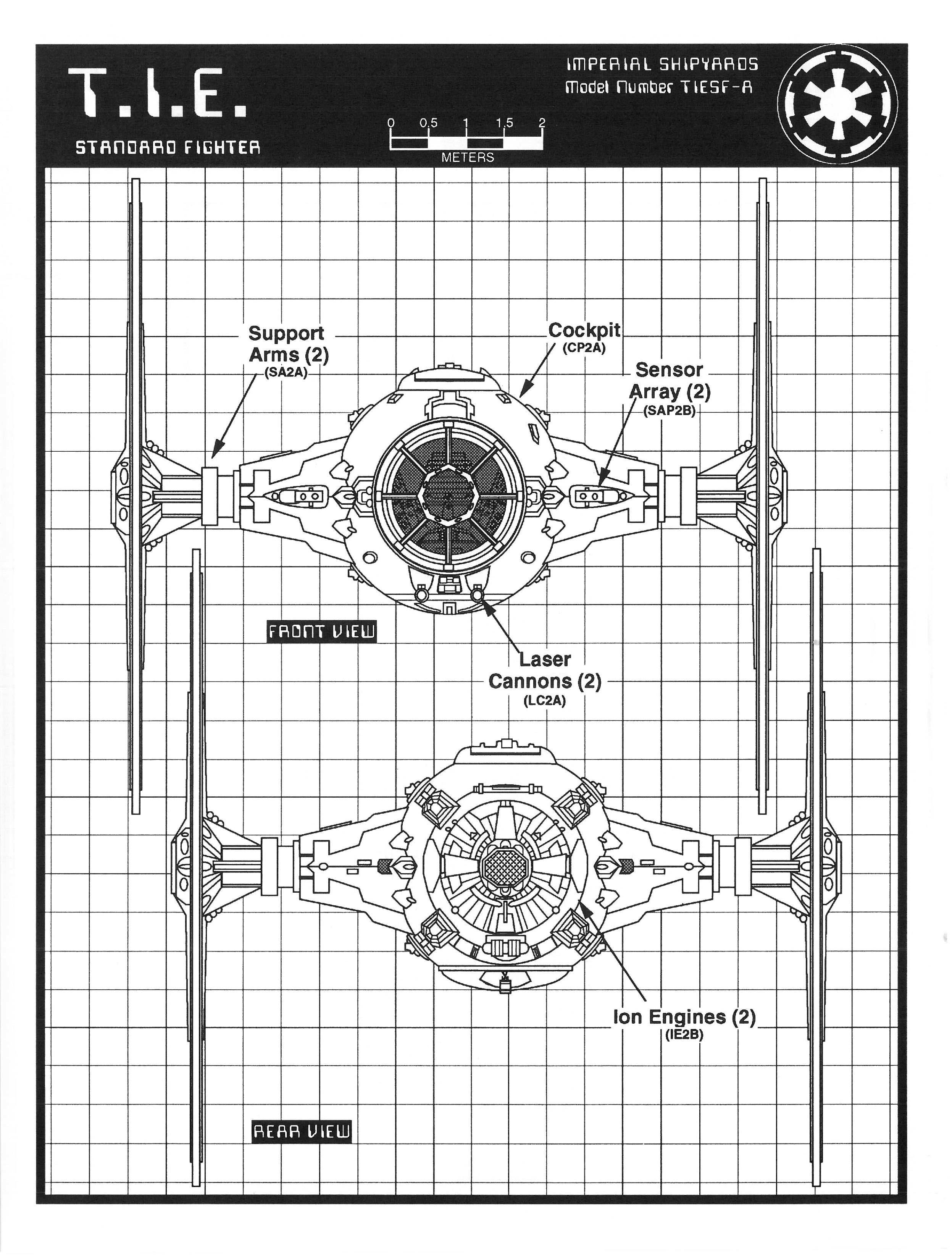
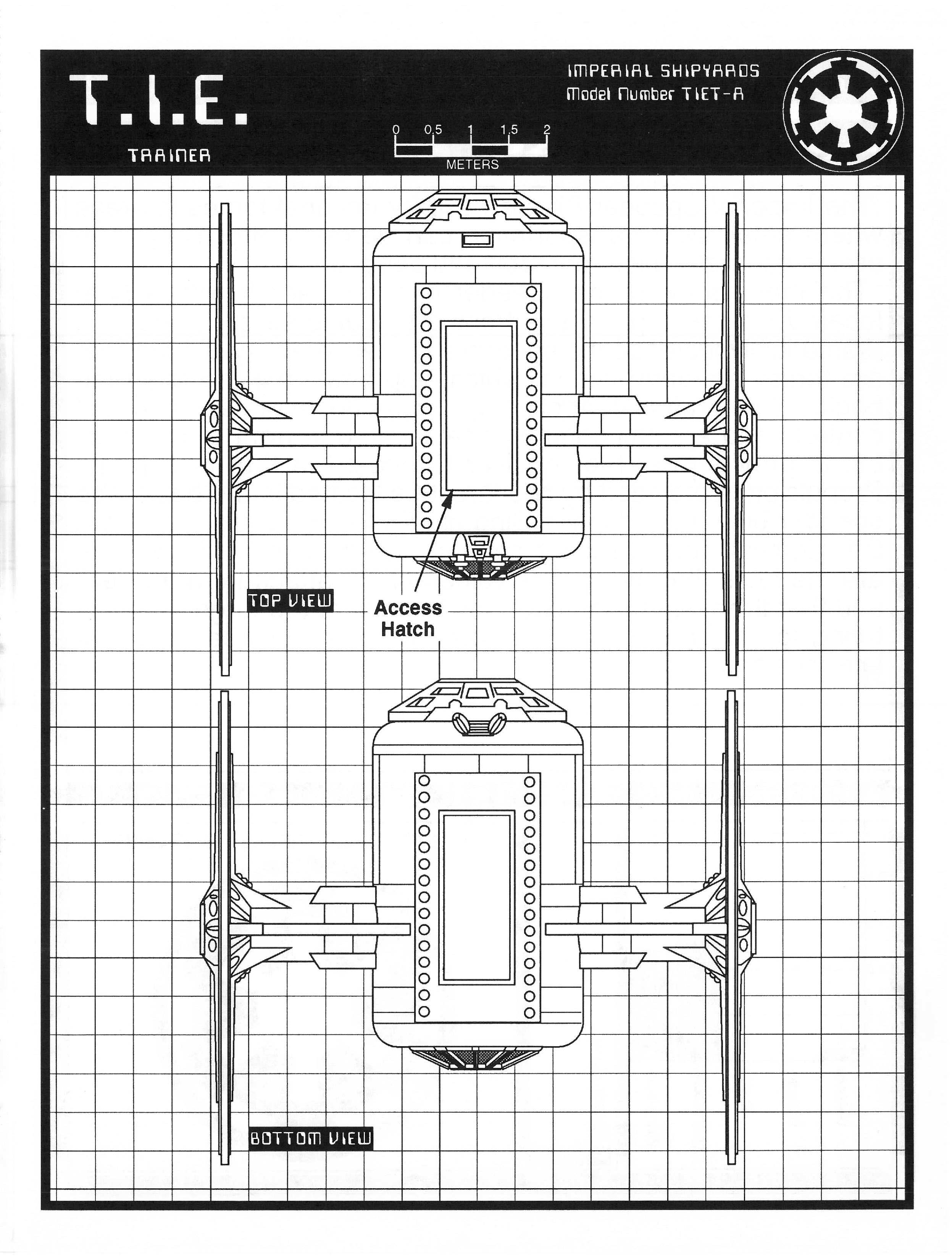
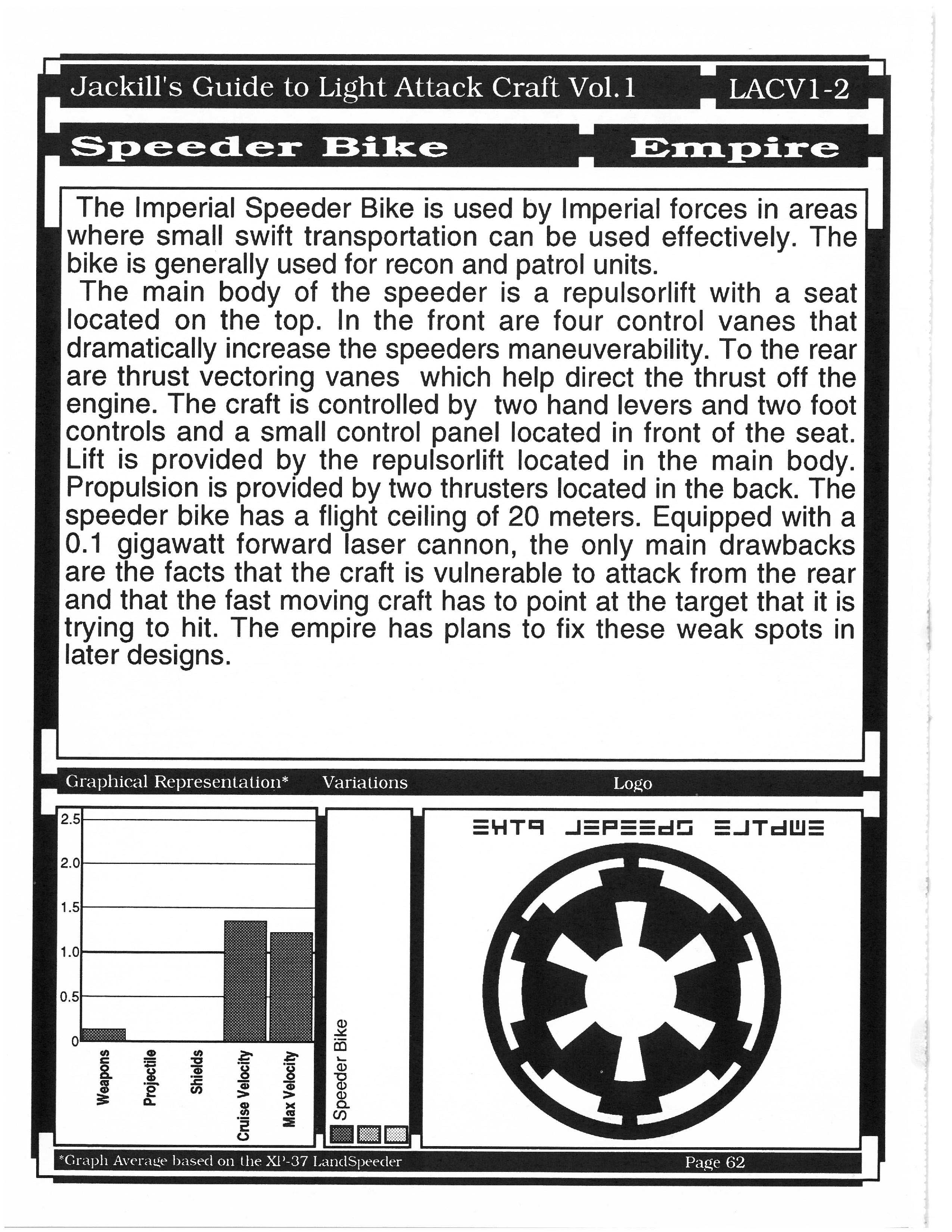
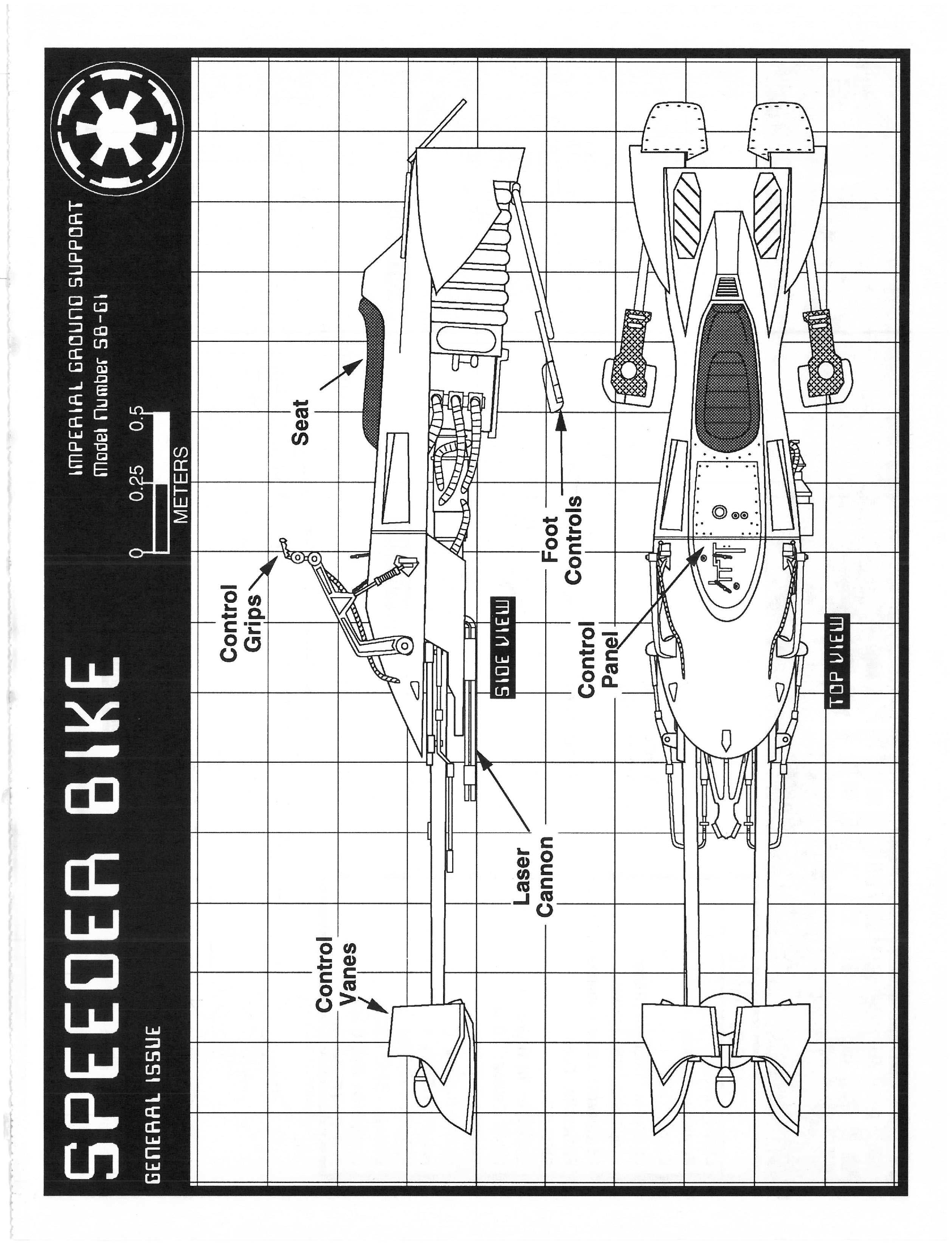
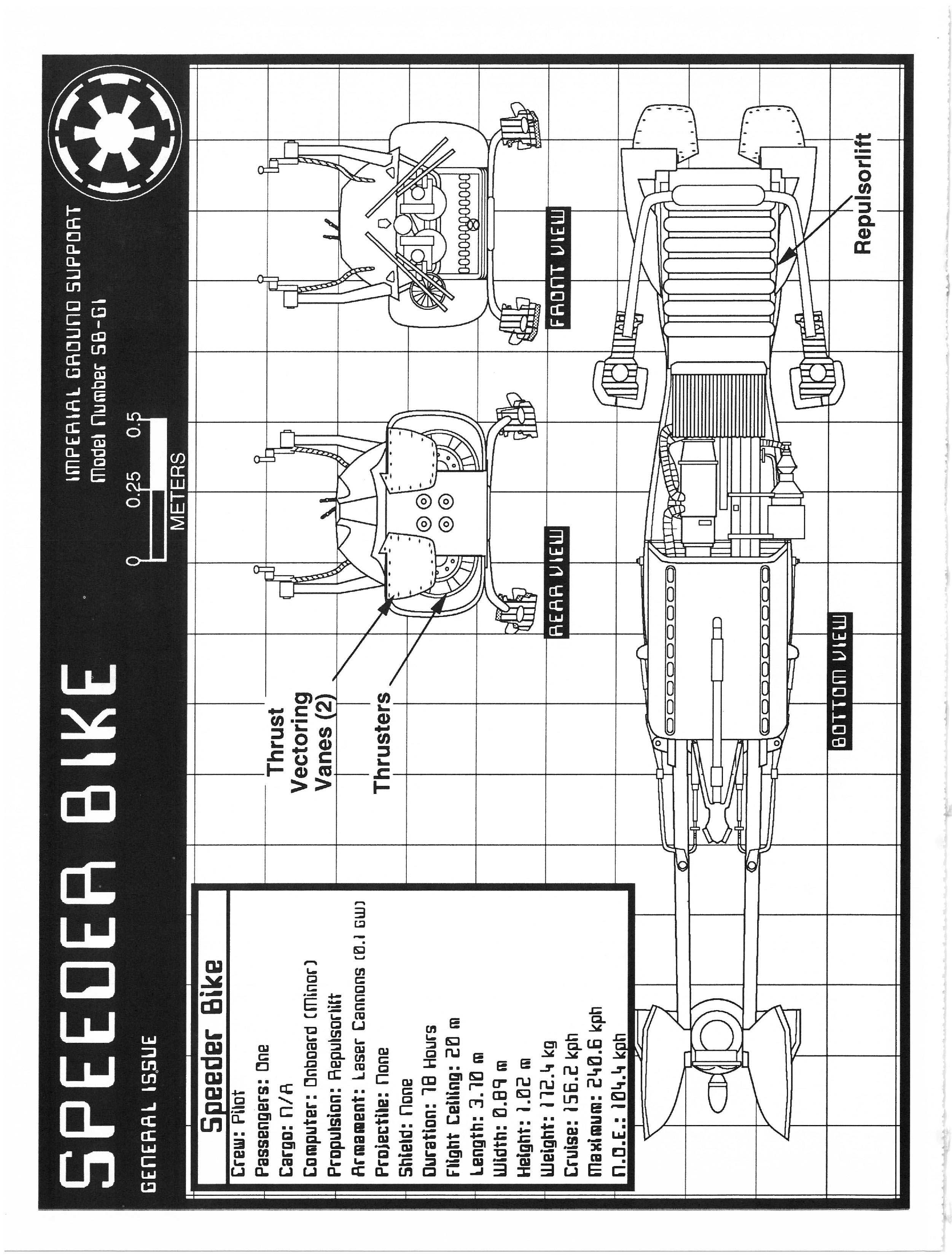
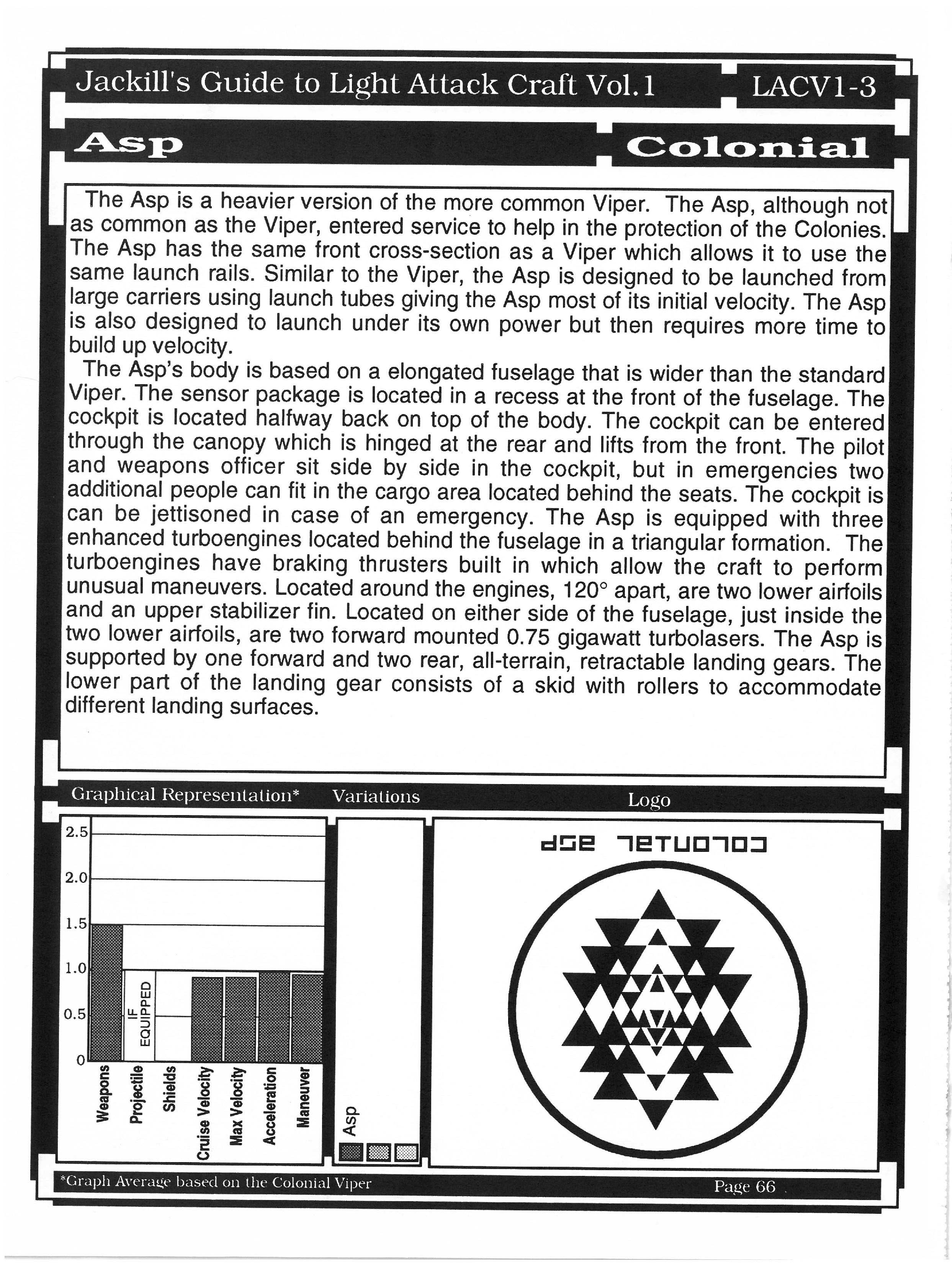
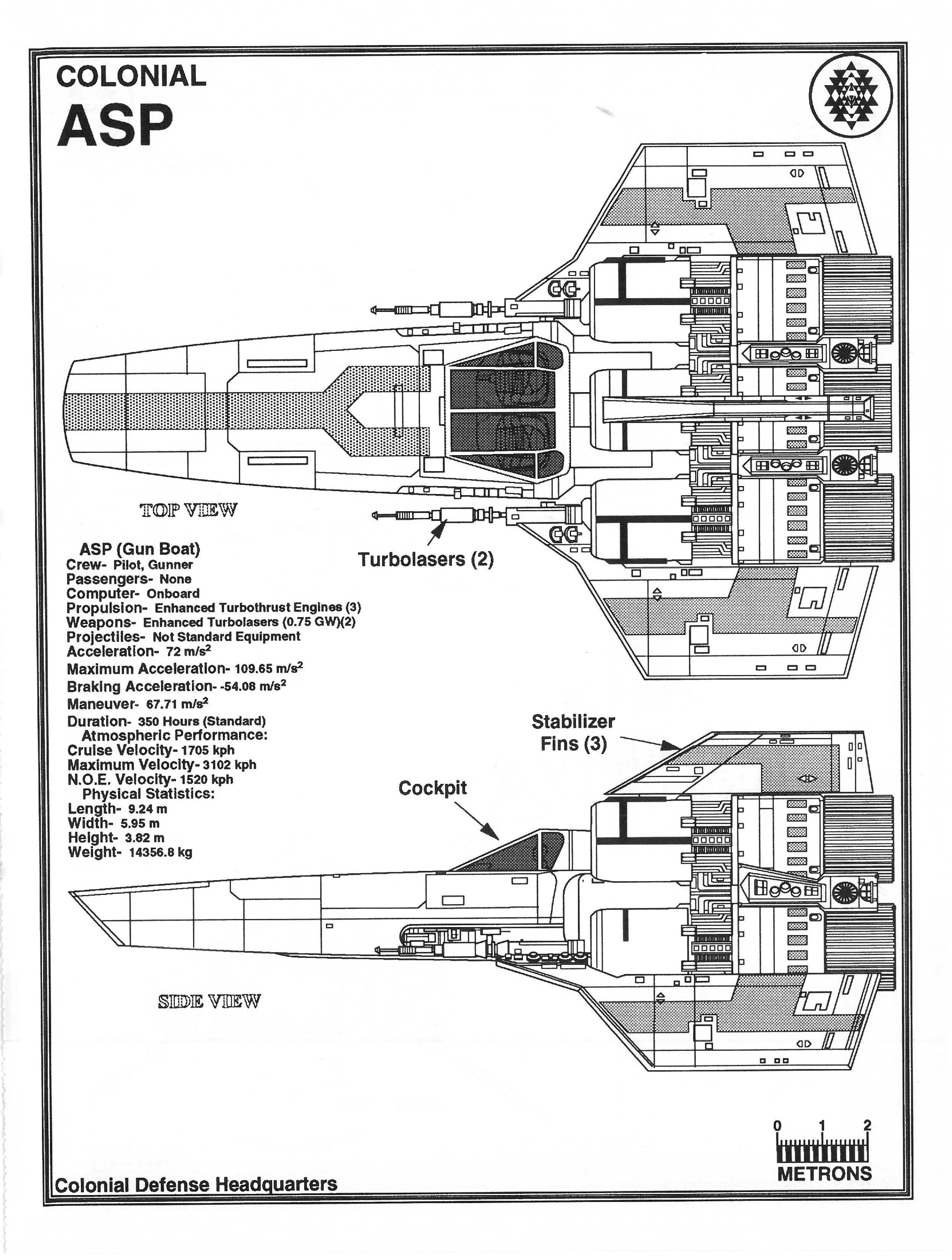
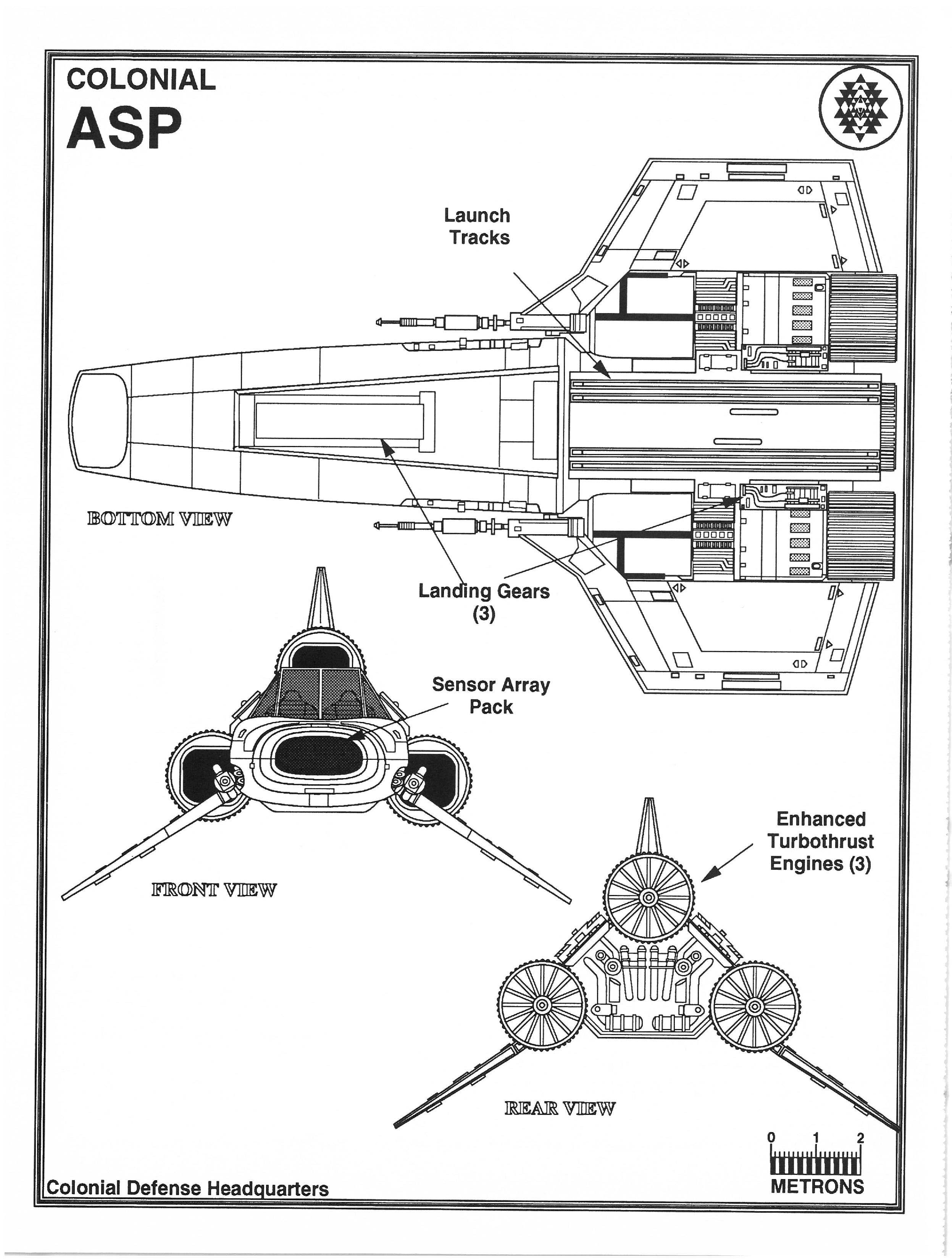
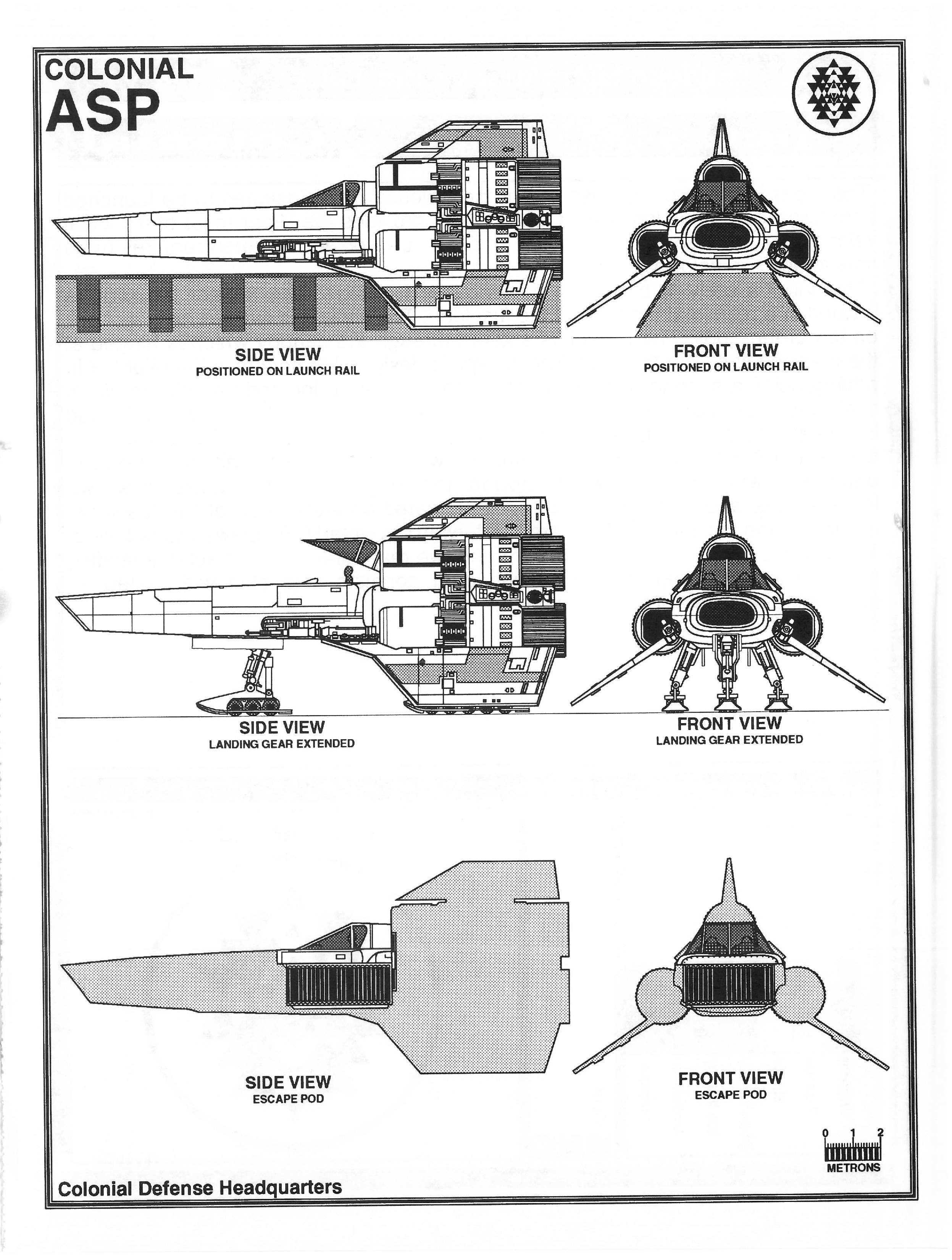
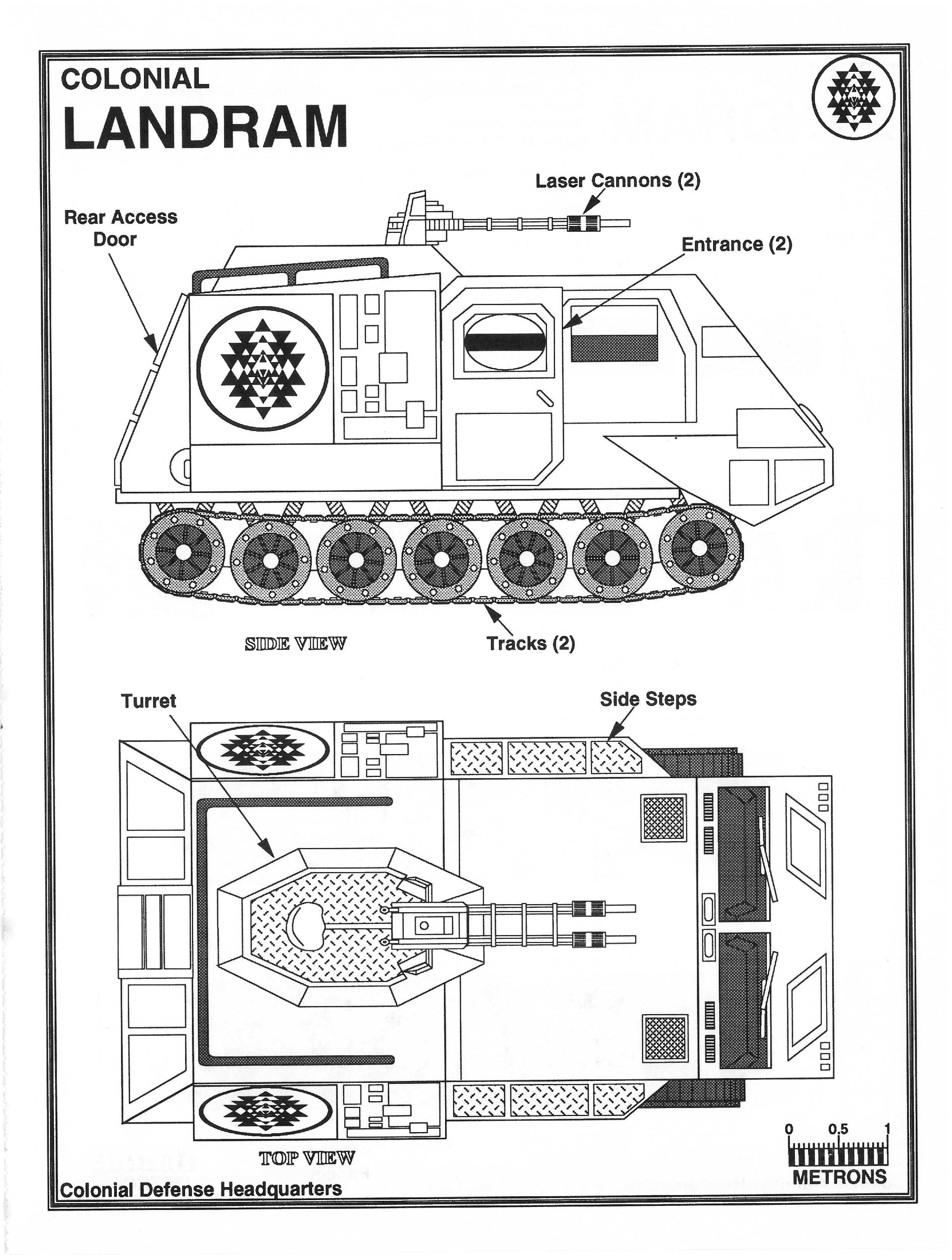
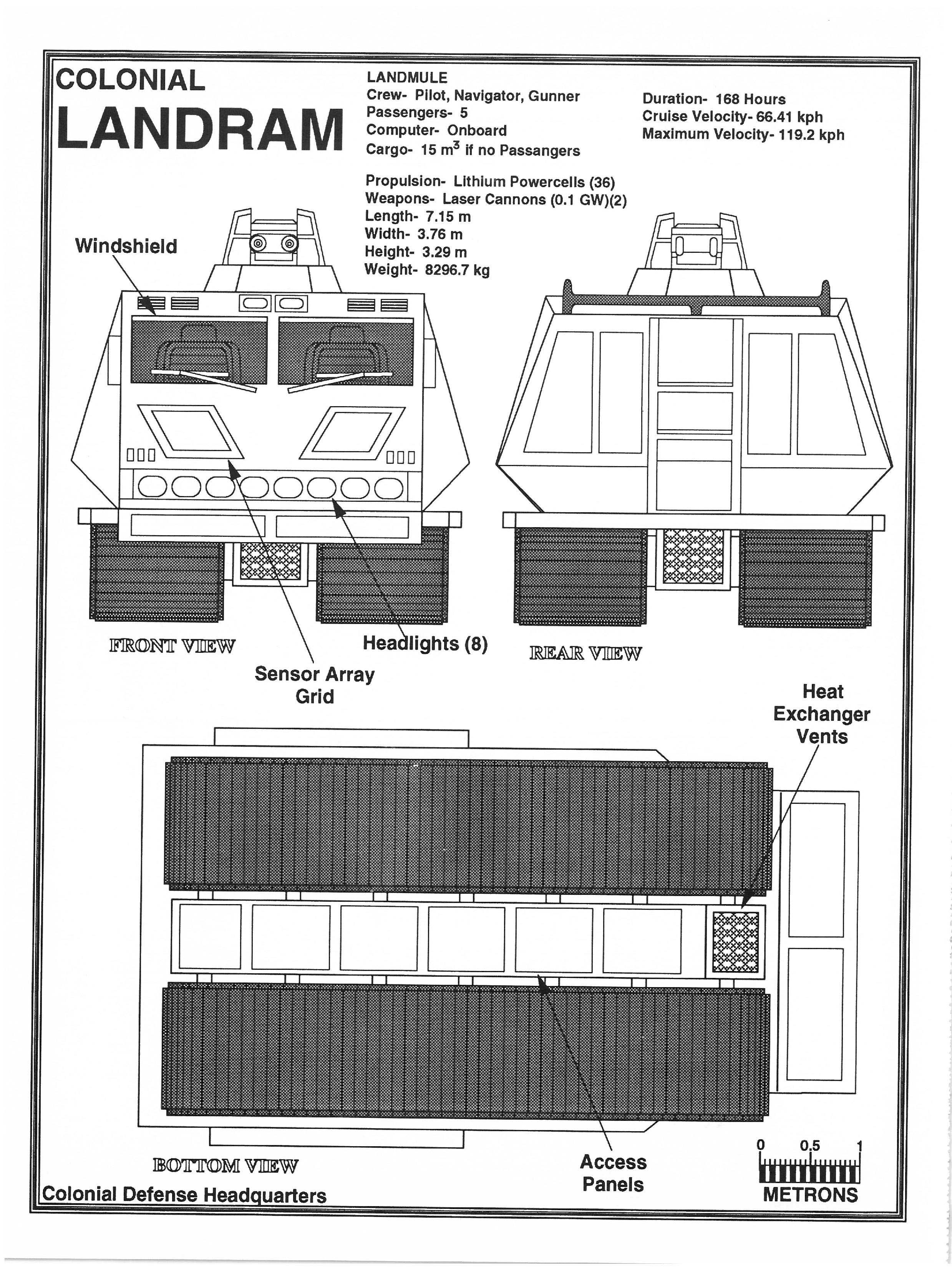
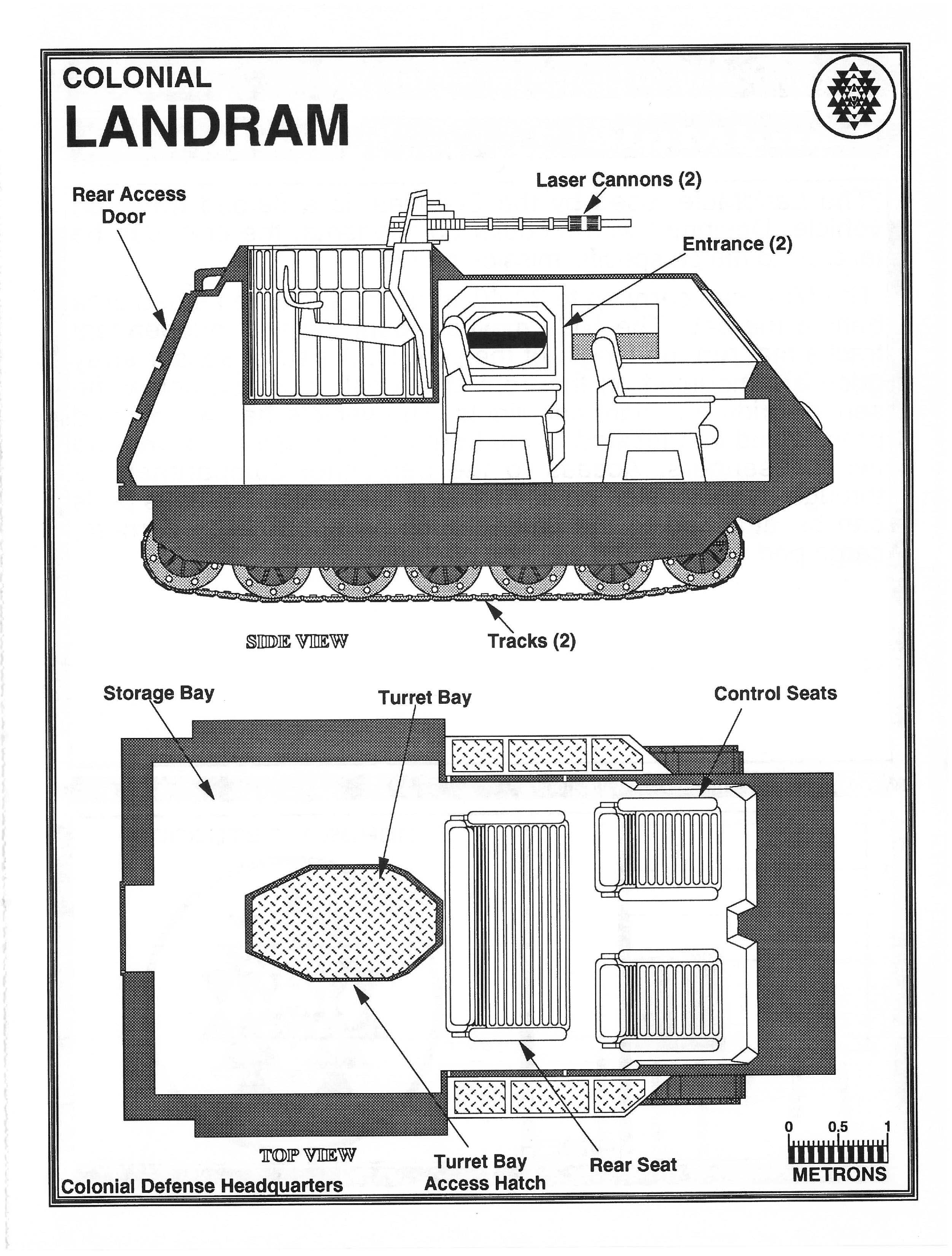
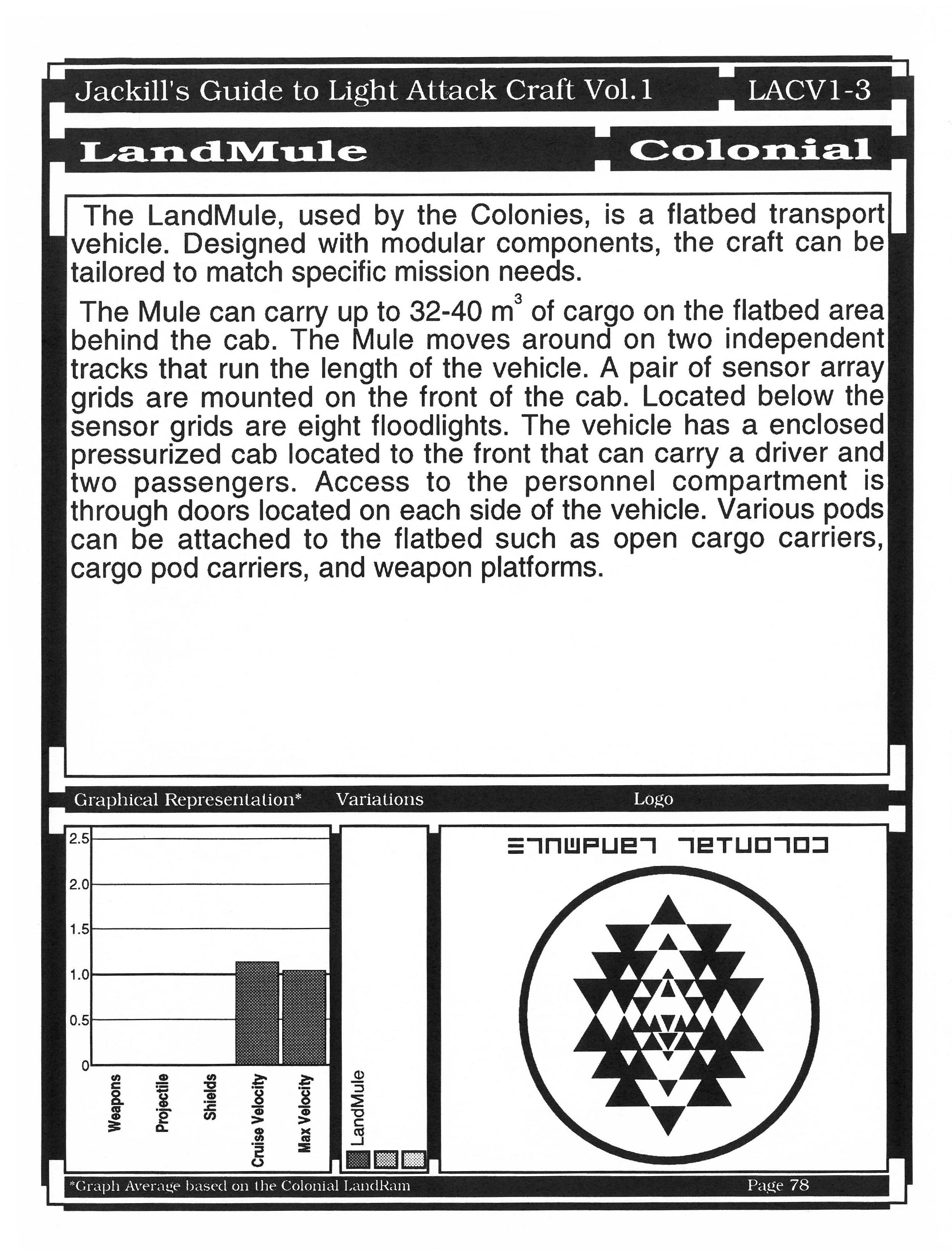
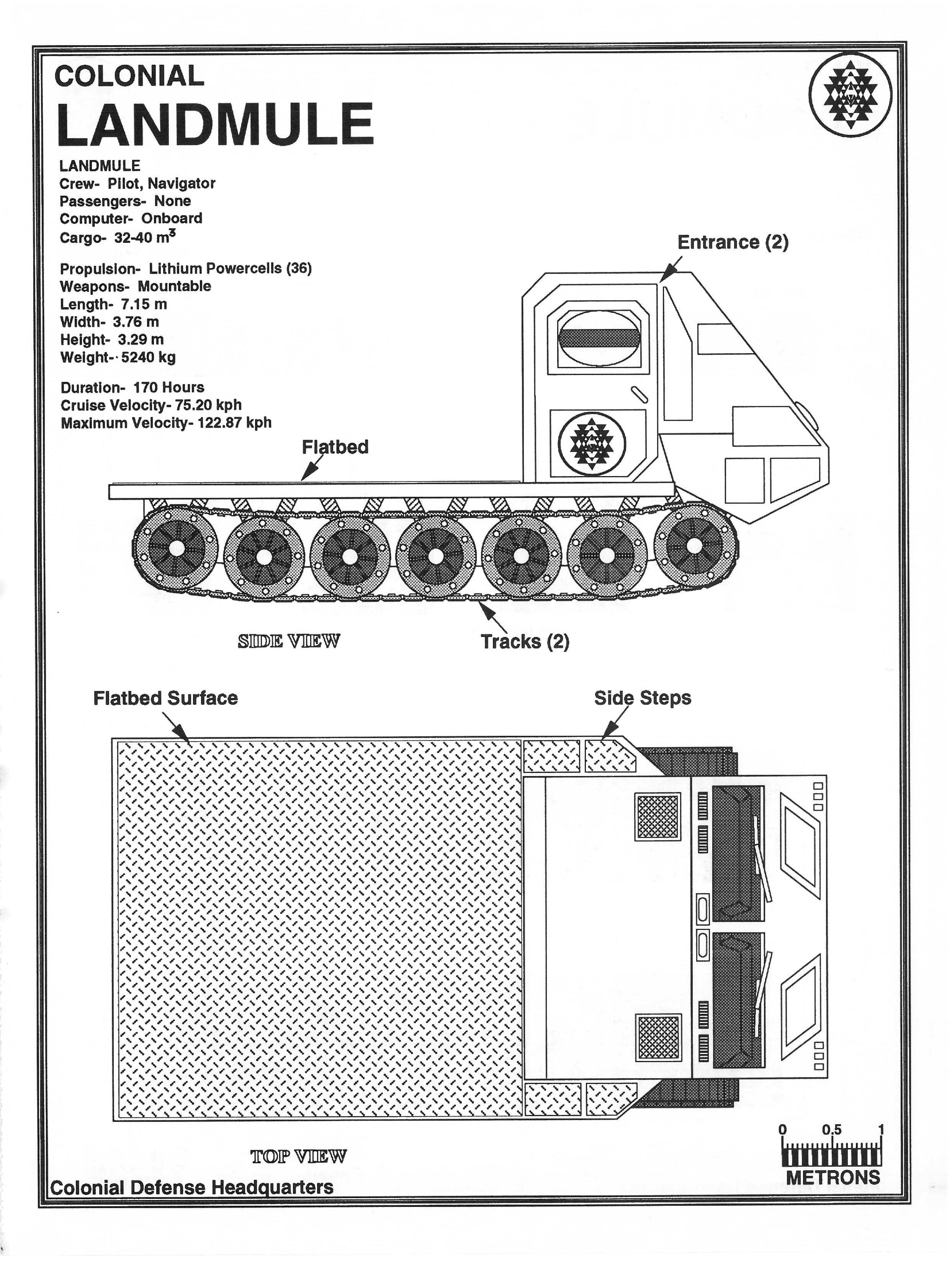
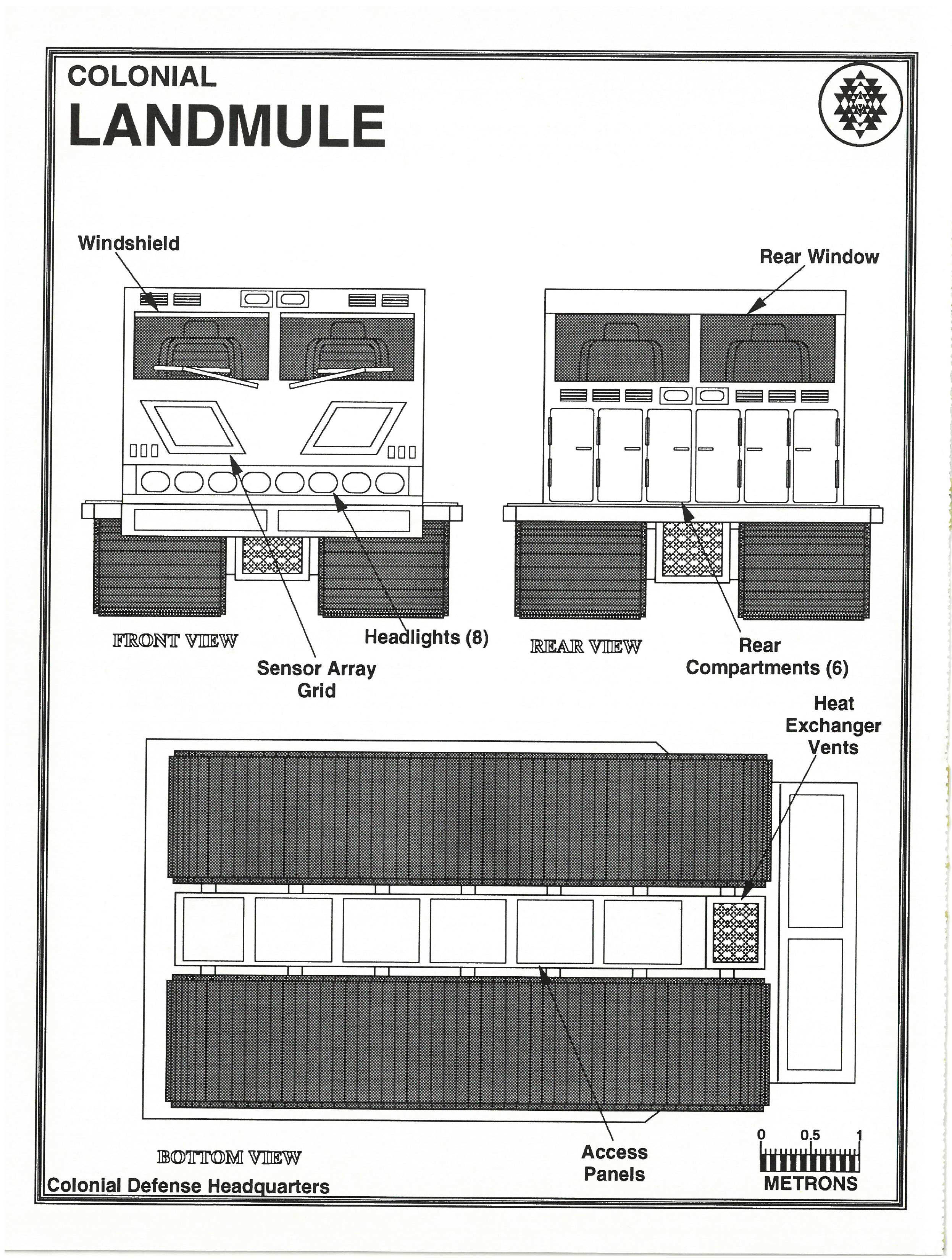
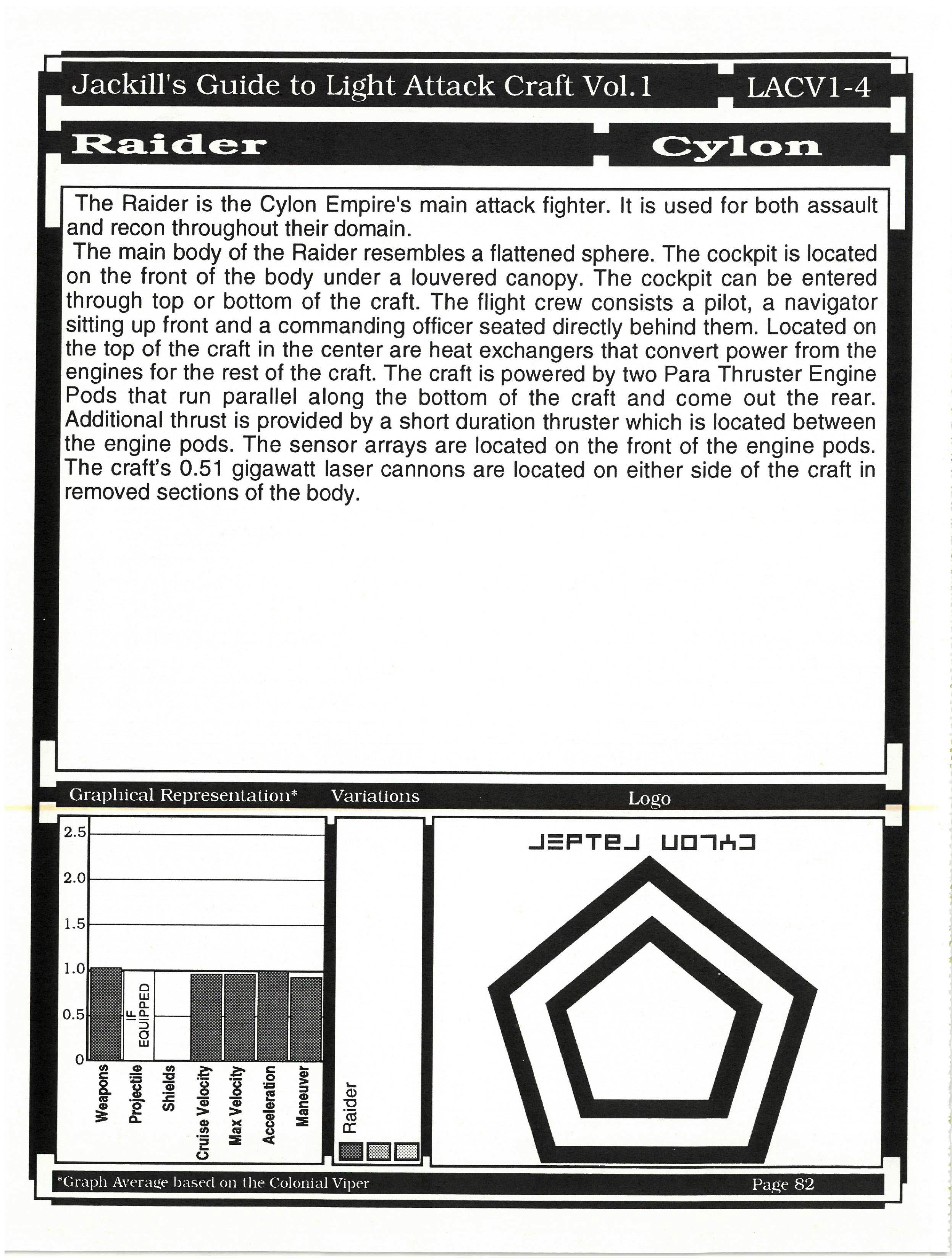
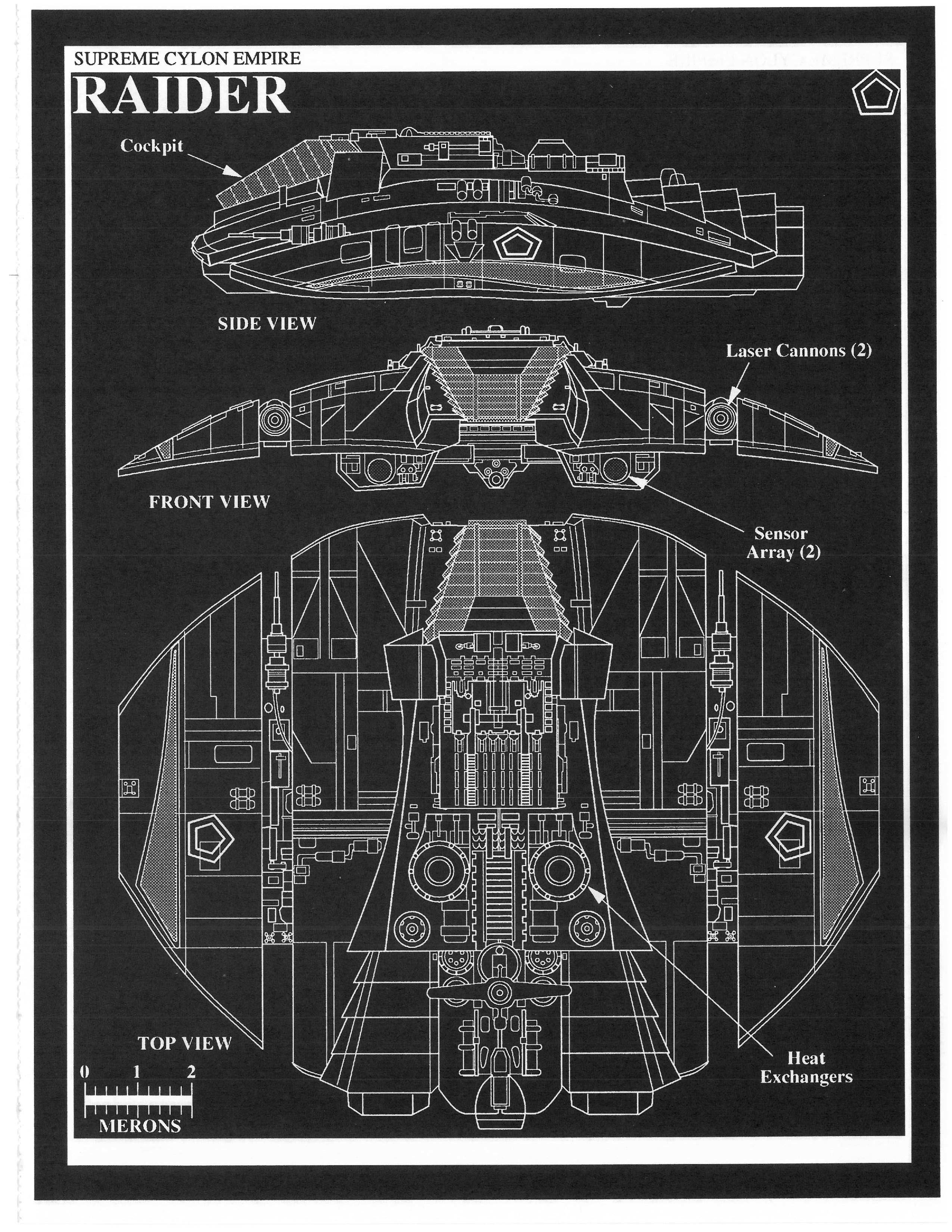
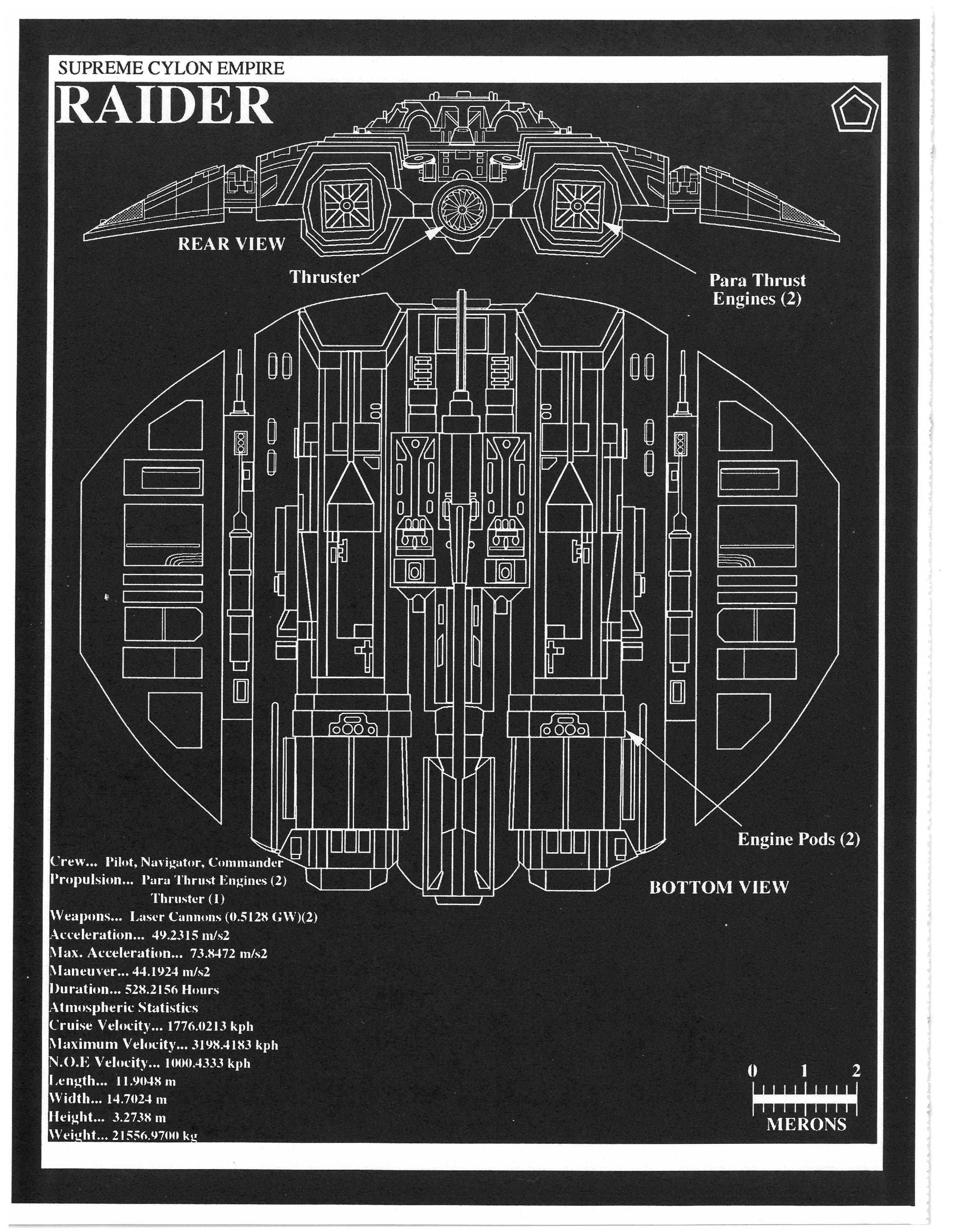
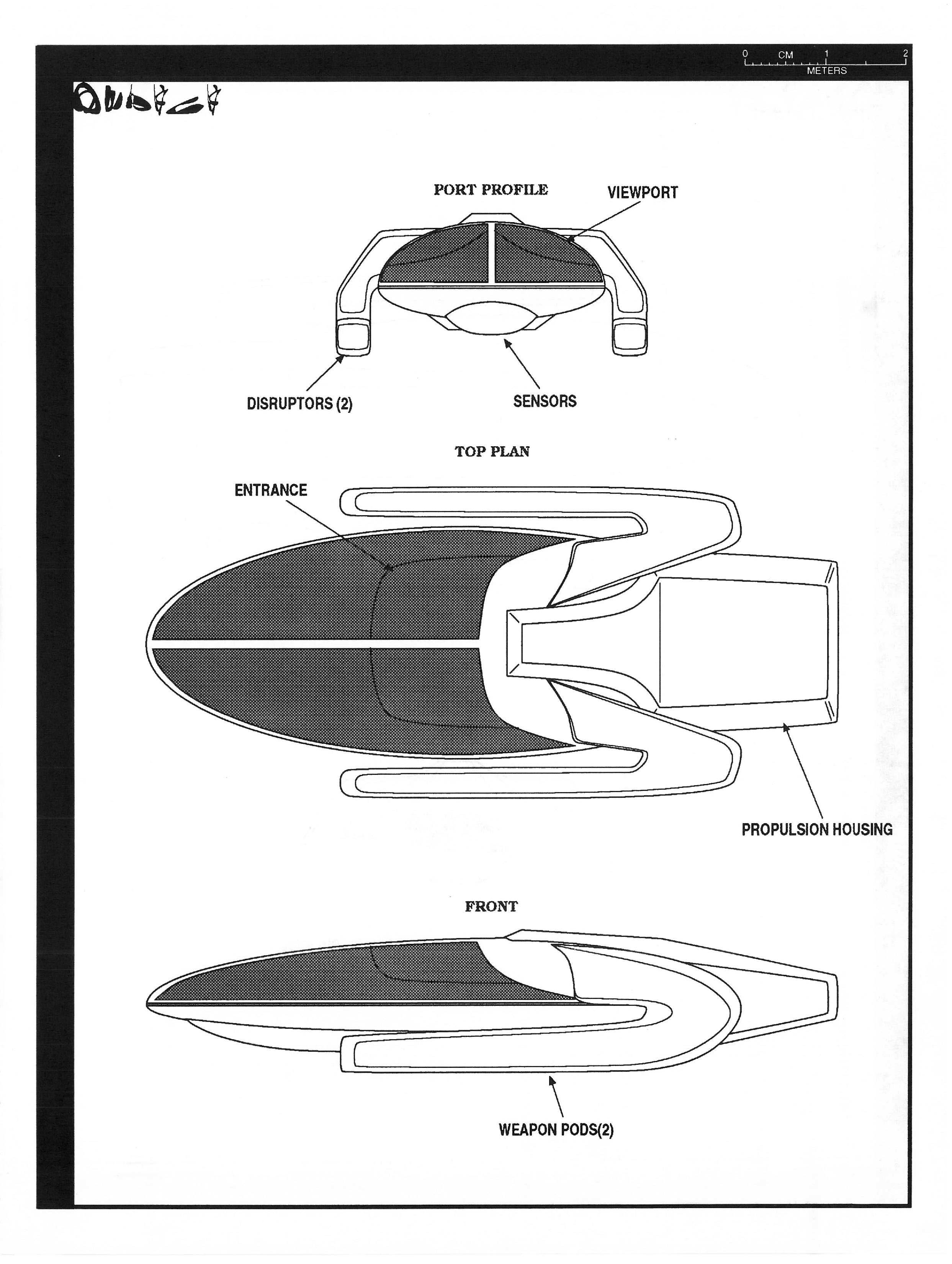
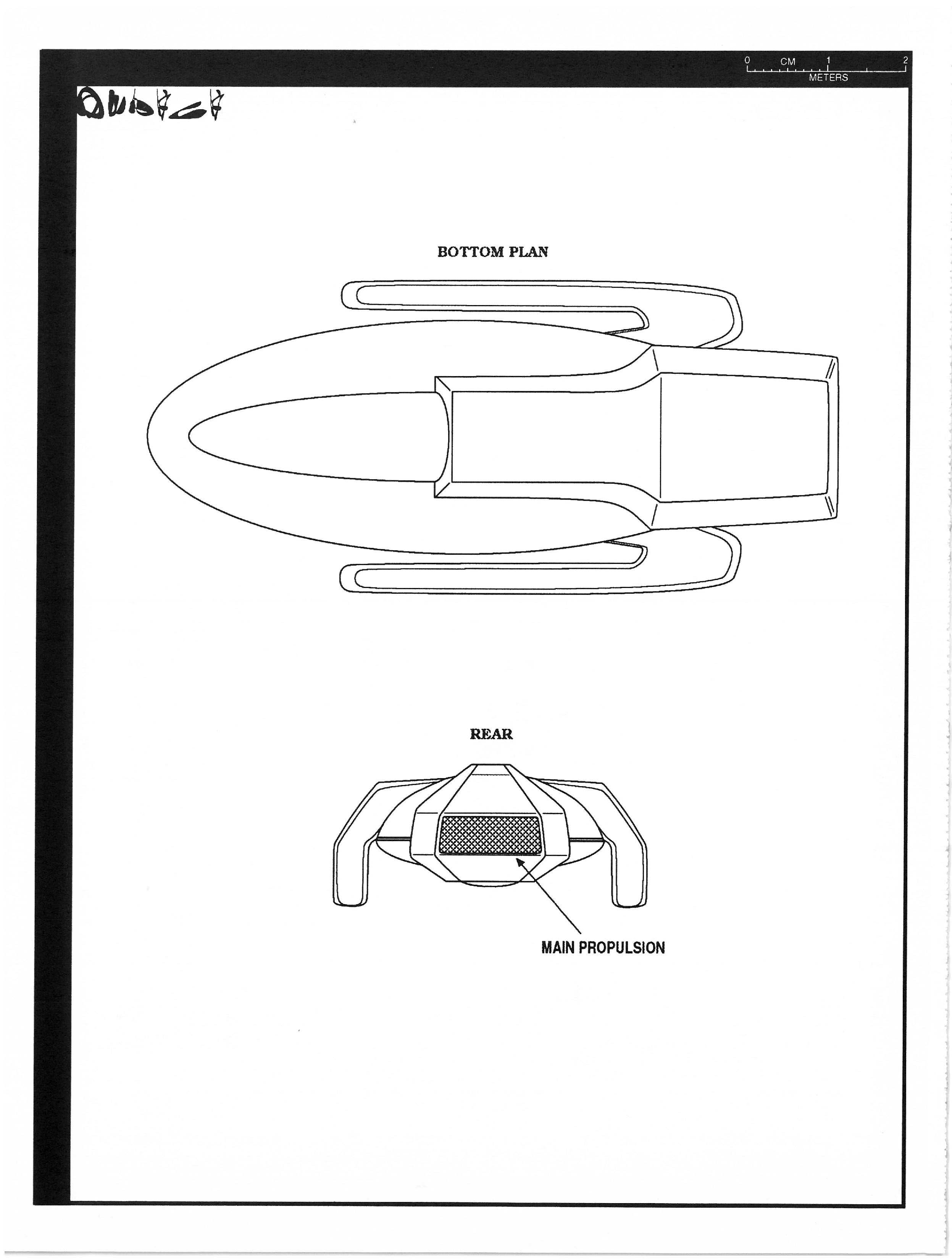
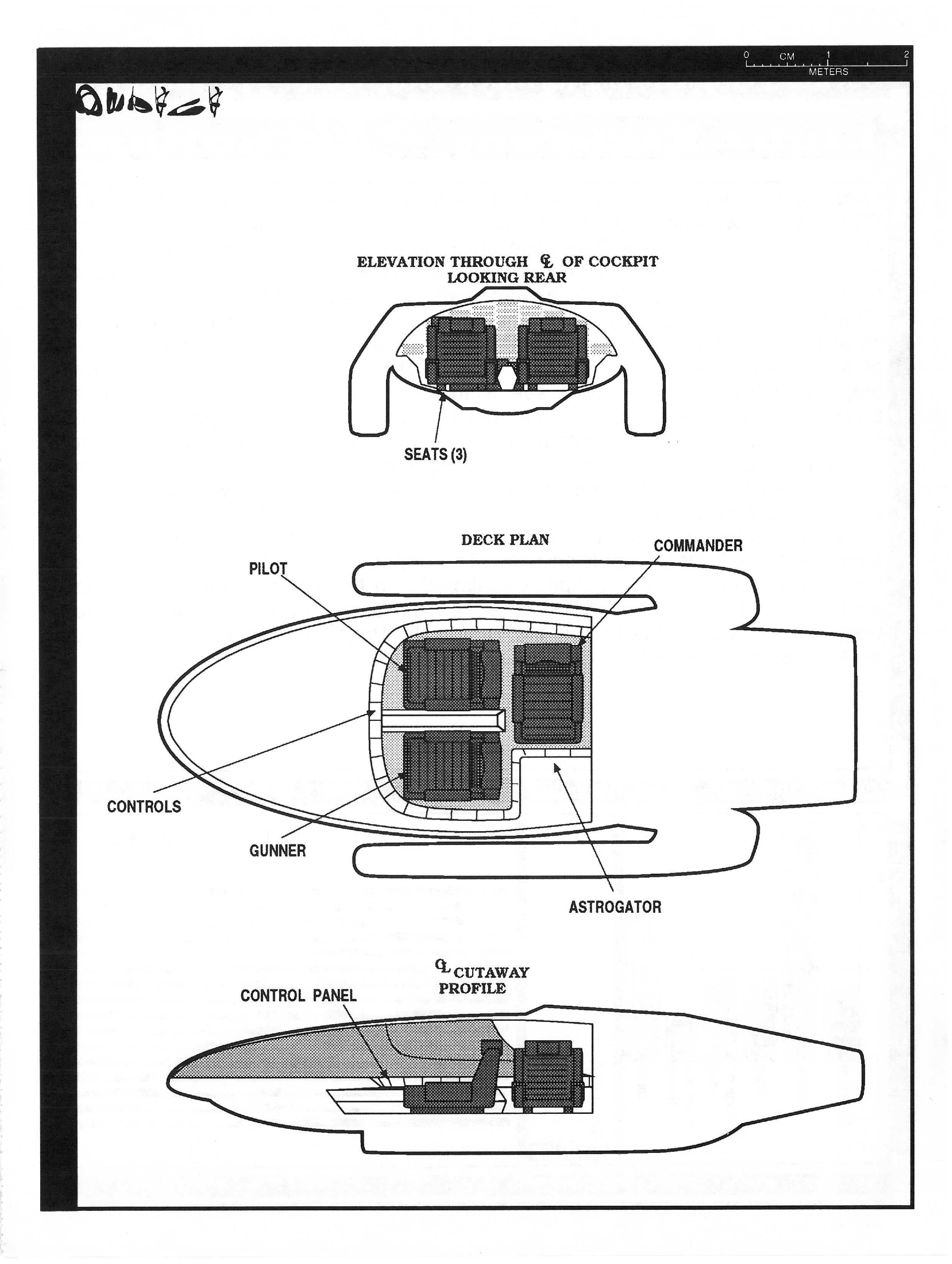
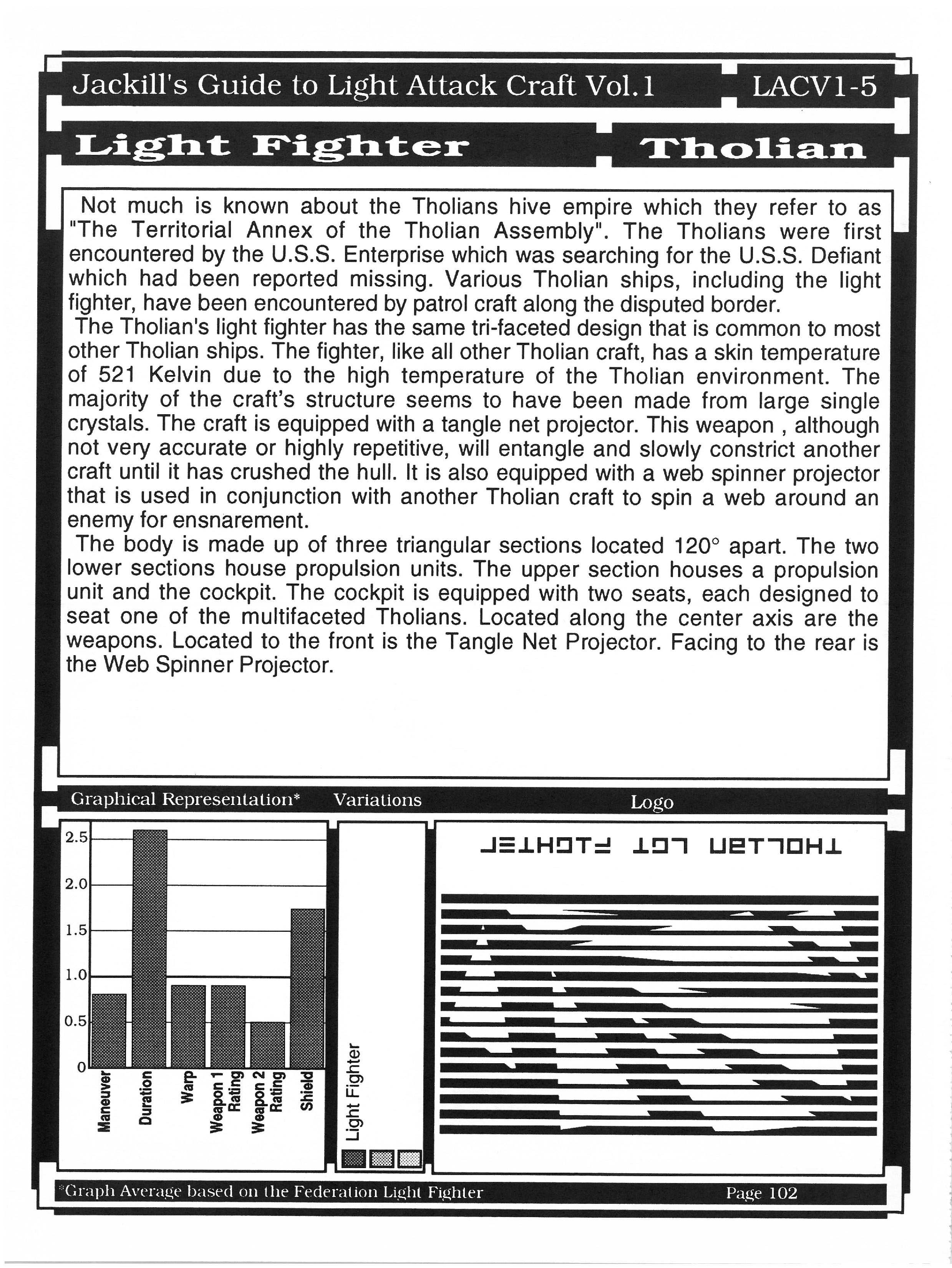
Each craft includes a description, drawing and relevant statistics to help familiarize you with these crafts, although not all statistics are given for all vehicles. All numerical statistics, such as weight and length, are given in the highest accuracy that is available.
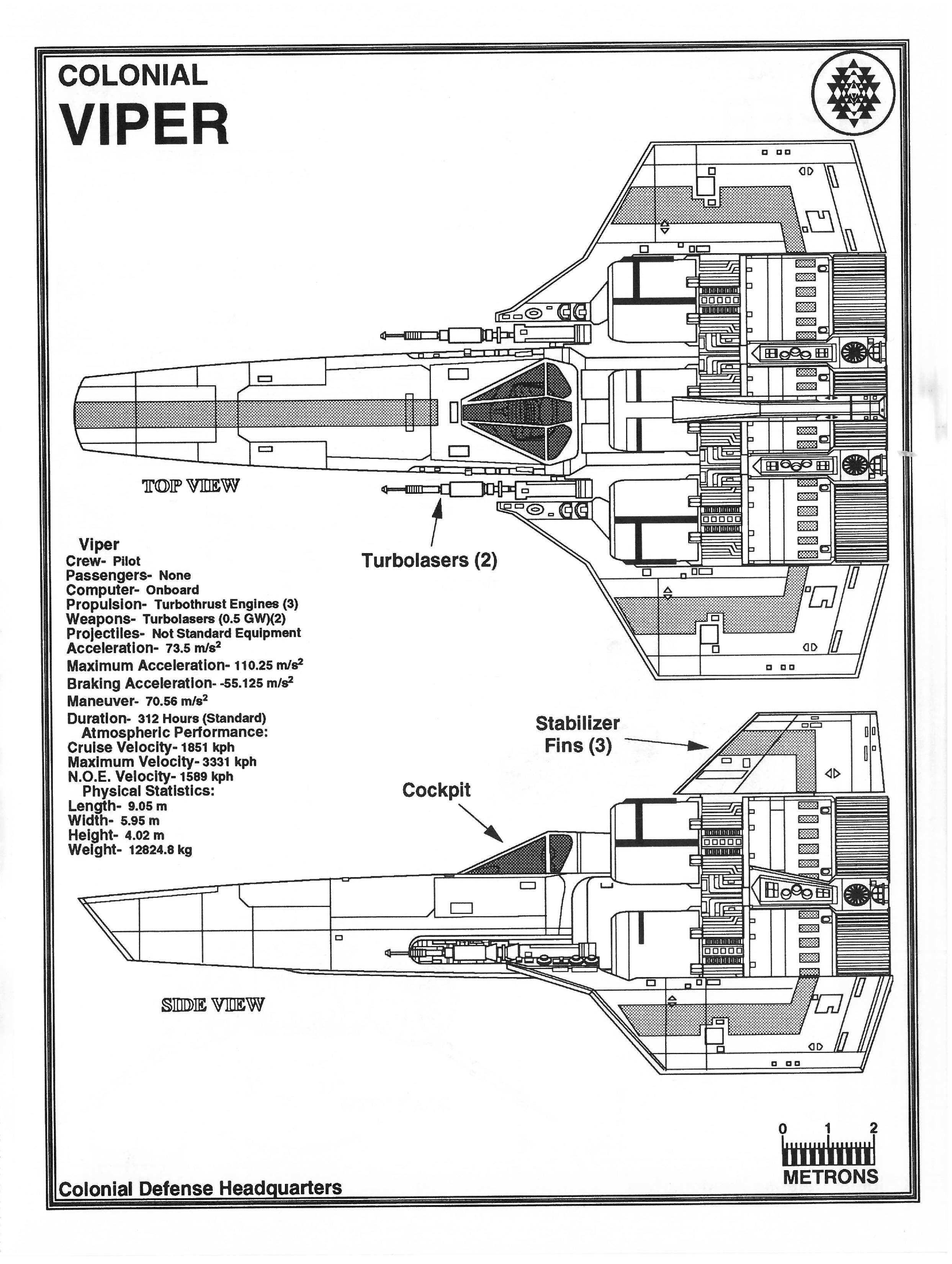
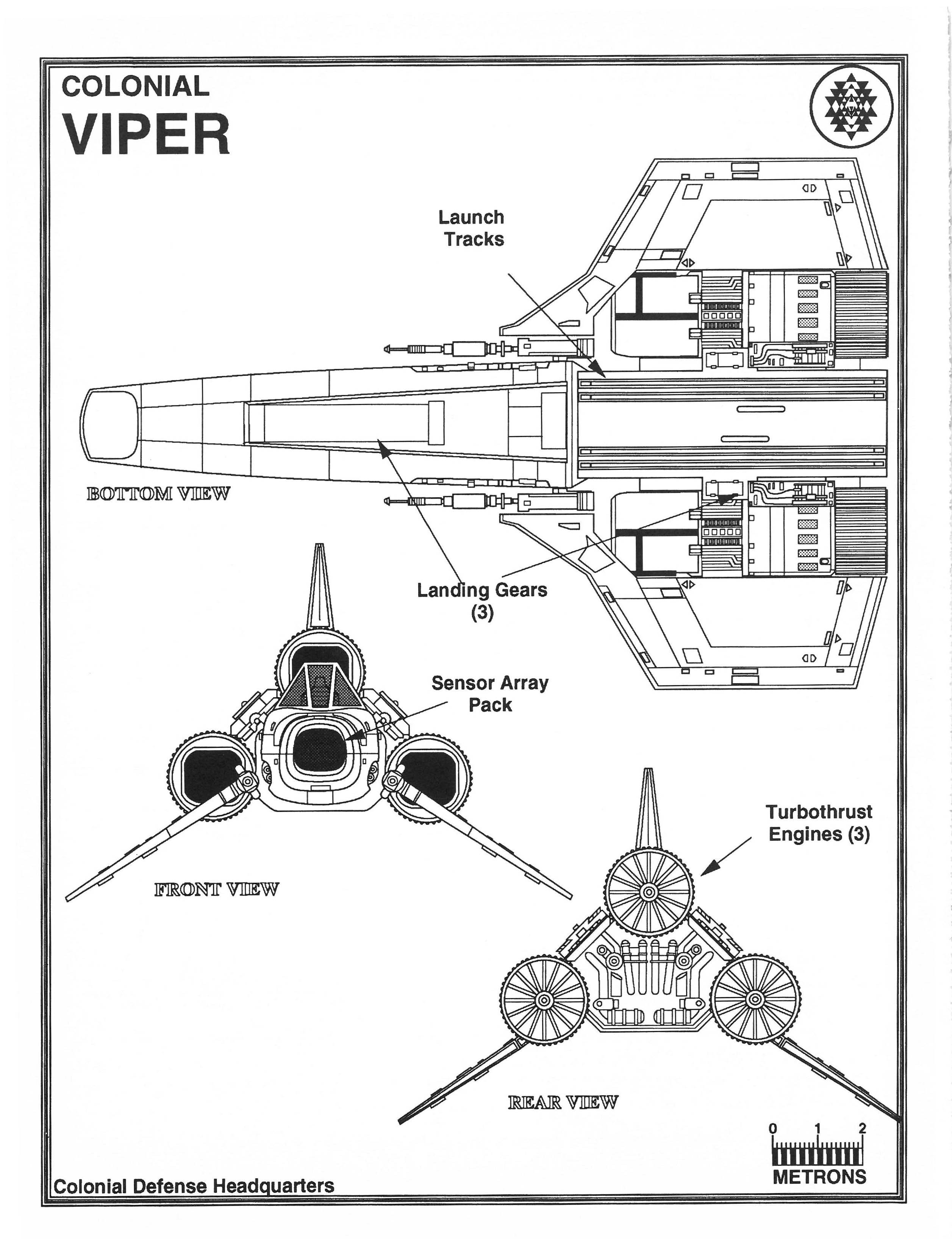
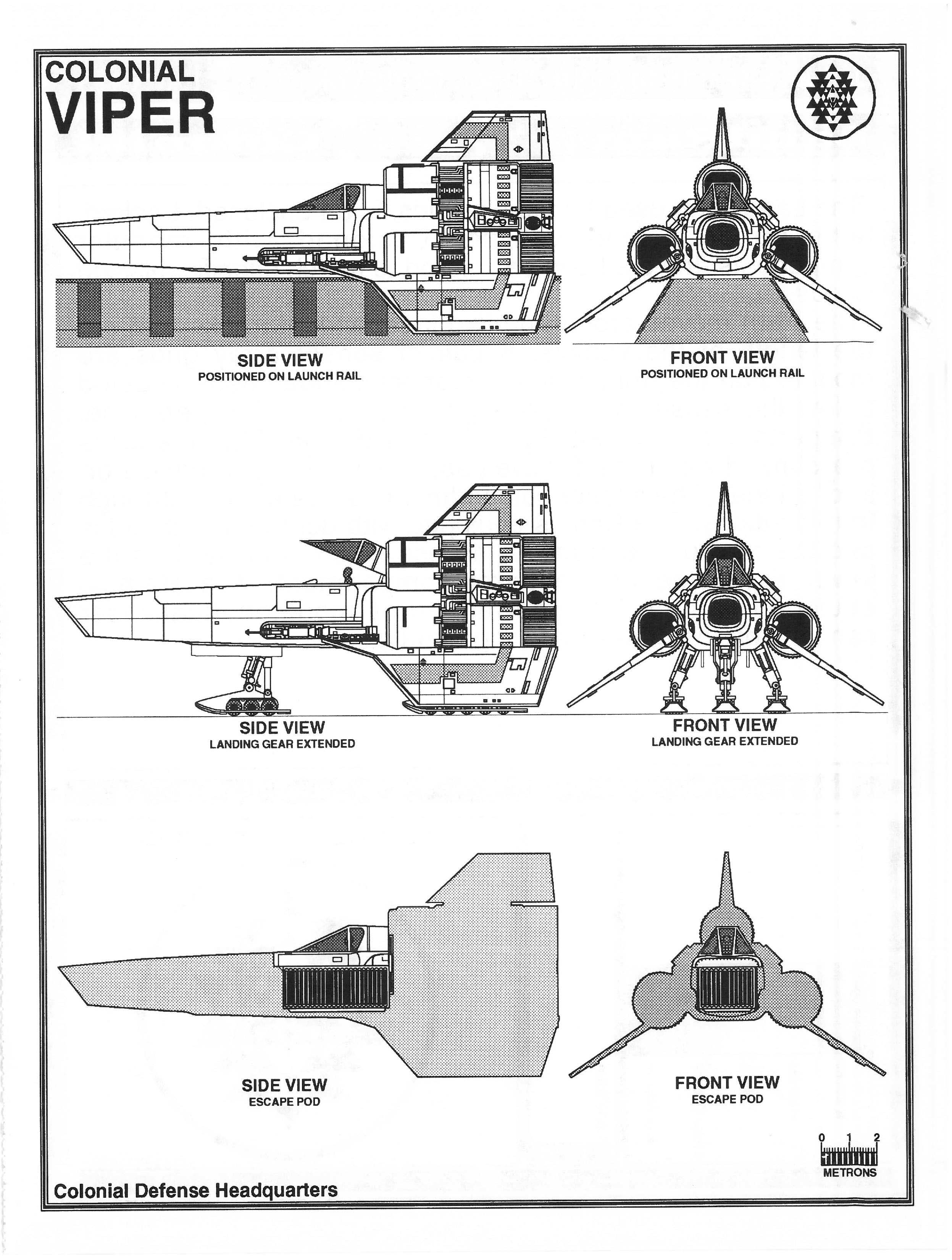
The physical statistics cover length, width, height and weight of each vehicle. The crew listing details the number and type of crew members that are needed to operate the craft at its top efficiency. The passenger listing shows the number of passengers the craft is designed to hold. Acceleration, maneuvering and braking stats are given in meters per second squared and sometimes in g's. One g refers to 9.8 meters per second square. Acceleration refers to the vehicles acceleration in space. This determines just how fast the craft accelerates in a straight line run which determines the crafts ability to catch or run from another craft. Atmospheric maneuverability may often be higher than the crafts space acceleration in that the pressure on the airfoils can dramatically affect the craft’s ability to turn. This is due to the fact that in space the craft must rely on its thrust to change direction where in an atmosphere the craft is able to use the aerodynamics of the craft to alter its course. The maneuver rating is the crafts ability to turn corners and to perform combat maneuvers, in essence the higher the number the better the craft may perform in a dogfight. Braking acceleration is listed on some craft in that they can dramatically reduce their forward momentum. Stardrive range which indicates the range that the craft can achieve is given in parsecs. Duration is given in hours at full output power that the craft is designed to run at. A cargo listing is given on some crafts that have provisions for carrying cargo. Armament, such as energy weapons, are rated in the number and wattage of each type weapon. Projectile weapons are rated in the number and the joules of each projectile. If a shield rating is given for the vehicle it is given in number of generators and the wattage they are able to deflect or absorb depending on what kind of shields are employed. Atmospheric velocities, maneuverability and aerobatics are given at 1 standard atmosphere of pressure, it should be noted that as the pressure increases or decreases the actual speeds and g’s will vary. The cruise velocity is listed as the fastest speed that the craft can cruise at without any noticeable decrease in vehicle performance. Maximum velocity is the fastest speed that the craft can obtain either through power limit due to atmospheric resistance or the loss of all stability. N.O.E. (Nap of the Earth) velocity is the fastest speed at which the craft can follow the terrain to decrease detection. The flight ceiling is listed as the maximum height that the craft can obtain, listed in meters. Computer is given to list the type of computer that the craft has standard on board.
Read on fellow traveller and I hope that the information that I have provided will be of help to you.
-Jackill
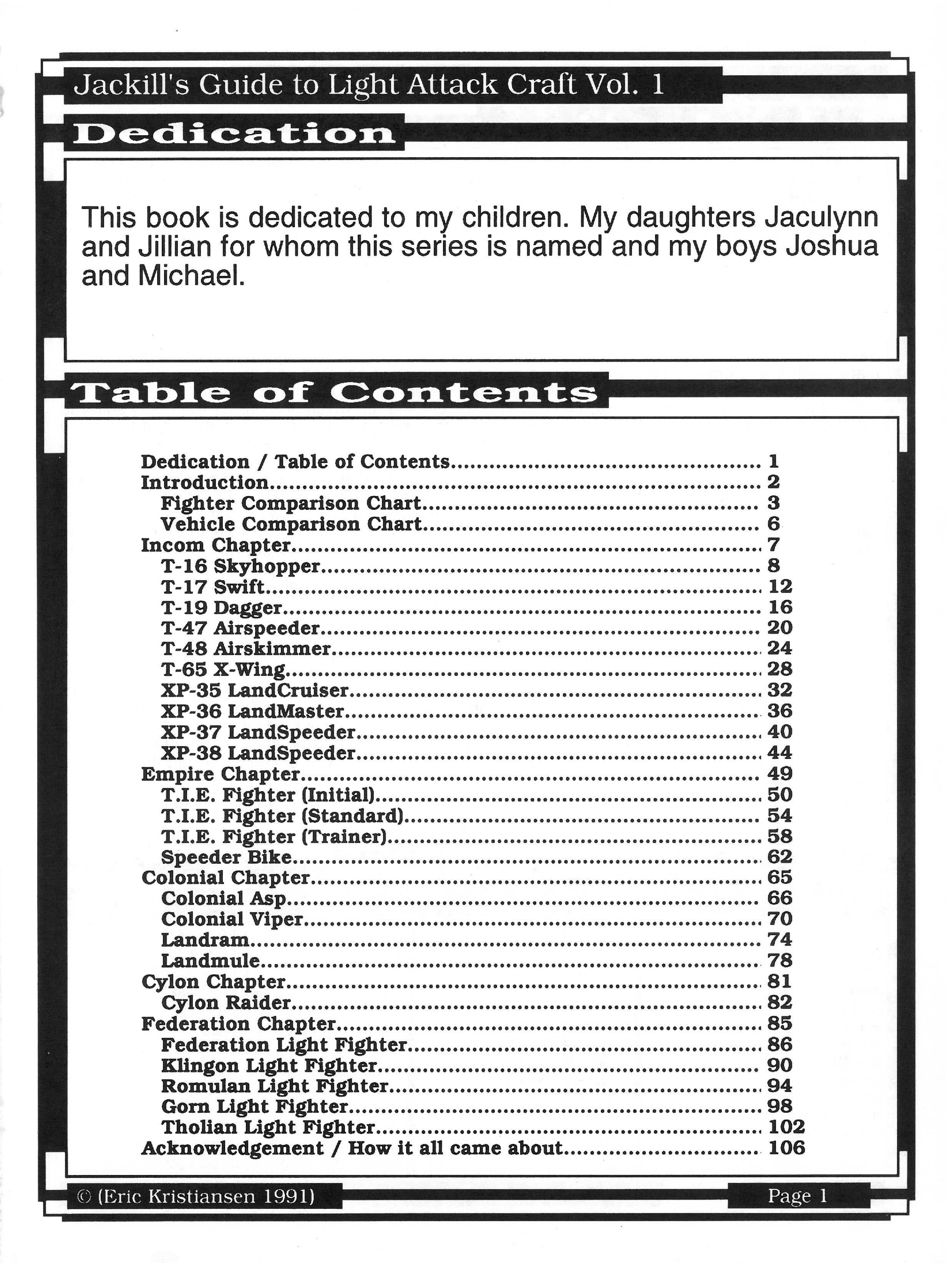
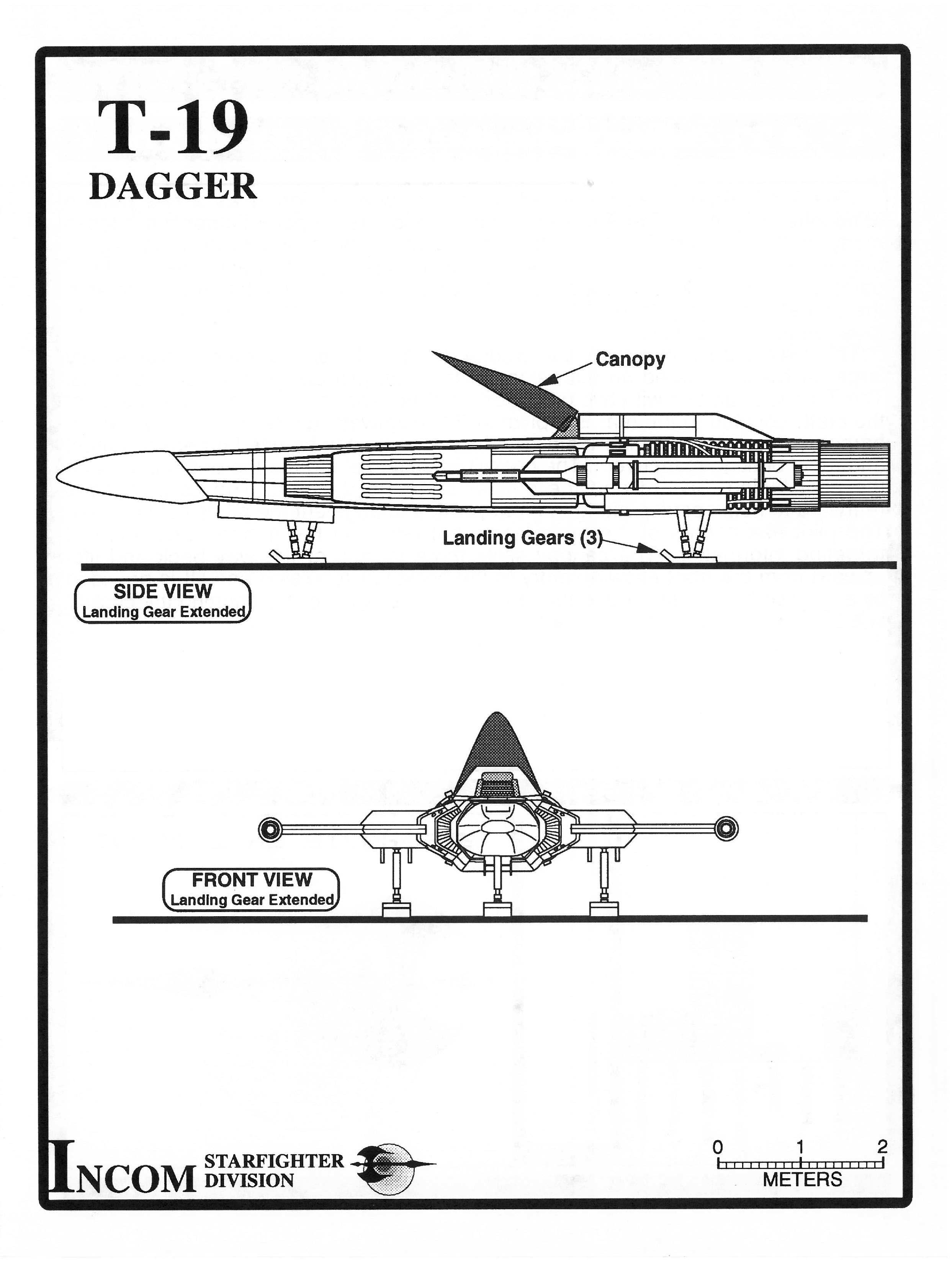
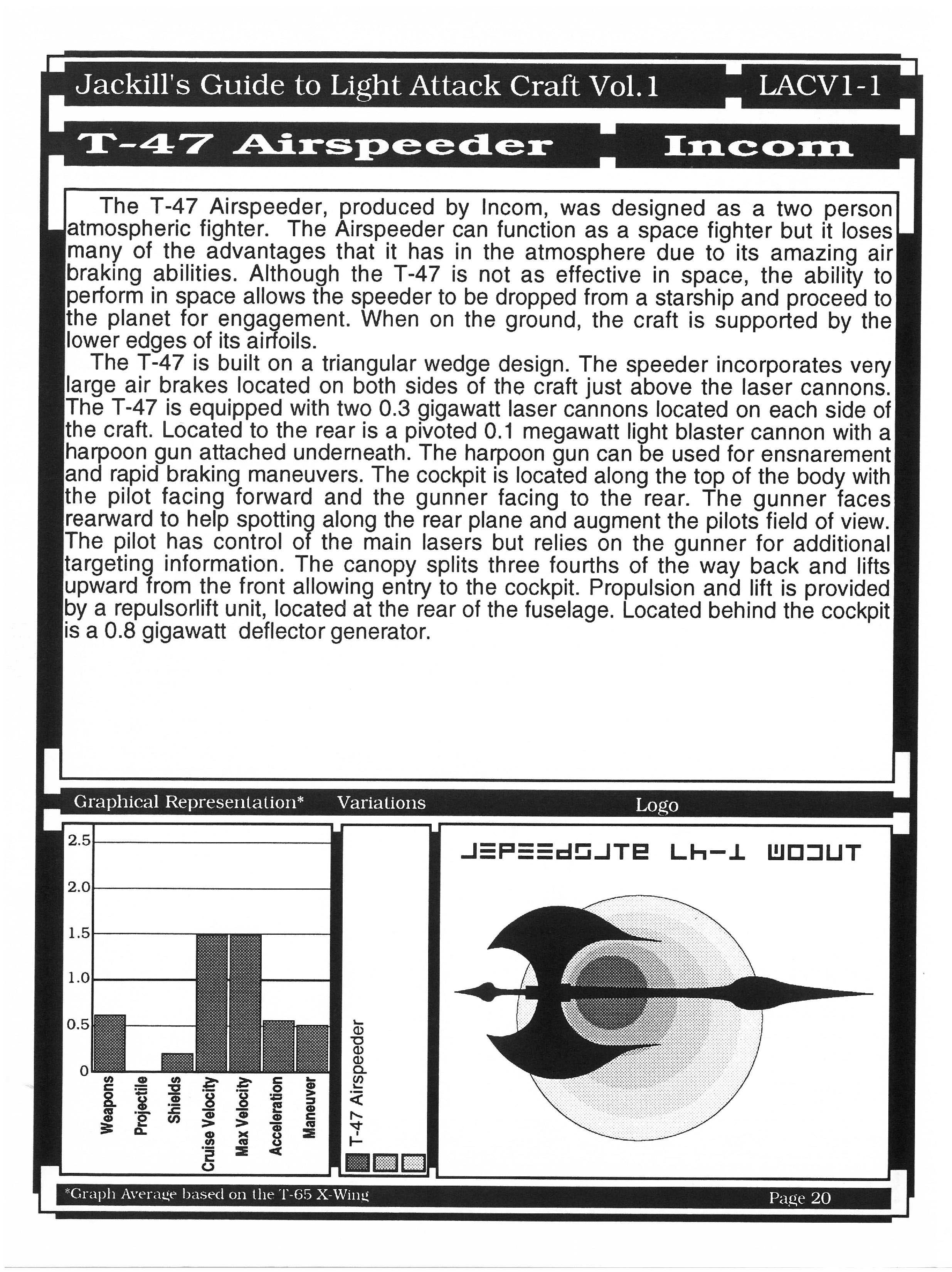
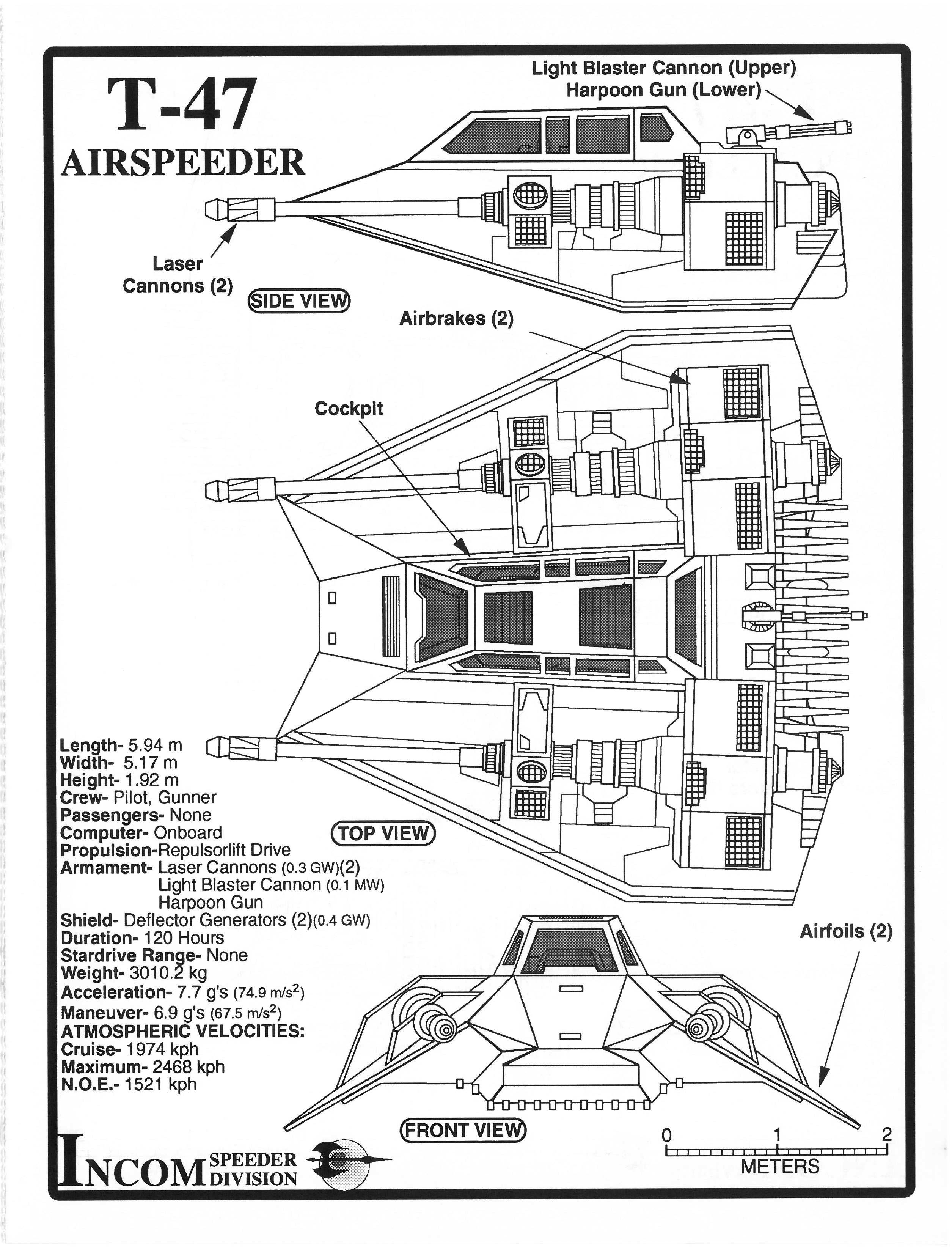
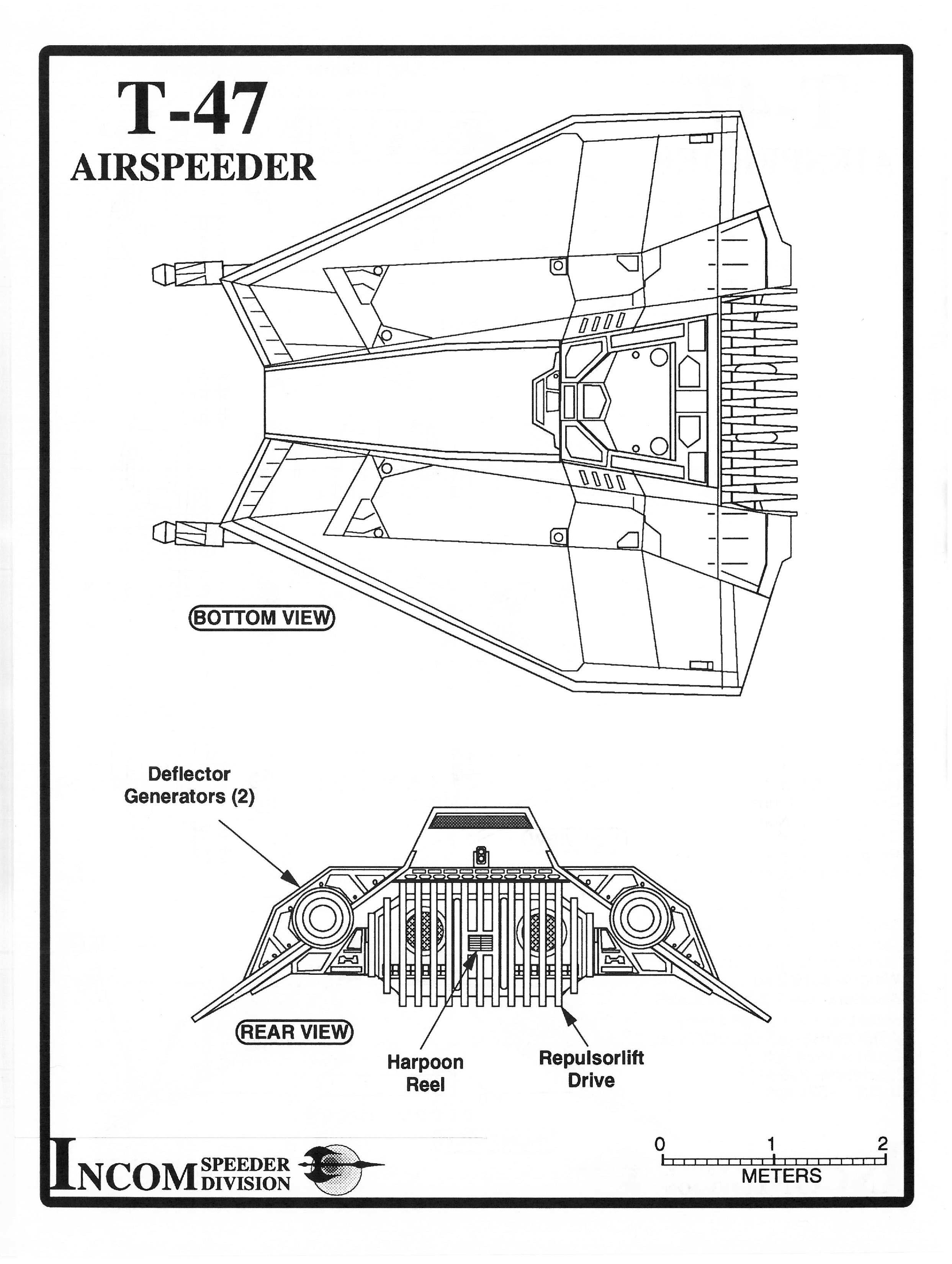
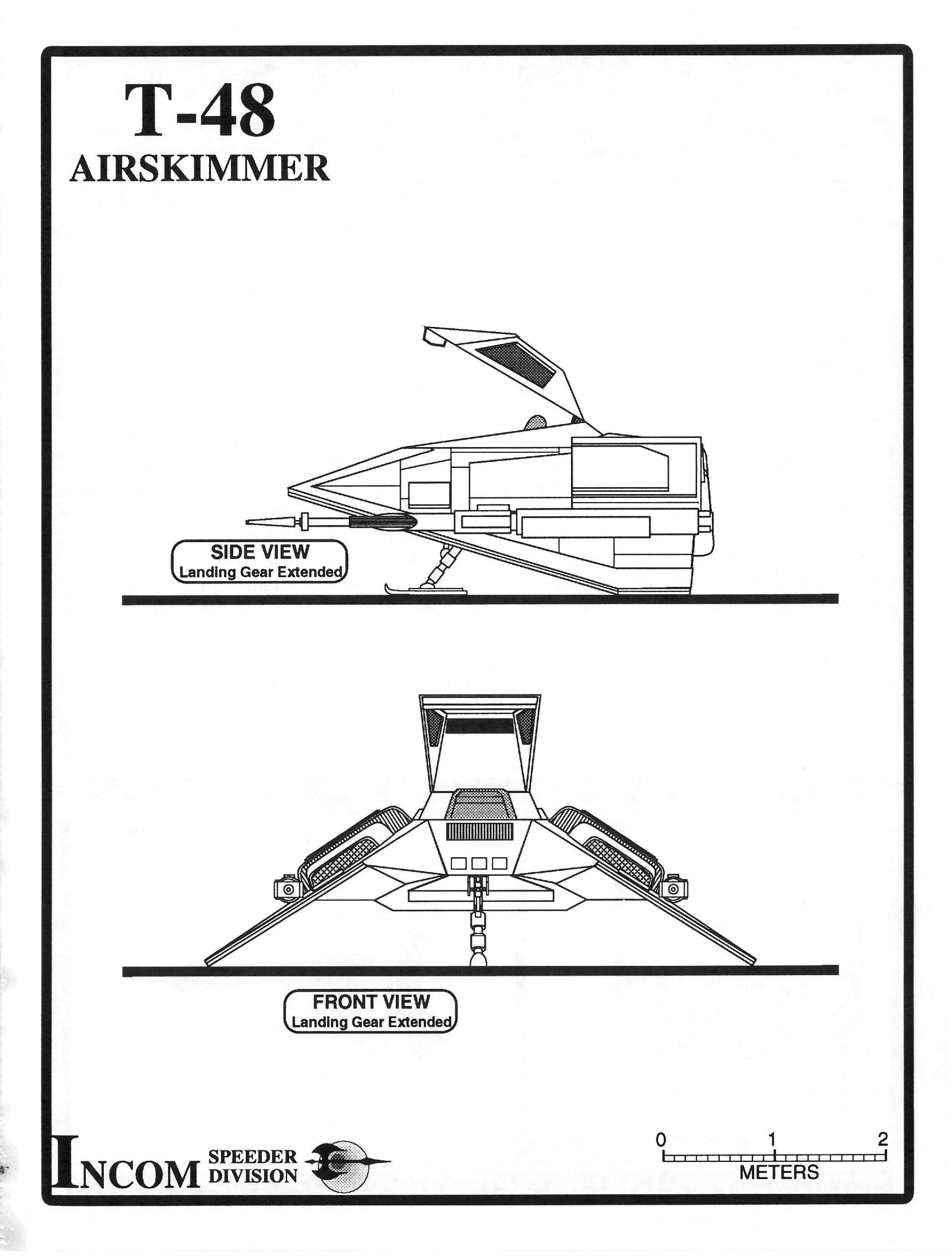
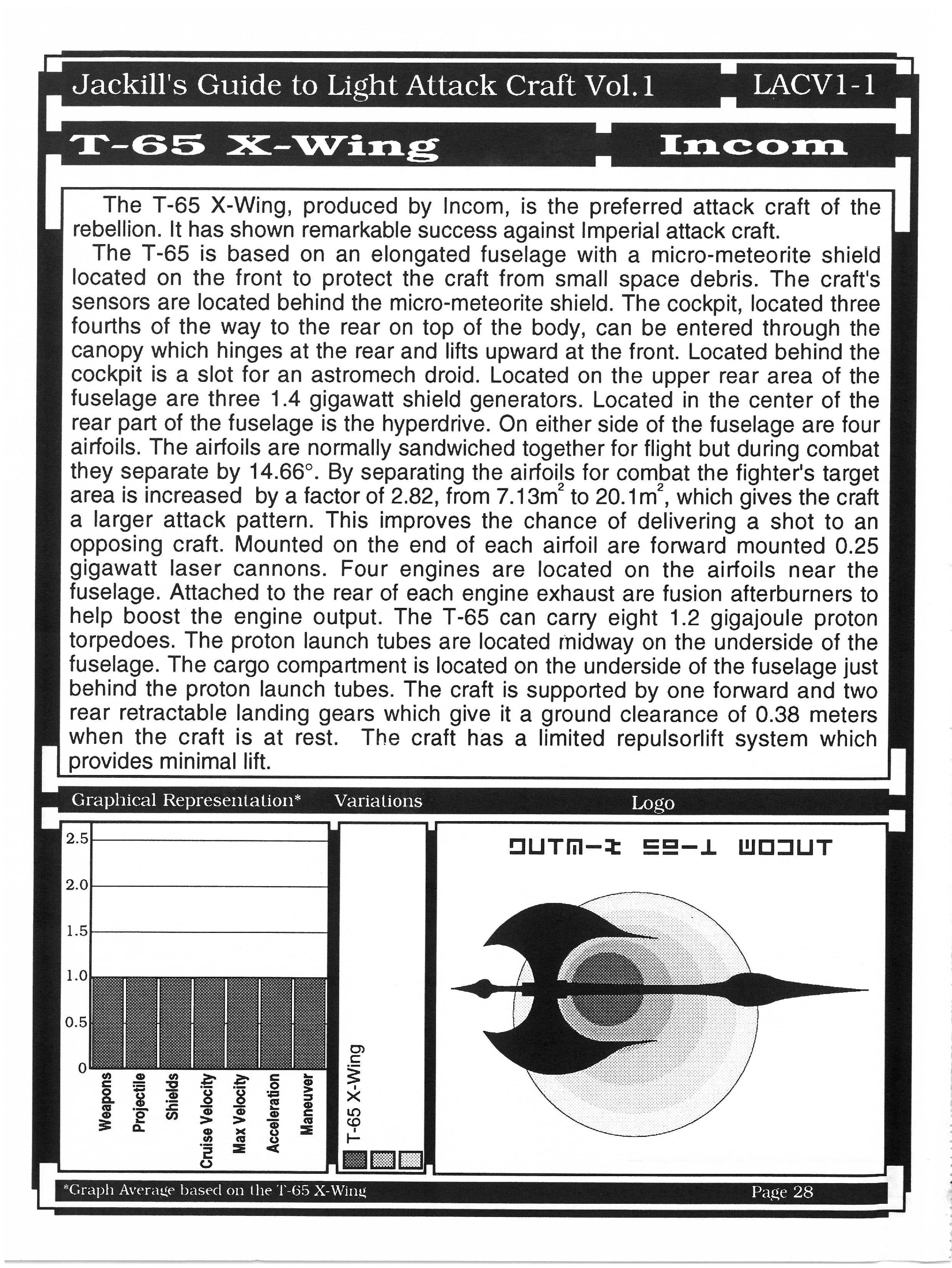
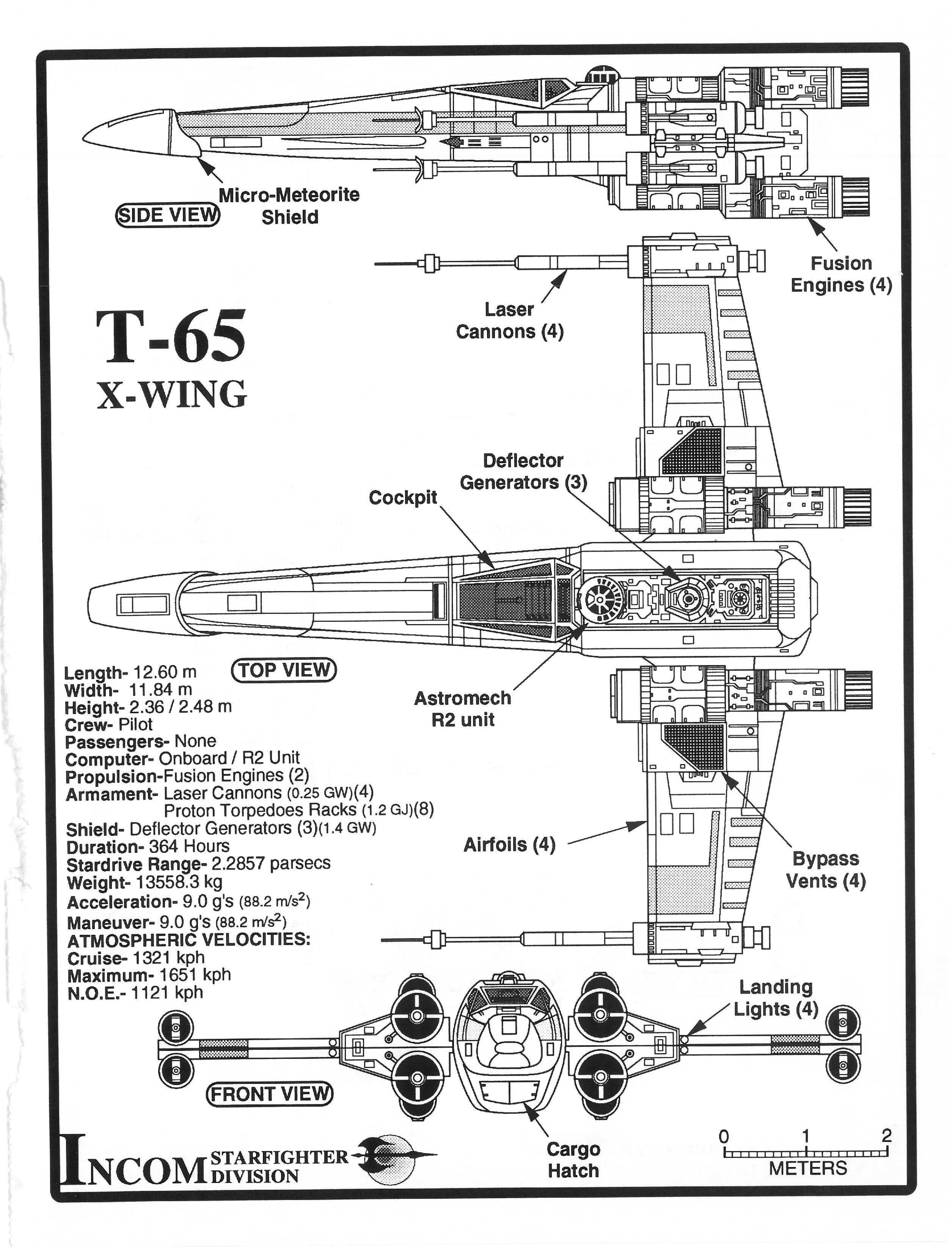
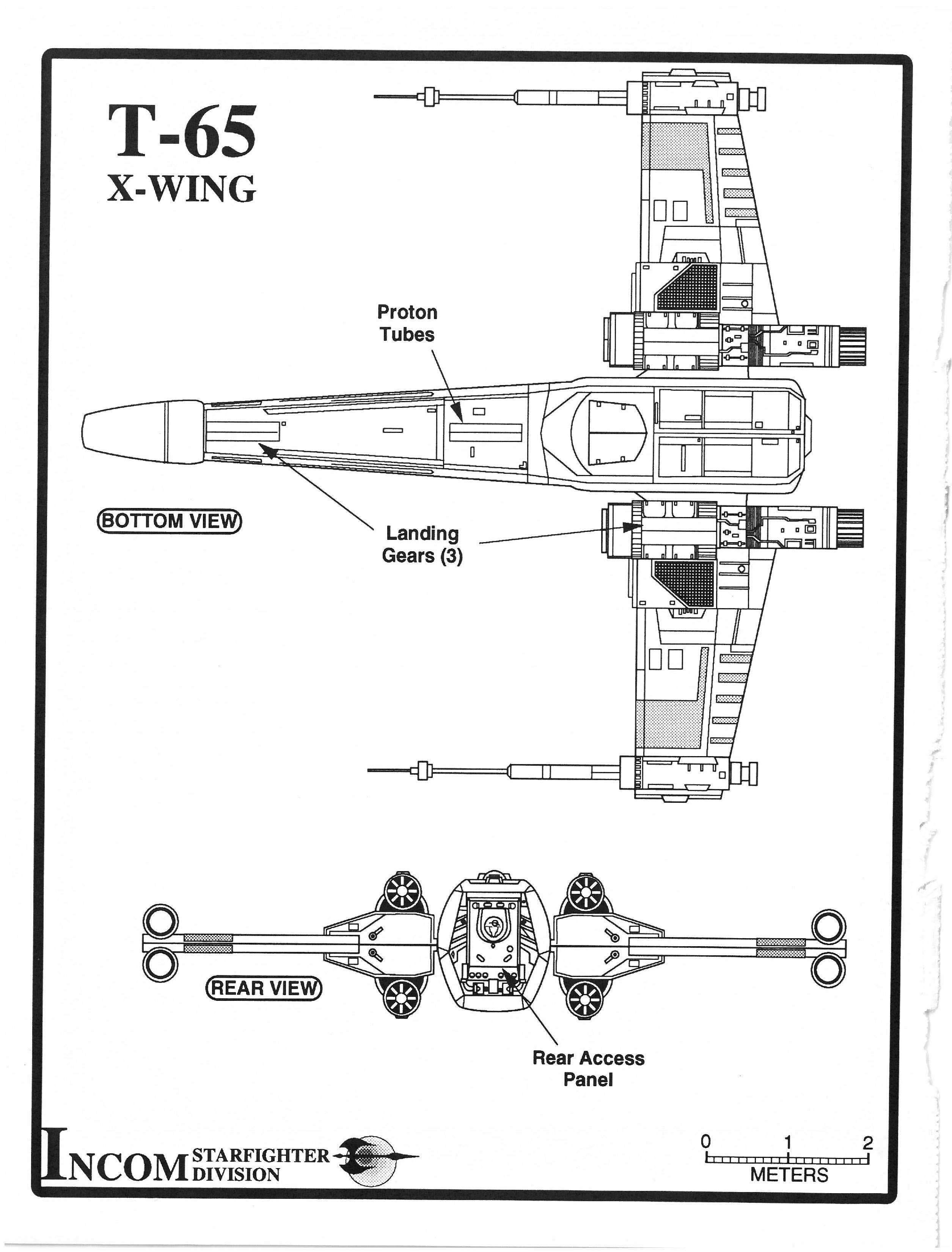

Download the PDF (20mb)
- View more Star Trek Blueprints and Schematics -